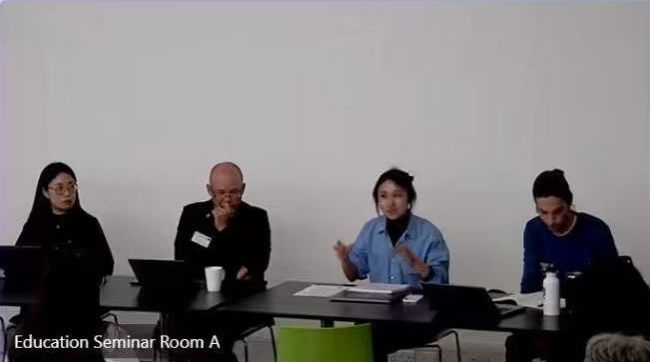
From 3–4 April 2025, Assistant Professor Yu Jingran of the institute travelled to Oxford to take part in the 2025 annual conference of the Centre for Global Higher Education (CGHE), one of the most influential research hubs in the field. CGHE investigates the inequalities generated by the globalization of higher education and cultivates an inclusive, worldwide network of scholars concerned with challenges common to most national systems. The tenth CGHE conference, titled “Global Fractures: Geopolitics, Policy Repair and the Re-shaping of Higher Education”, examined how geopolitical rivalry, regional conflict and elite competition are splintering global academia. Panels spotlighted the colonial legacy of Euro-centric academic evaluation, unequal research capacities, disputes over academic freedom and funding, and the ways universities might “repair” policy to address social injustice, the climate crisis and national innovation demands, thereby re-imagining the future of the sector.
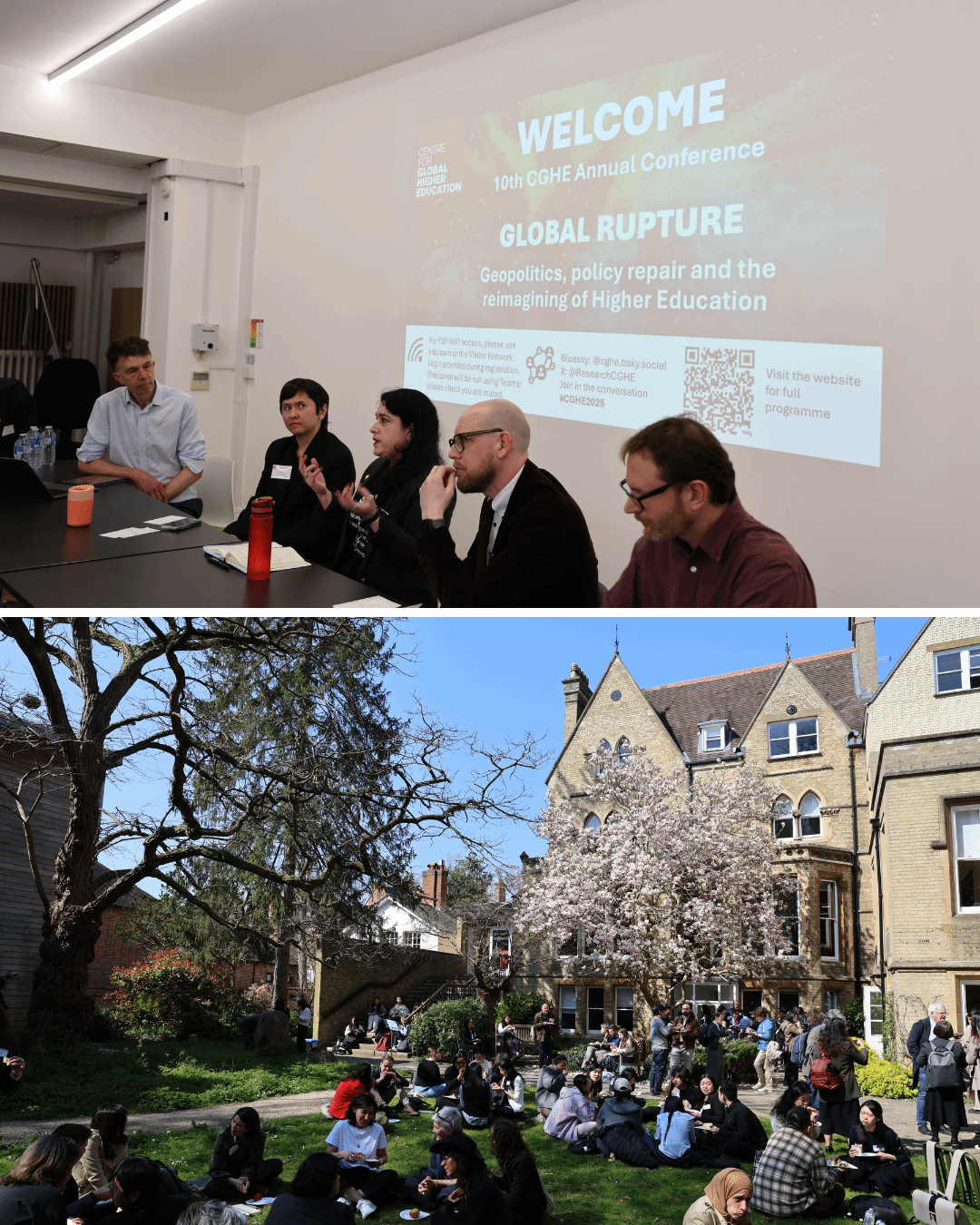
The conference was held in a hybrid format at the University of Oxford’s Department of Education. Centered on the annual theme, it featured in-depth discussions on how geopolitical shifts are reshaping research collaboration and student mobility. In the panel “Transnational education: critical perspectives under a ‘new geopolitics’ paradigm,” Assistant Professor Yu Jingran and Dr. Lee Rensimer (Deputy Director of CGHE) presented their co-authored paper, “Making and doing geopolitics: Transnational higher education as a geopolitical agent.”
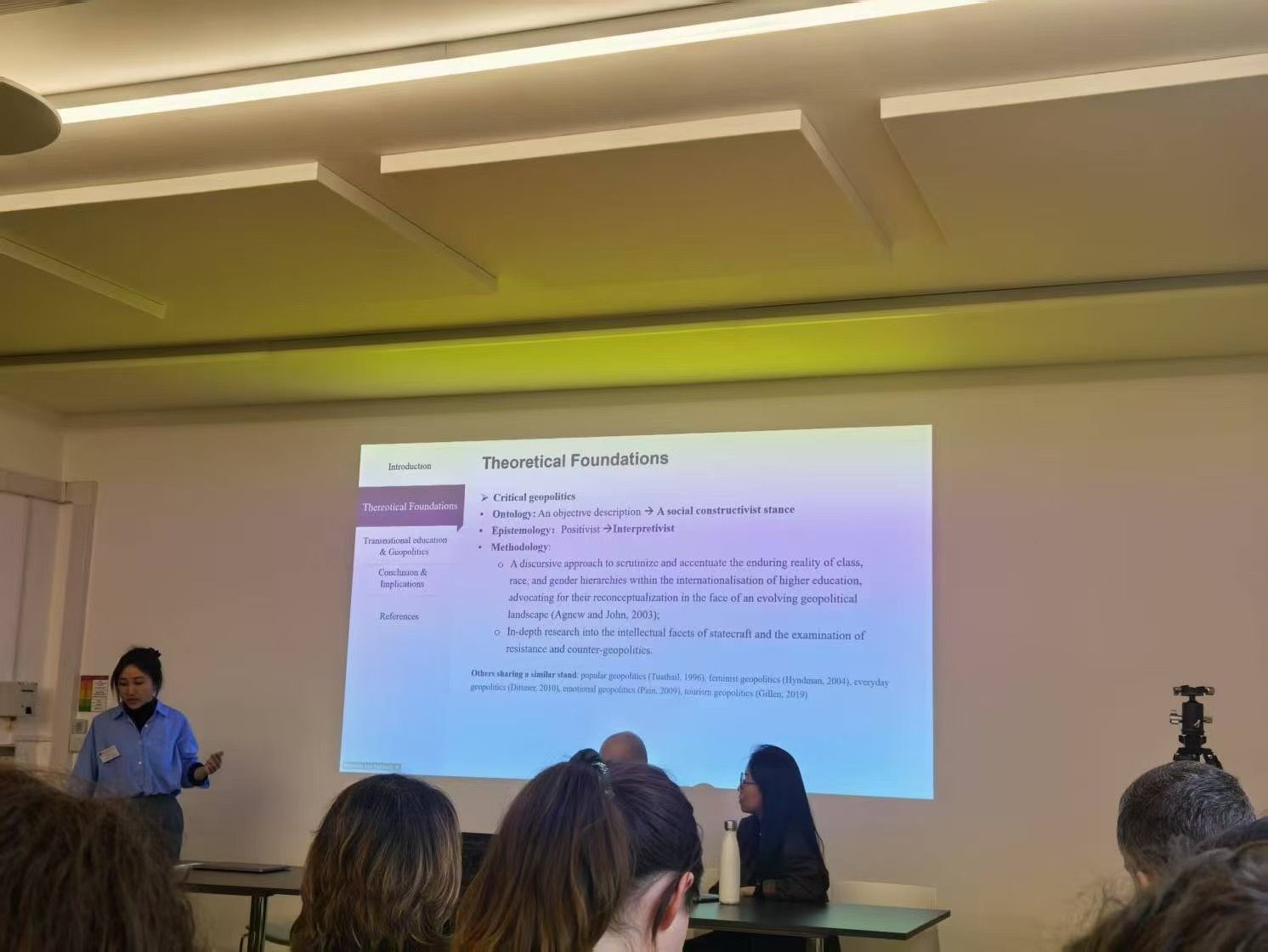
Departing from state-centric analyses, the talk brought a constructivist, critical-geopolitics lens to bear on cross-border higher education, treating universities, branch campuses, and mobile programs as actors that “do” geopolitics from the bottom up. By tracing how these actors manage flows of students and knowledge, negotiate international partnerships, and position themselves within global rankings and funding circuits, the study sketches a multi-scalar framework for understanding higher education’s newly prominent role in contemporary geopolitics. The presentation sparked lively questions and follow-on conversations, underscoring Xiamen University’s visibility in international higher-education research and opening fresh avenues for collaboration with global partners.