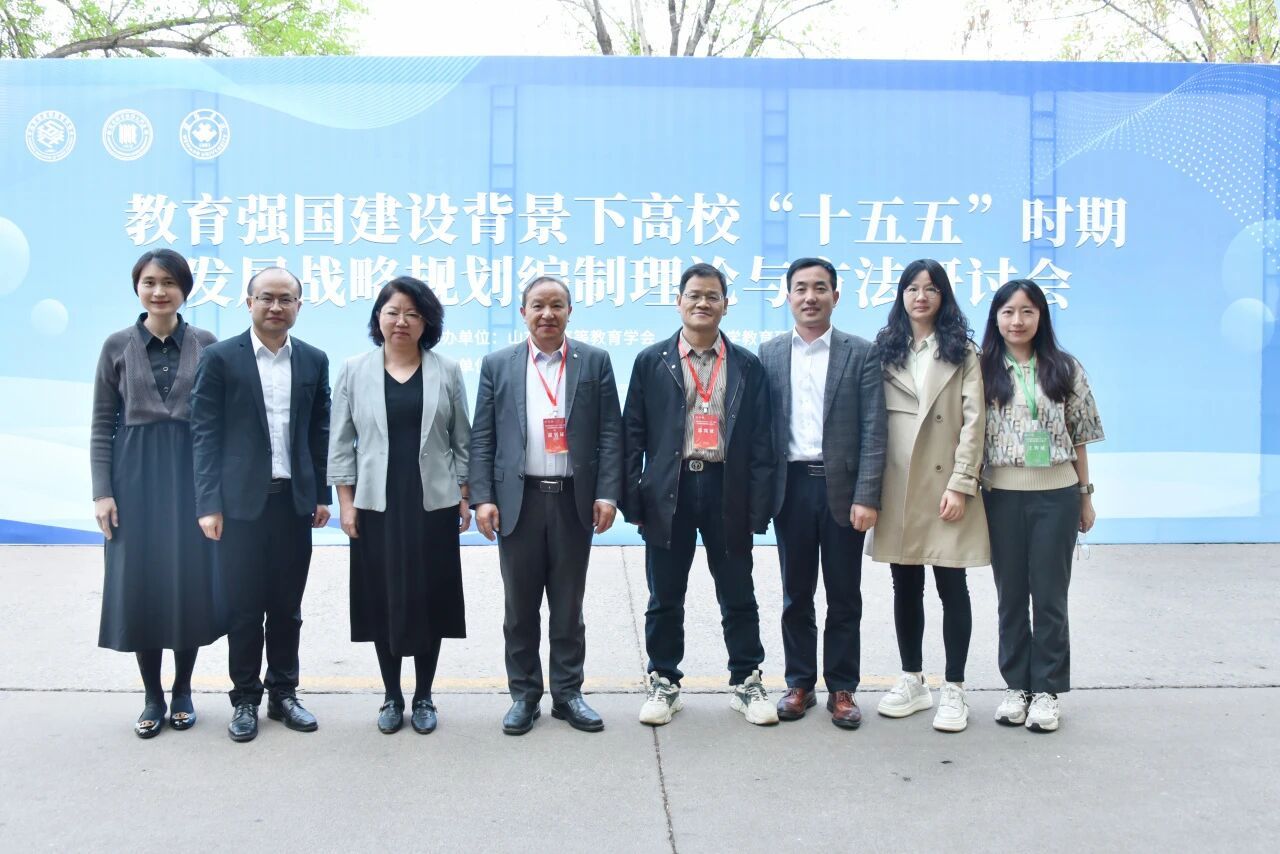
On 19 April 2025, the “Symposium on Theories and Methods for Formulating Universities’ 15th Five-Year Strategic Plans in the Context of Building a Leading Education Nation” was held at Weifang University. Jointly organized by our institute and the Shandong Higher Education Society and hosted by Weifang University, the event brought together more than 400 presidents, scholars, representatives from education authorities, and frontline planners from over 140 universities, research institutes, and education media across China. Professor Bie Dunrong, dean of our institute, attended together with Vice-Deans Professor Zhao Tingting and Professor Wang Shutao, Professor Wang Hongcai, Associate Professor Chen Bin, and other experts. The conference also drew more than 16,000 online participants, all united in mapping high-quality development pathways for universities under the national vision of building a leading education nation.
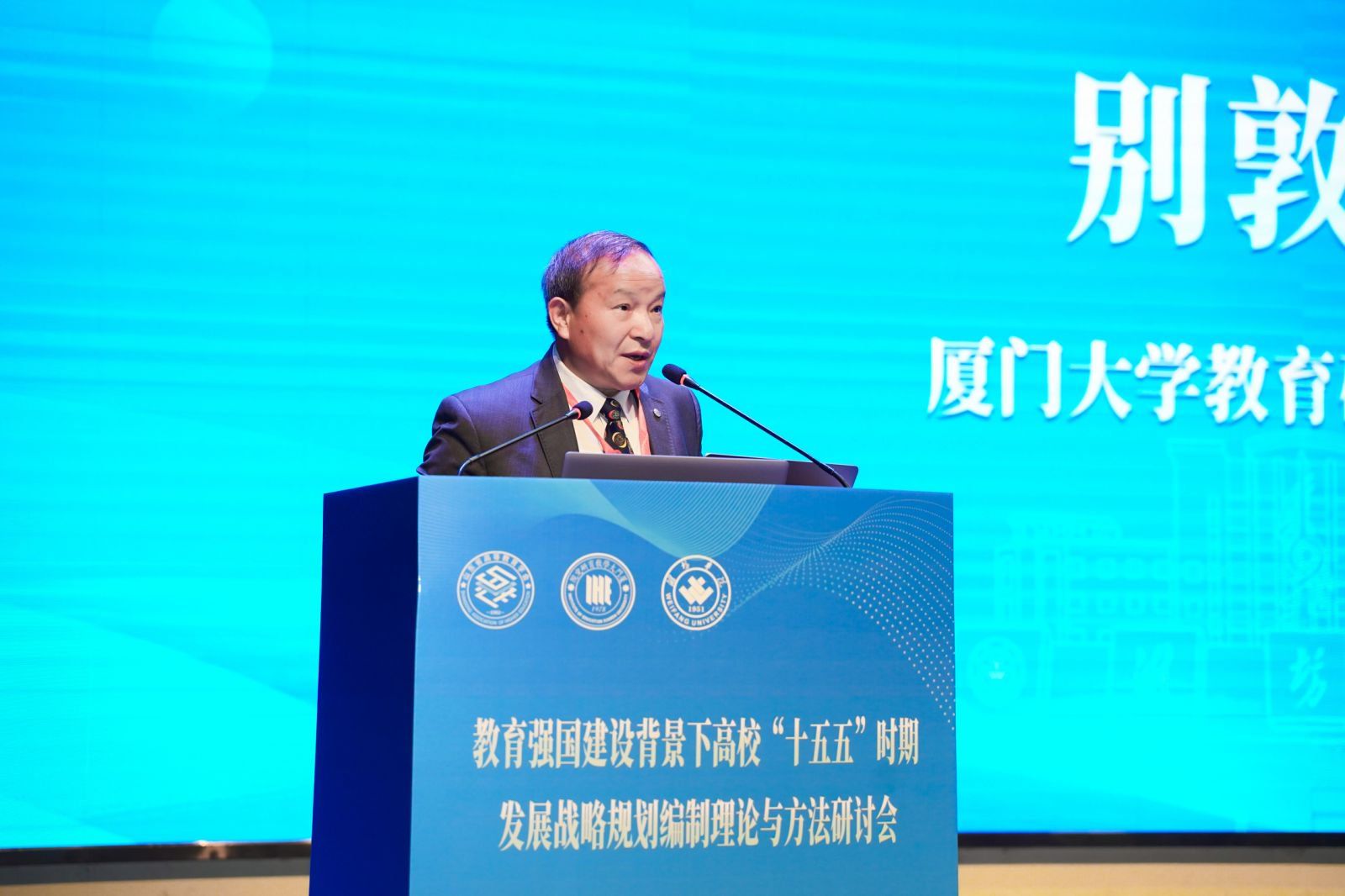
In his opening address, Dean Bie Dunrong noted that, in recent years, our institute has been guided by a commitment to serve the high-quality development of higher education nationwide, actively pioneering an “out-of-Xiamen, onto-the-national-stage” operating model and forging strategic partnerships with universities across the country. He praised Shandong’s long-standing tradition of attaching great importance to strategic planning, pointing out that a number of Shandong universities were among the first in China to commission external experts to draft development strategies or provide advisory services—initiatives that proved pivotal to the province’s leapfrog progress in higher education and that set an exemplary precedent for universities nationwide to institutionalize strategic planning and implementation. Convening this symposium in Shandong at the critical juncture between the closing of the 14th Five-Year Plan and the mapping of the 15th is therefore of extraordinary significance. Confronted with a new international landscape and China’s own higher-education cycles, universities must seize the once-in-a-decade opportunity to build an education powerhouse, meet the challenges of uncertainty with wisdom, and give full play to the guiding role of strategic planning so as to stay on a steady, high-quality trajectory. Formulating such plans, he stressed, must integrate theory with practice, articulate a scientifically grounded vision and goals, and adhere to a path of diversified and differentiated development. Professor Zhao Tingting and Associate Professor Chen Bin moderated the keynote-session and case-sharing forums, respectively.
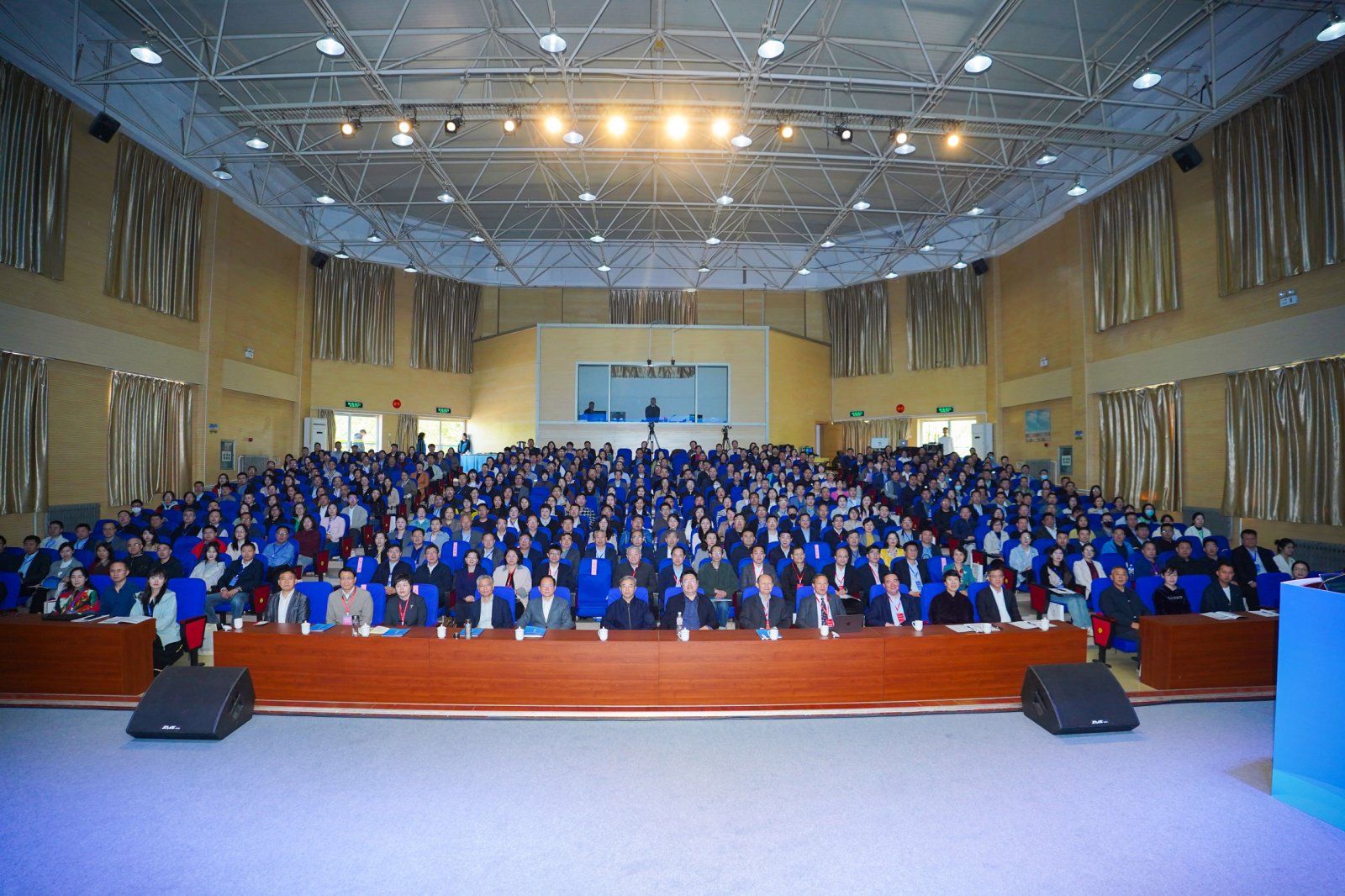
Centered on national strategic needs, the symposium combined academic foresight with practical applicability. Through in-depth exchanges on cutting-edge theories and methods of university planning, it furnished both a robust theoretical framework and a replicable paradigm for crafting development strategies that will propel institutions toward sustained, high-quality growth. Participants unanimously agreed that the outcomes of the meeting will inject new momentum into China’s drive for higher-education excellence and the building of an education powerhouse.