From January 22 to 25, 2026, a delegation led by Professor Bie Dunrong, Dean of the Institute of Education, Xiamen University, visited Hong Kong at the invitation of Professor Bruce Macfarlane, Dean of the Faculty of Education and Human Development at The Education University of Hong Kong (EdUHK). The delegation also included Professor Wang Shutao, Associate Dean; Professor Wu Wei, Deputy Director of the Center for Higher Education Development; and Assistant Professors Yi Mengchun and Sun Xiujuan.
During the visit, the delegation engaged in a series of academic exchange and cooperation activities, including institutional visits to the UNESCO Hong Kong Association and the Hong Kong Institute of Education for Sustainable Development, the organization of a talent recruitment briefing for young scholars based in Hong Kong, discussions with leading international scholars on the development of an international academic journal, and in-depth exchanges with partner institutions. The visit achieved significant outcomes and further strengthened academic collaboration and partnership development between the Institute of Education, Xiamen University, and its international counterparts.
Joint discussions with EdUHK on cooperation and co-hosting an academic symposium
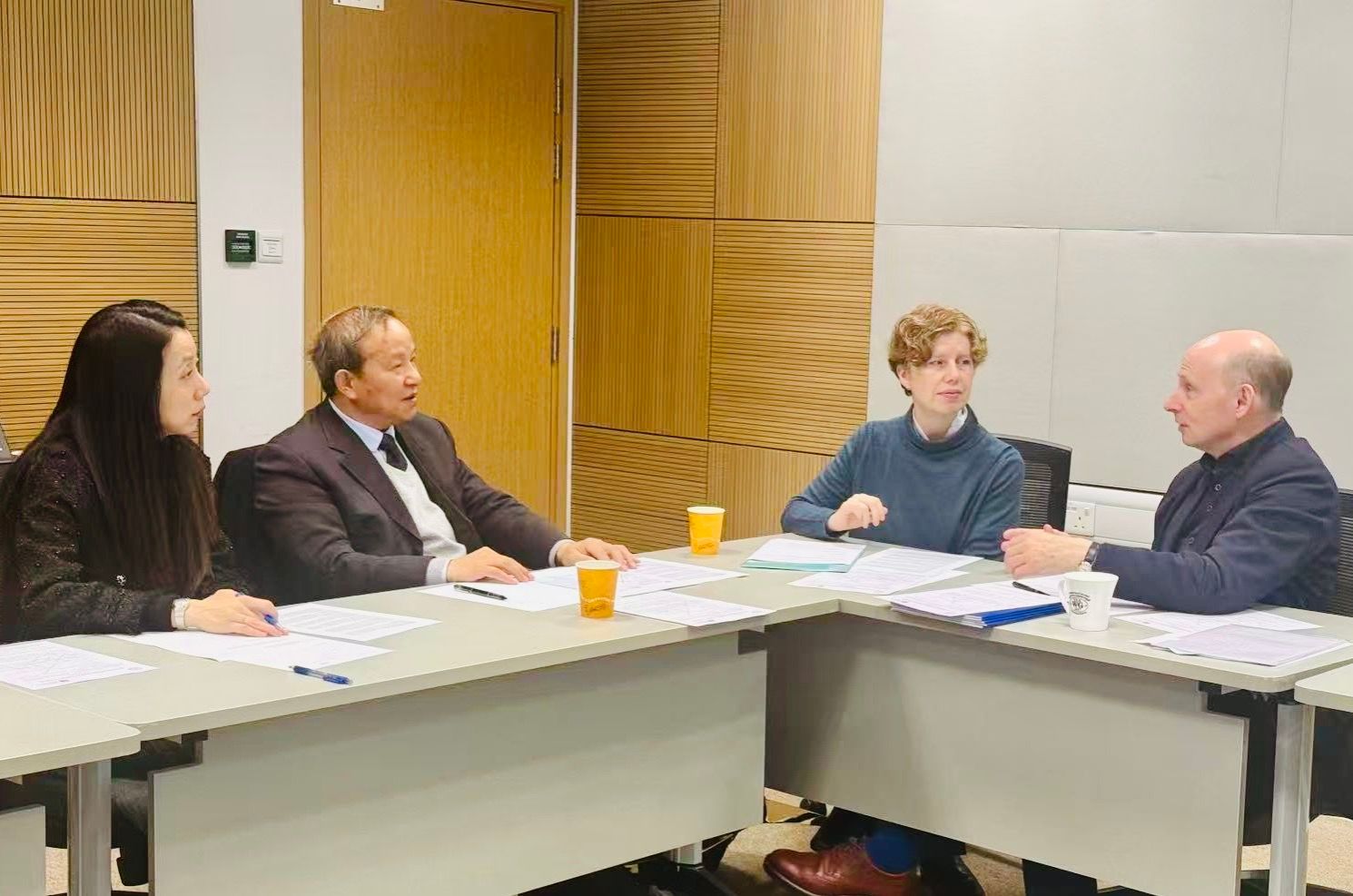
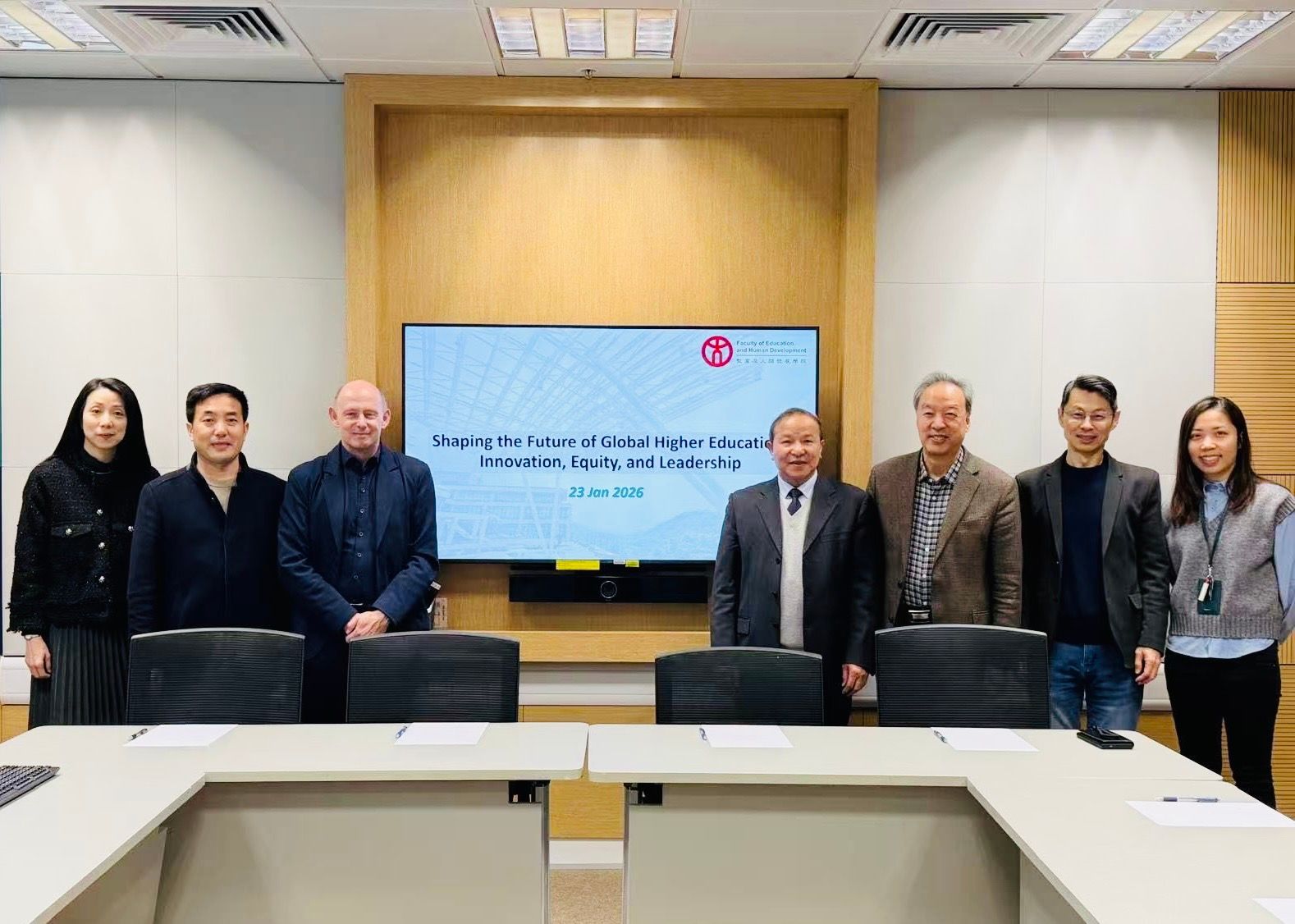
On January 23, Professor Bie Dunrong and Professor Wu Wei met with Professor Bruce Macfarlane and Dr. Emma Buchtel, Associate Dean of the Faculty of Education and Human Development at EdUHK, to discuss institutional cooperation. The two sides held open and in-depth discussions on the specific terms and implementation details of the proposed cooperation agreement, laying the groundwork for its formal signing.
The two institutes jointly hosted an academic symposium titled “Shaping the Future of Global Higher Education: Innovation, Equity, and Leadership.” Faculty members and students from both sides engaged in in-depth discussions on key topics such as global higher education reform, supervisory relationships in doctoral education, and the international mobility of early-career researchers, exploring emerging trends and pathways for higher education development in an increasingly complex global context.
The symposium opened with welcome remarks by Professor Bruce Macfarlane, Dean of the Faculty of Human and Development at The Education University of Hong Kong, and Professor Bie Dunrong, Dean of the Institute of Education at Xiamen University. Both speakers emphasized that, amid profound transformations in the global education landscape, sustained dialogue and collaboration between the two institutions are essential for advancing high-quality development in higher education and improving systems of talent cultivation and academic governance.
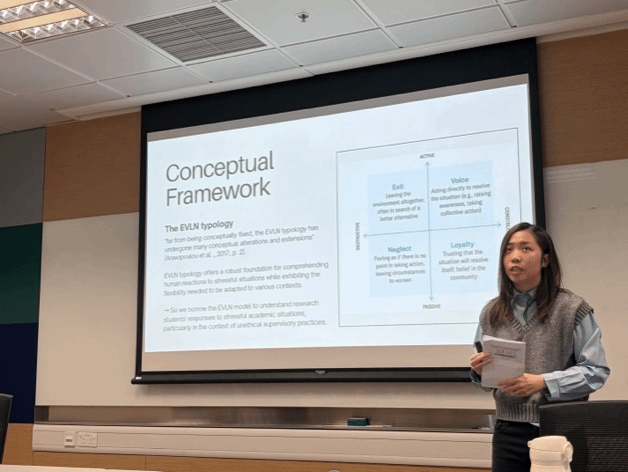
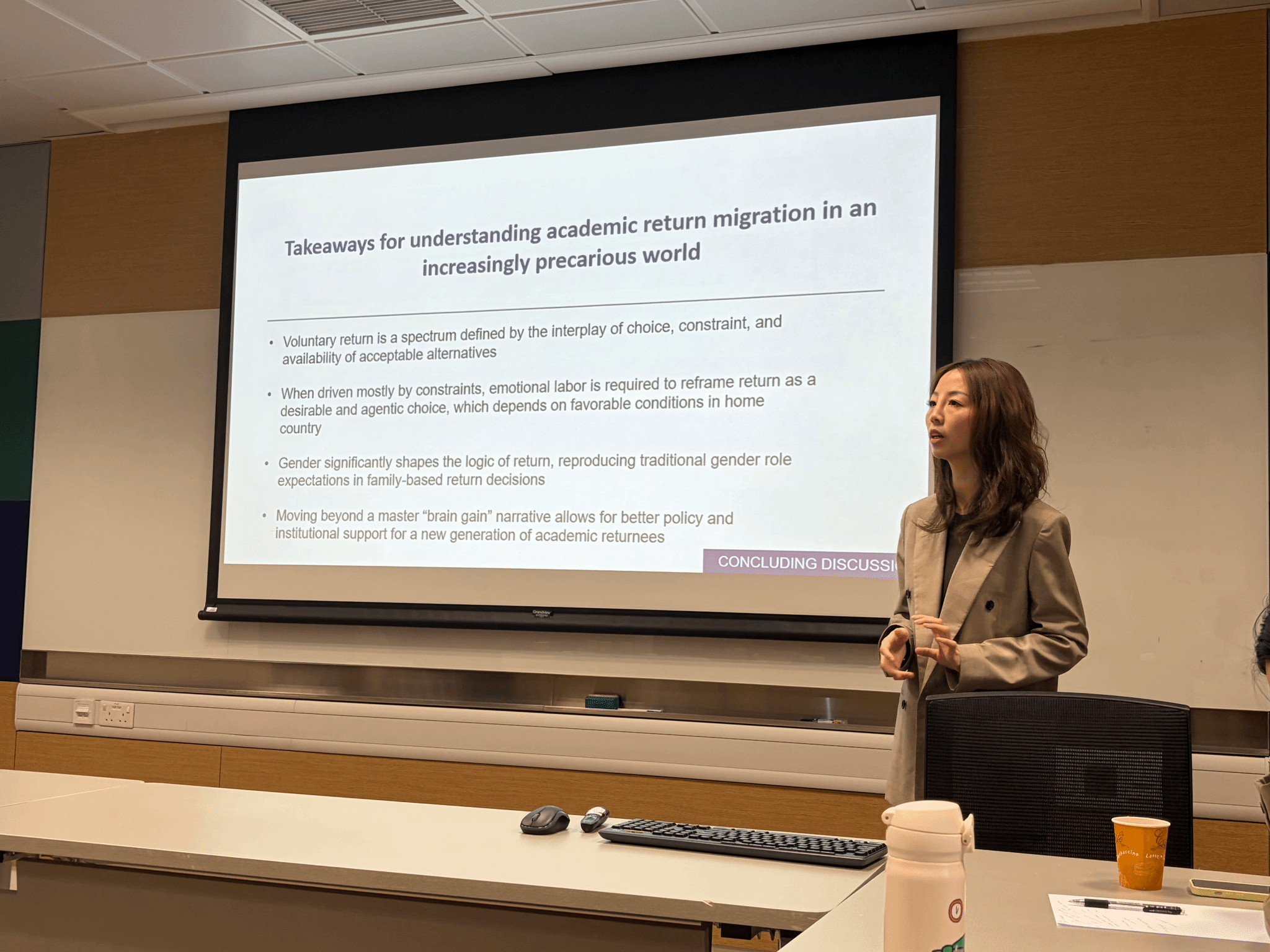
In the academic presentation session, Dr Michelle W. T. Cheng, assistant professor at The Education University of Hong Kong, delivered a presentation entitled “Examining students’ behavioral responses to unethical academic supervision” The study conceptualized unethical supervisory practices as a multidimensional phenomenon and adopted the EVLN (Exit–Voice–Loyalty–Neglect) framework to analyze doctoral students’ responses along the axes of active versus passive and constructive versus destructive behaviors. Drawing on a comparative analysis of doctoral supervision experiences in Hong Kong and Shanghai, the presentation offered important insights into supervisory power dynamics across different institutional contexts and provided valuable theoretical and empirical implications for improving supervisory governance in universities. This was followed by a presentation by Dr Sun Xiujuan, assistant professor at the Institute of Education, Xiamen University, entitled “Unpacking the driving forces and dynamics of return migration among Chinese early-career STEM researchers.” The presentation highlighted that, against the backdrop of a “North-to-South” shift in global talent flows, external forces such as geopolitical tensions, changes in immigration policies in developed economies, and the impacts of the COVID-19 pandemic are interacting with domestic pull factors, including improvements in China’s research infrastructure, talent policies, and the distinctive family dynamics of the one-child generation in reshaping the mobility patterns of Chinese overseas scientific talents. The study underscored that academic return migration should not be understood simply in terms of “brain drain” or “brain gain,” but rather as a continuum shaped by the interplay between transnational structural conditions and diverse individual aspirations, offering a fresh theoretical lens for understanding the complexity of academic mobility in the contemporary era.
Each presentation was followed by lively discussion among participating scholars. The successful convening of the symposium not only strengthened academic exchange between the two institutions in cutting-edge areas of higher education research, but also laid a strong foundation for future cross-border and interdisciplinary collaboration.
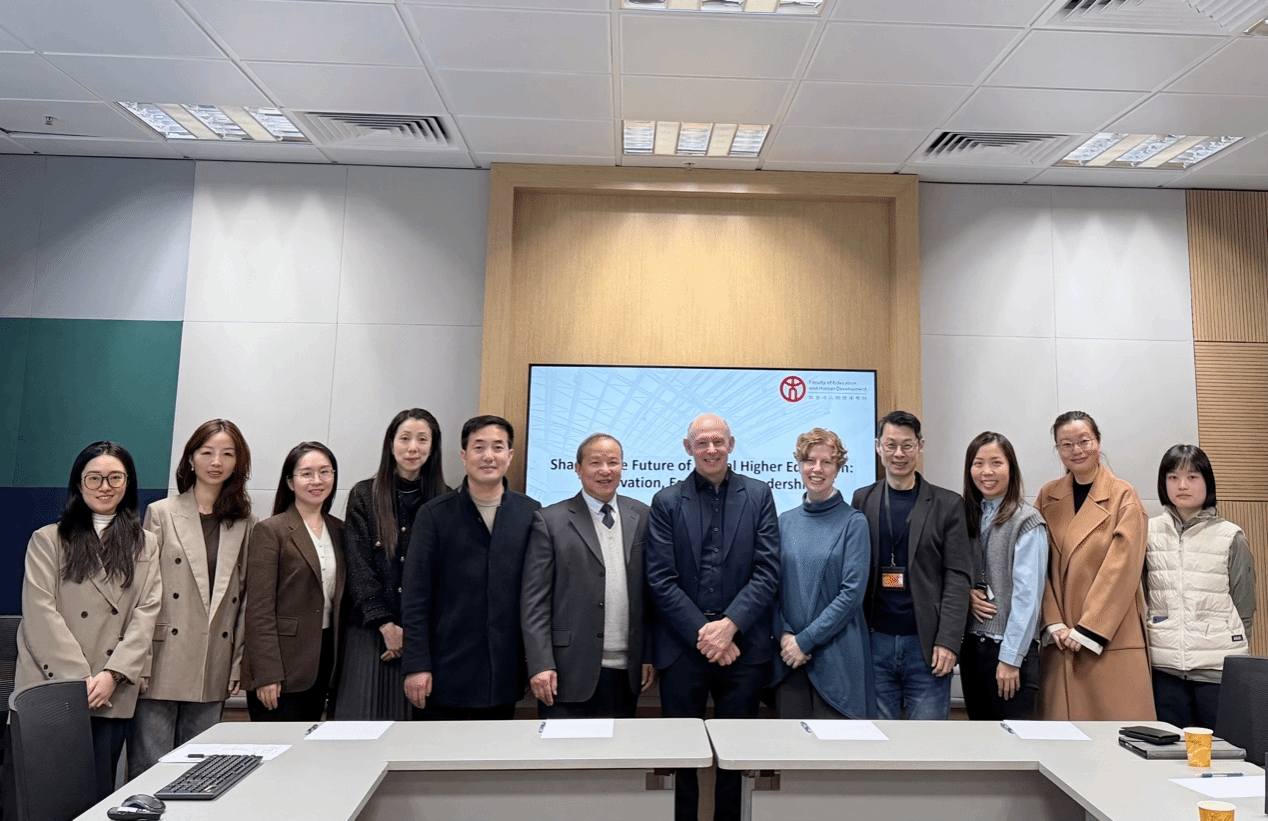
The symposium was also joined by Professor Liu Baocun, Chair of the Comparative Education Subcommittee of the Chinese Society of Education and Dean of the Institute of International and Comparative Education at Beijing Normal University. The delegation engaged in in-depth and substantive discussions with Professor Liu on frontier issues in comparative education research, international academic exchange, and the development of the discipline. These exchanges further strengthened the Institute’s academic ties with the comparative education community and opened up new opportunities for future research and collaboration.
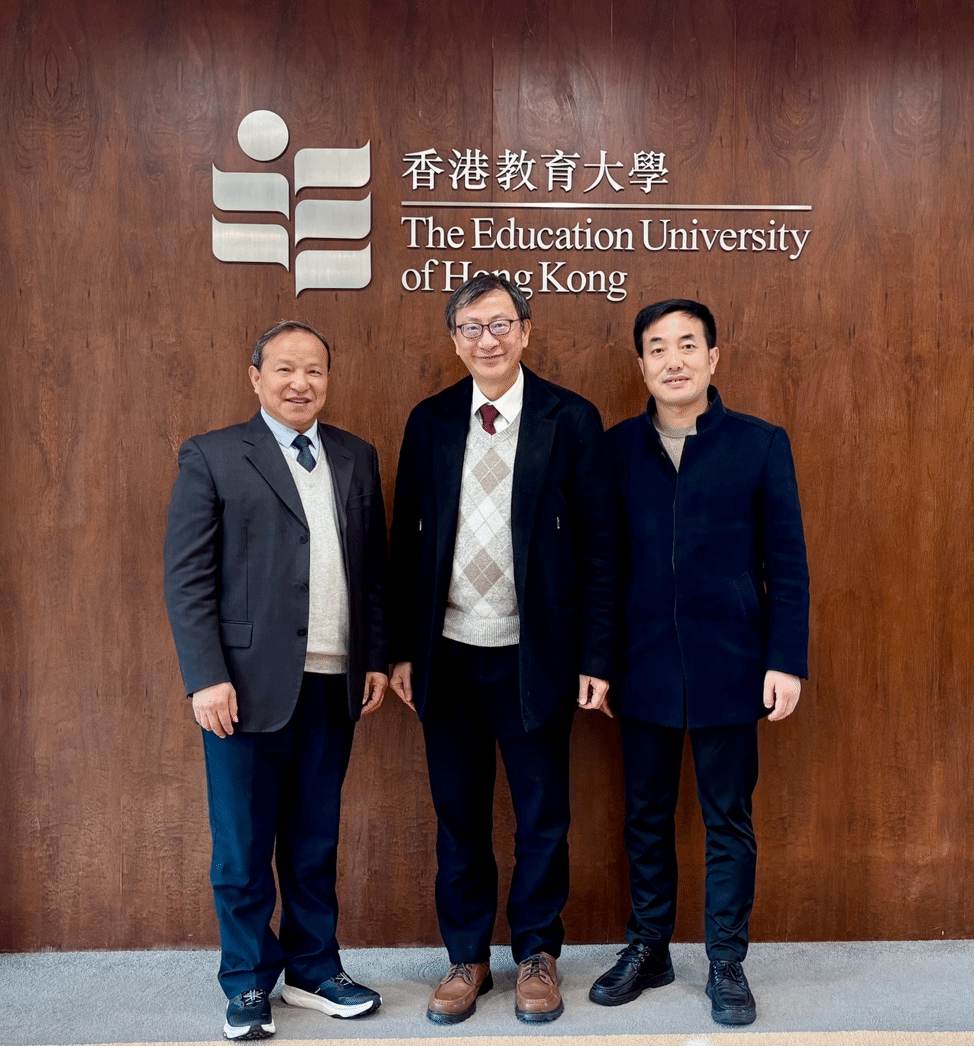
Dean Bie Dunrong and delegation visit Professor John Lee Chi-Kin, President of EdUHK
During their stay in Hong Kong, Professor Bie Dunrong and Professor Wang Shutao paid a courtesy visit to Professor John Lee Chi-Kin, President of The Education University of Hong Kong, and were warmly received by President Lee. President Lee, a leading scholar in curriculum and instruction, teacher development, and school governance, has had broad academic influence and was named among the top 1% most-cited scientists in the world in terms of career-long impact, in the latest list released by Stanford University. During the meeting, the two sides exchanged views on educational research, discipline development, and university governance, and reached a consensus on further promoting high-level academic exchange and collaboration.
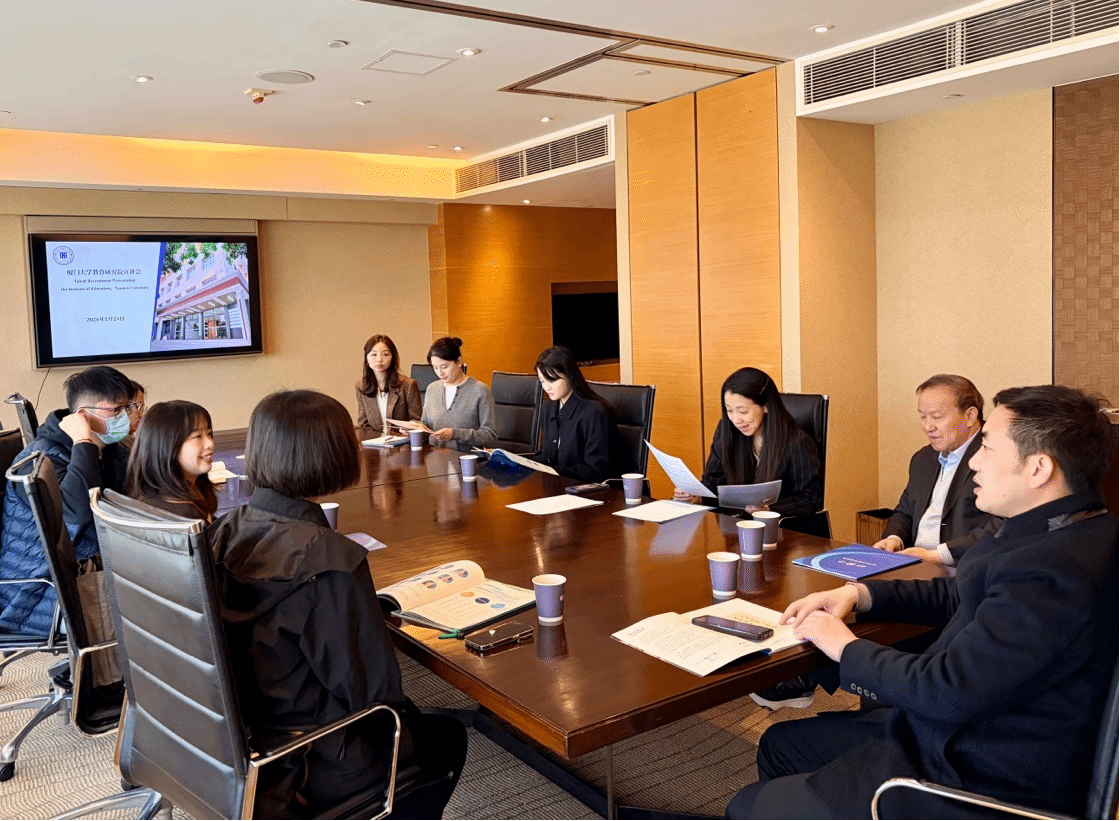
Institute of Education holds its first talent recruitment briefing of 2026 in Hong Kong
On the morning of 24 January, the Institute of Education held its first talent recruitment briefing of 2026 at the Hyatt Regency Hong Kong, Sha Tin. The briefing was targeted at outstanding doctoral students and postdoctoral researchers based at universities in Hong Kong, and attracted a number of early-career scholars from the University of Hong Kong, The Chinese University of Hong Kong, and The Education University of Hong Kong.
The session was chaired by Professor Wang Shutao, Associate Dean of the Institute of Education. Professor Wang provided a comprehensive overview of the Institute’s history, disciplinary strengths, faculty recruitment needs, and future development plans, with particular emphasis on Xiamen University’s talent recruitment policies, position structures, and associated support packages. Professor Bie Dunrong subsequently offered a detailed explanation of Xiamen University and the Institute’s appointment and evaluation mechanisms, addressing key concerns raised by doctoral and postdoctoral participants regarding academic career development and performance assessment. Professor Wu Wei further elaborated on the institutional arrangements supporting early-career faculty development and career pathways.
Further, newly appointed assistant professors Dr Sun Xiujuan and Dr Yi Mengchun reflected on their own transition into the Institute, sharing first-hand experiences related to the academic environment, research platforms, and living support at Xiamen University. The recruitment information session significantly deepened Hong Kong-based early-career scholars’ understanding of Xiamen University’s education disciplines and faculty appointment policies, while also opening up important channels for the Institute to attract and retain high-caliber talents and thereby contributing to the advancement of a high-quality academic faculty.
Dean Bie Dunrong and delegation visit the Hong Kong Institute of Education for Sustainable Development
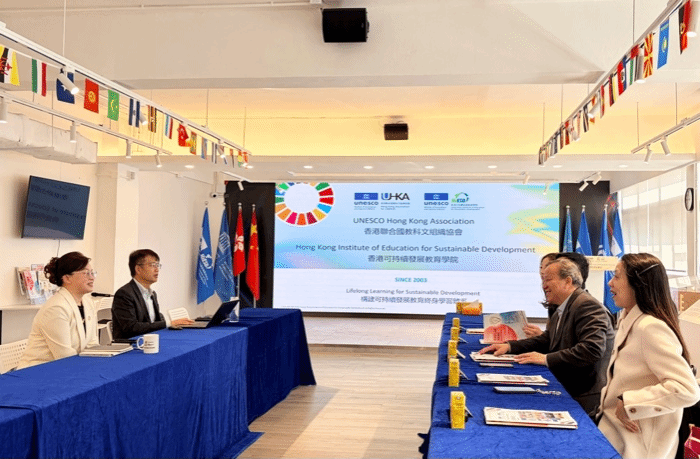
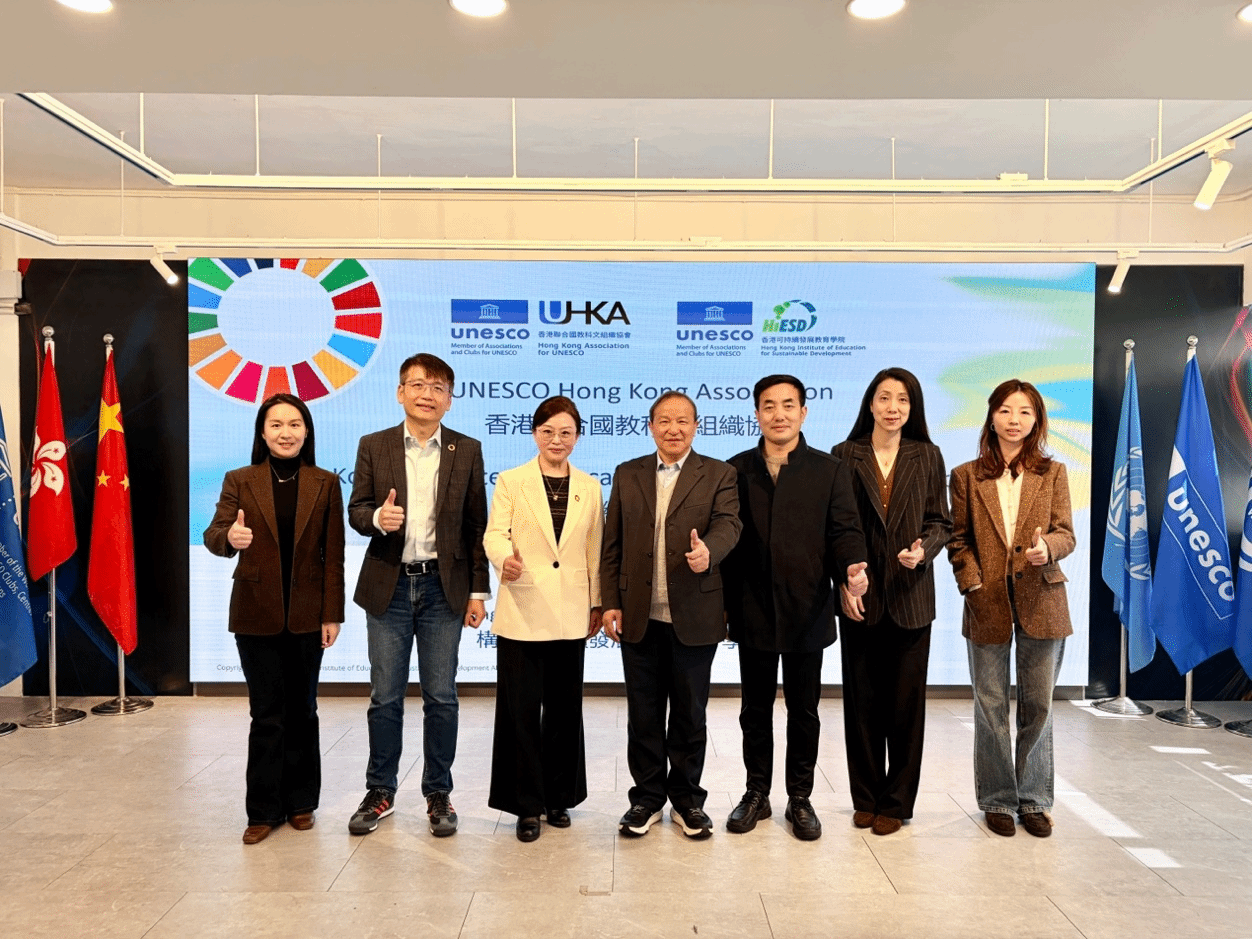
On January 24, Professor Bie Dunrong and the delegation visited the UNESCO Hong Kong Association and the Hong Kong Institute of Education for Sustainable Development at the invitation of Professor Zhang Qin, President of the Institute. Engineer Jiang Zhida and Manager Huang Yujie also warmly received the delegation. The two sides held in-depth discussions on education for sustainable development and potential areas of cooperation.
Professor Zhang introduced the Institute’s development trajectory, collaborative networks, and regional influence, with particular emphasis on international and national cooperation initiatives, industry-oriented sustainable development planning, youth empowerment, and innovative approaches to future education. Professor Bie introduced the positioning and disciplinary strengths of the Institute of Education, Xiamen University, and, drawing on his experience in UNESCO-related programs, spoke highly of the Institute’s diversified functions and inclusive approach to education for sustainable development. Both sides expressed strong interest in expanding collaboration in education research, talent cultivation, and sustainable development education.
This visit built on the exchange initiated in December 2025, when Professor Zhang led a study delegation to Xiamen University, reflecting the continuity and deepening of bilateral engagement and providing sustained momentum for future cooperation.
Professor Mok Ka Ho formally appointed as editor-in-chief of Perspective of Higher Education to advance its launch
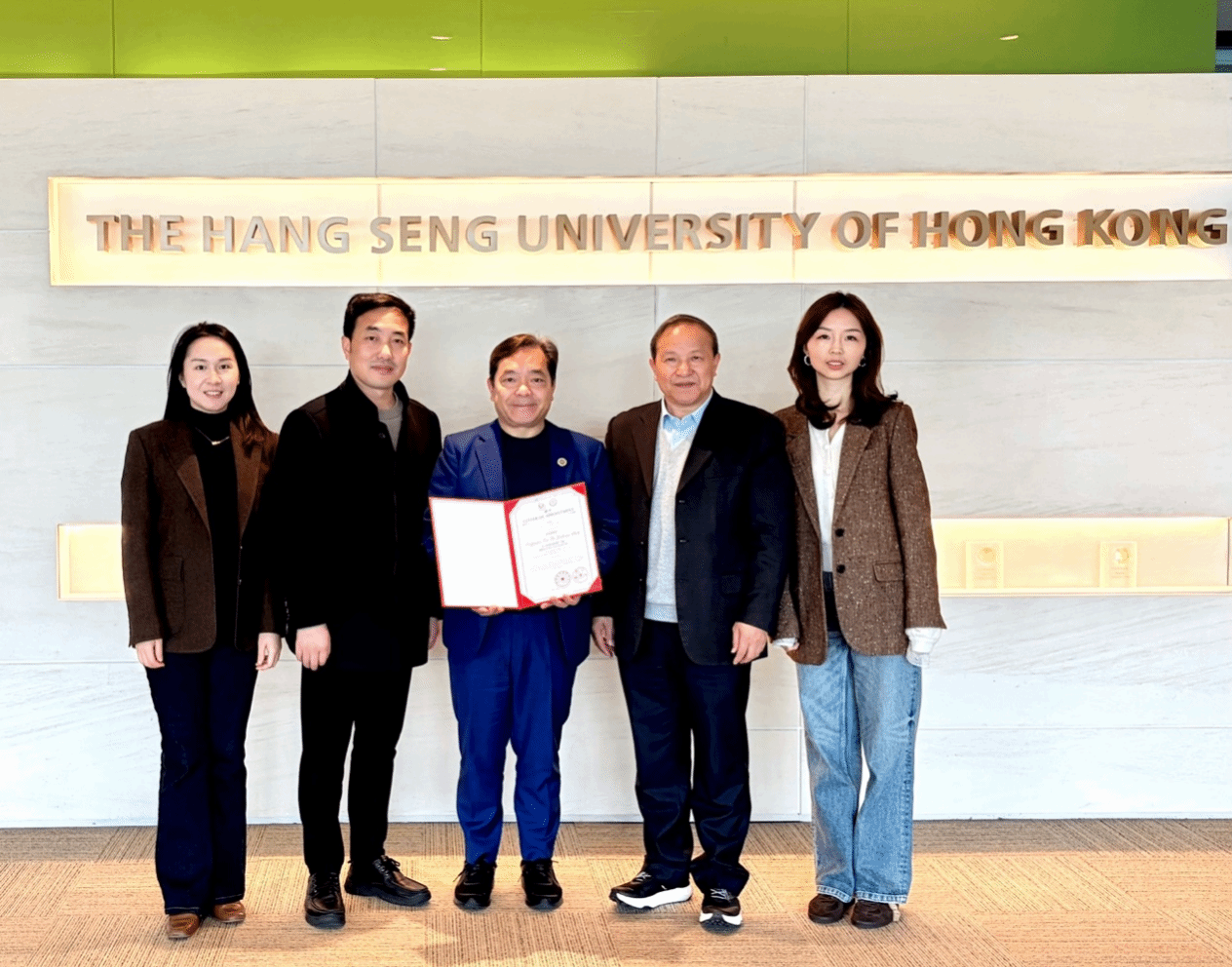
On January 24, Professor Bie Dunrong led a delegation to The Hang Seng University of Hong Kong (HSUHK) and held a meeting with Professor Joshua Mok Ka-ho, Provost and Vice-President (Academic & Research). The two sides engaged in in-depth discussions on the launch and operation of the international journal Perspective of Higher Education, and Professor Bie formally presented Professor Mok with the letter of appointment as Editor-in-Chief.
Drawing on his extensive experience in academic publishing, Professor Mok offered a range of constructive suggestions on the journal’s launch and operational mechanisms. Key recommendations included further strengthening the call-for-papers and peer-review procedures, improving language editing and production workflows, planning a well-paced publication schedule, and continuously attracting high-quality international submissions. He emphasized that a standardized and professional publication system is essential for enhancing the academic impact and international visibility of English-language journals.
Professor Wang Shutao provided an update on the journal’s establishment and outlined plans for its next phase of development. Professor Bie noted that the journal would be firmly grounded in the frontiers of higher education research and would strive to serve as an open and inclusive platform for international scholarly exchange, promoting the global dissemination and dialogue of Chinese higher education research. The two parties also exchanged views on the development of the journal’s editorial board, with particular attention to pathways for engaging early-career scholars who possess strong academic English writing skills and international research experience. The meeting clarified key directions for the high-quality launch and sustainable operation of Perspective of Higher Education.
Perspective of Higher Education is jointly sponsored by Xiamen University and the Chinese Association of Higher Education. It is an international academic journal that tracks developments in higher education in China and around the globe. The journal focuses on key themes including higher education policy, educational practice, pedagogical innovation, and social impact, and is committed to building an international platform for scholarly exchange on frontier research in higher education. The editorial office is based at the Institute of Education, and a number of internationally renowned scholars have been appointed as members of the journal’s Editorial Advisory Board.