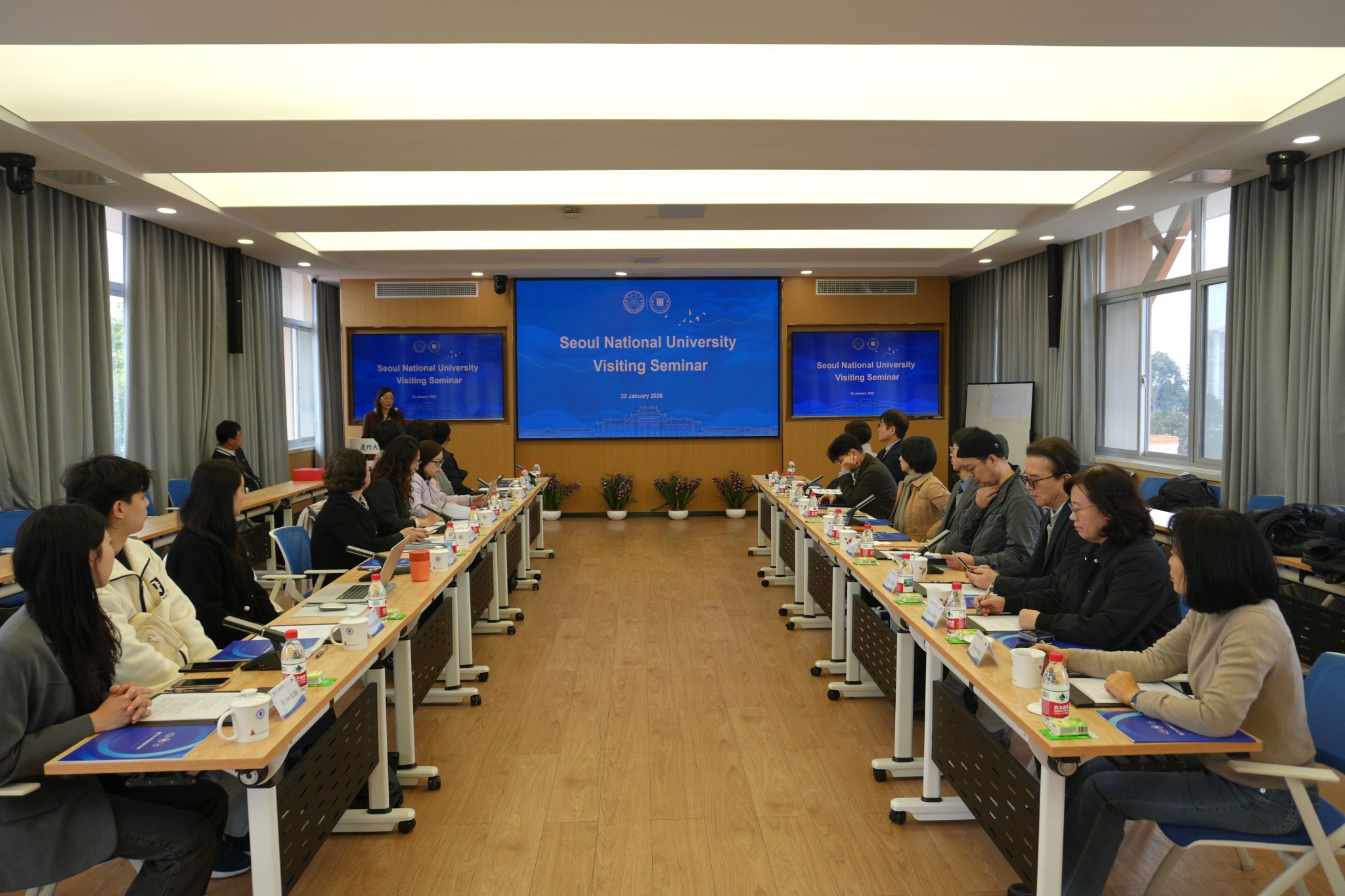
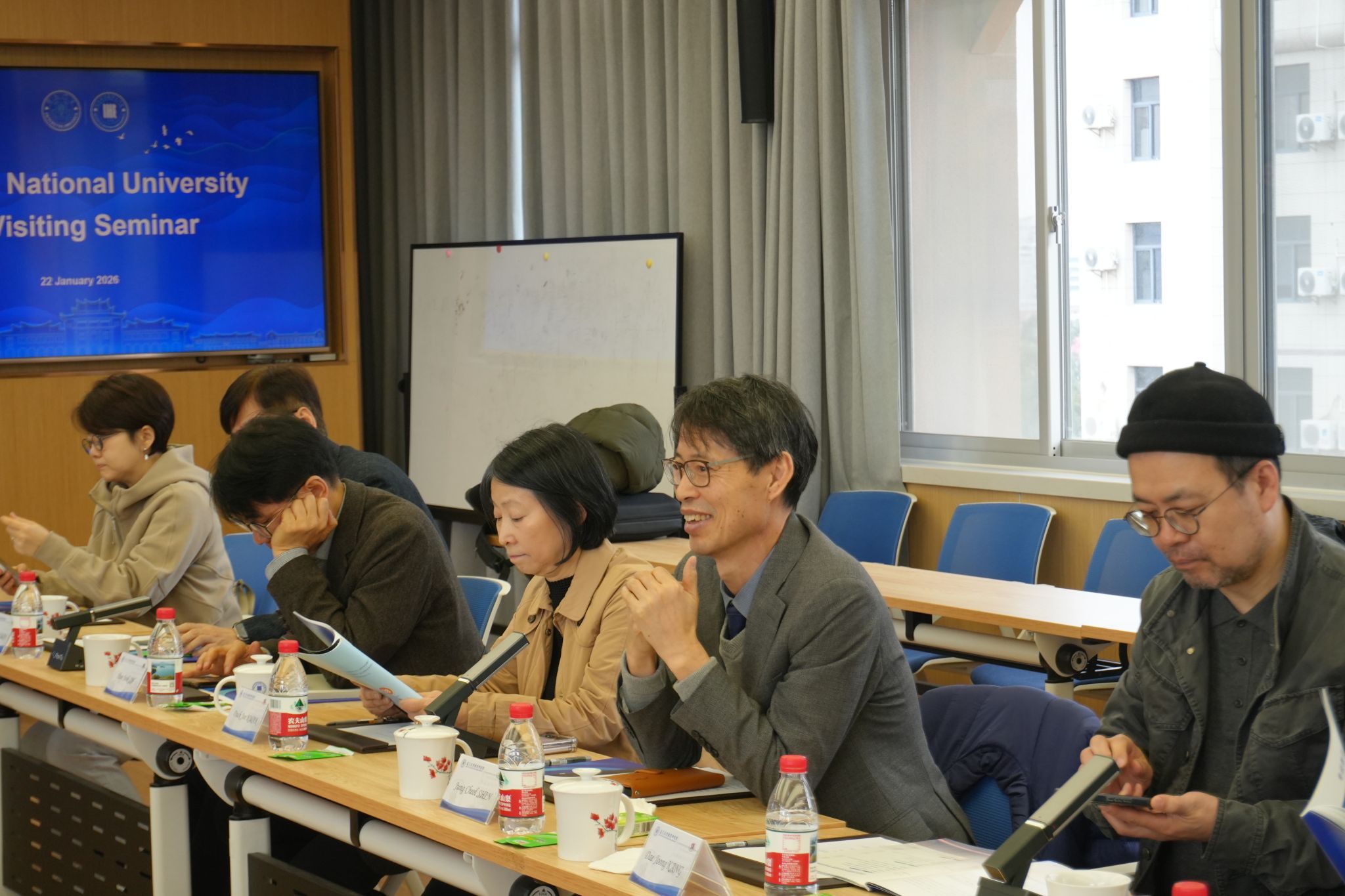
On the morning of January 22, 2026, a delegation of 14 members from the Department of Education at Seoul National University (SNU), led by Department Chair Professor Jung Cheol SHIN, visited the Institute of Education at Xiamen University (XMU). The two sides held an academic exchange seminar, delving into core topics such as educational research, talent cultivation, enrollment policies, and international cooperation, to explore new pathways for China-South Korea collaboration in education.
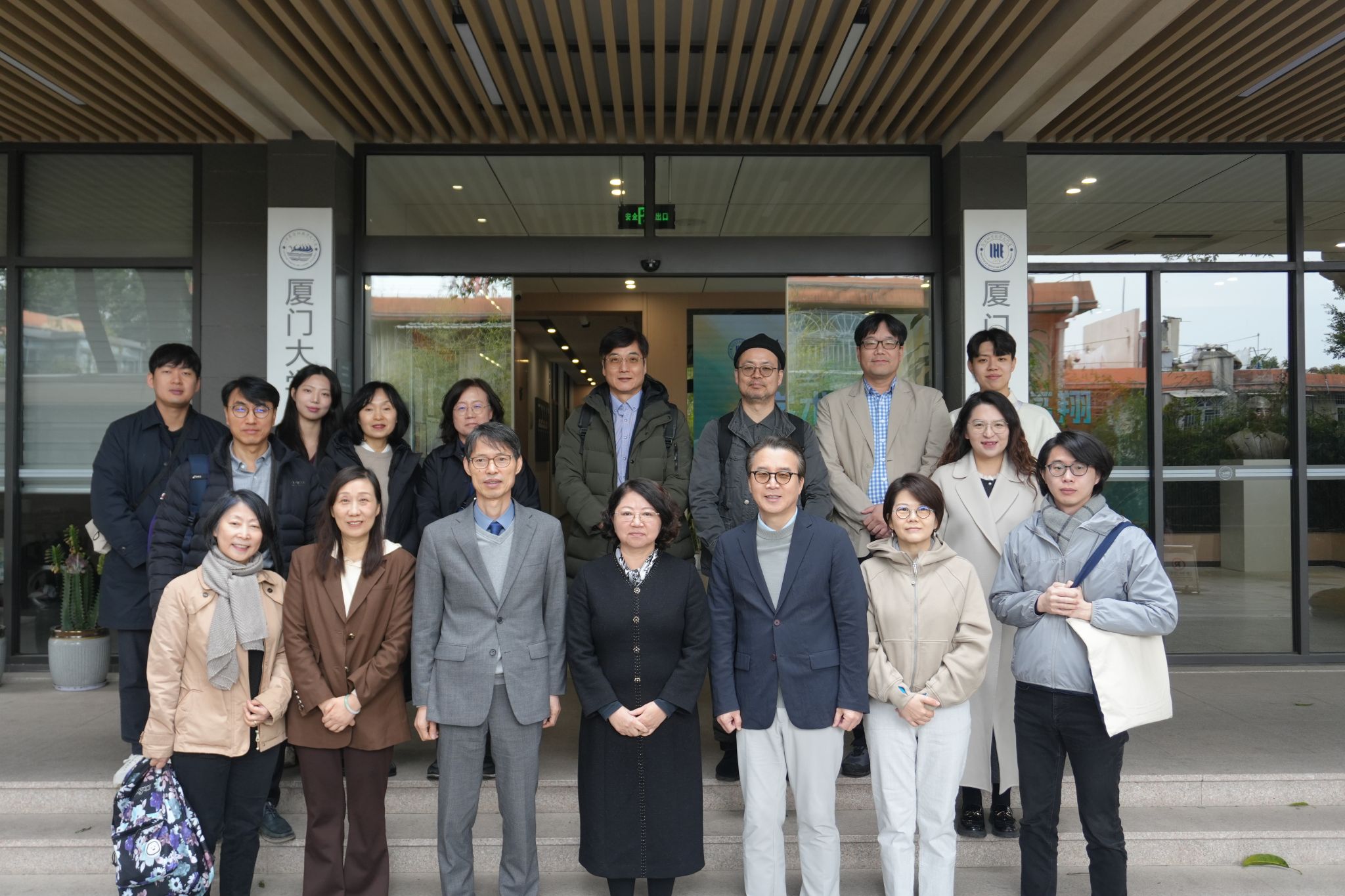
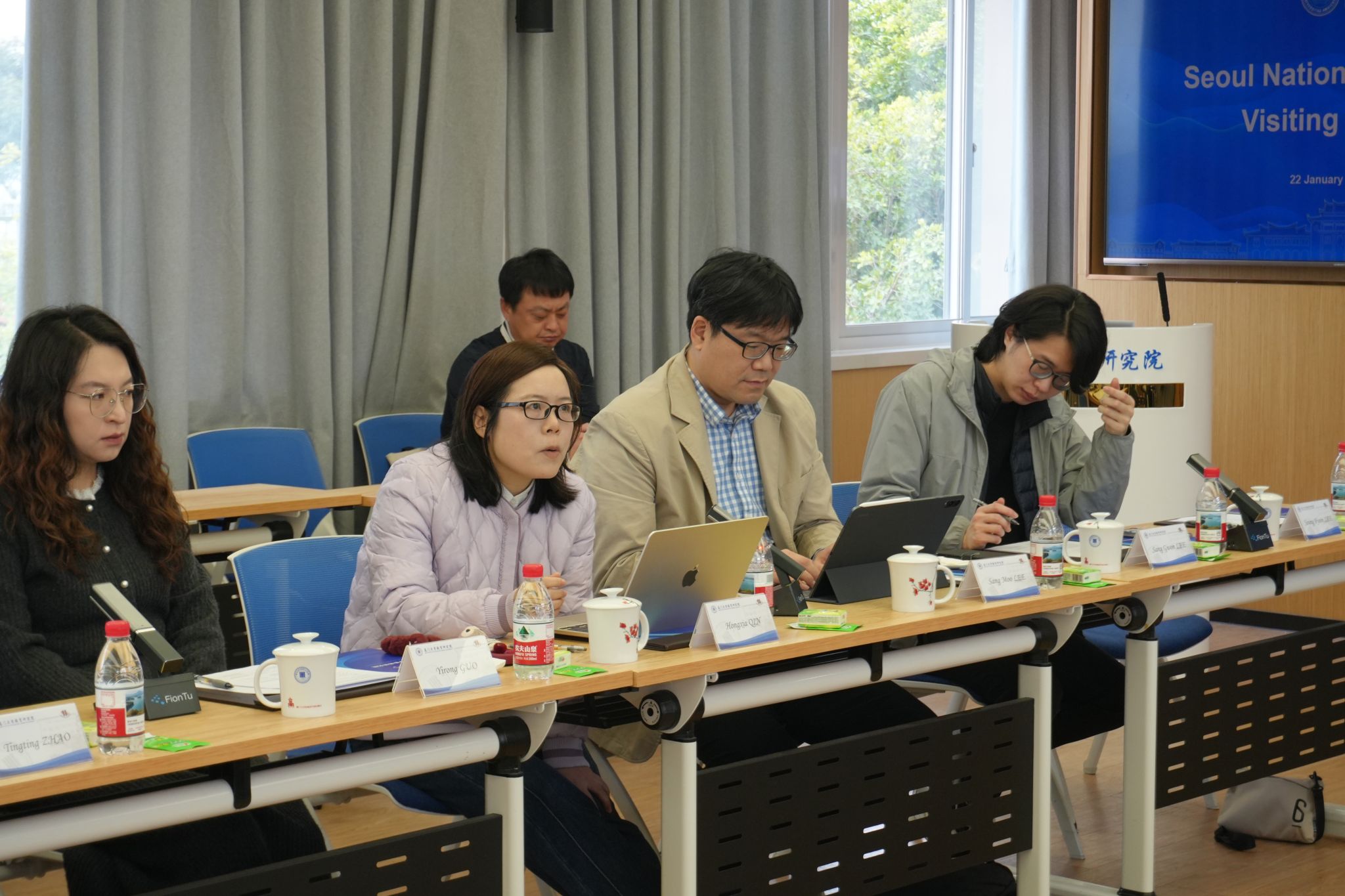
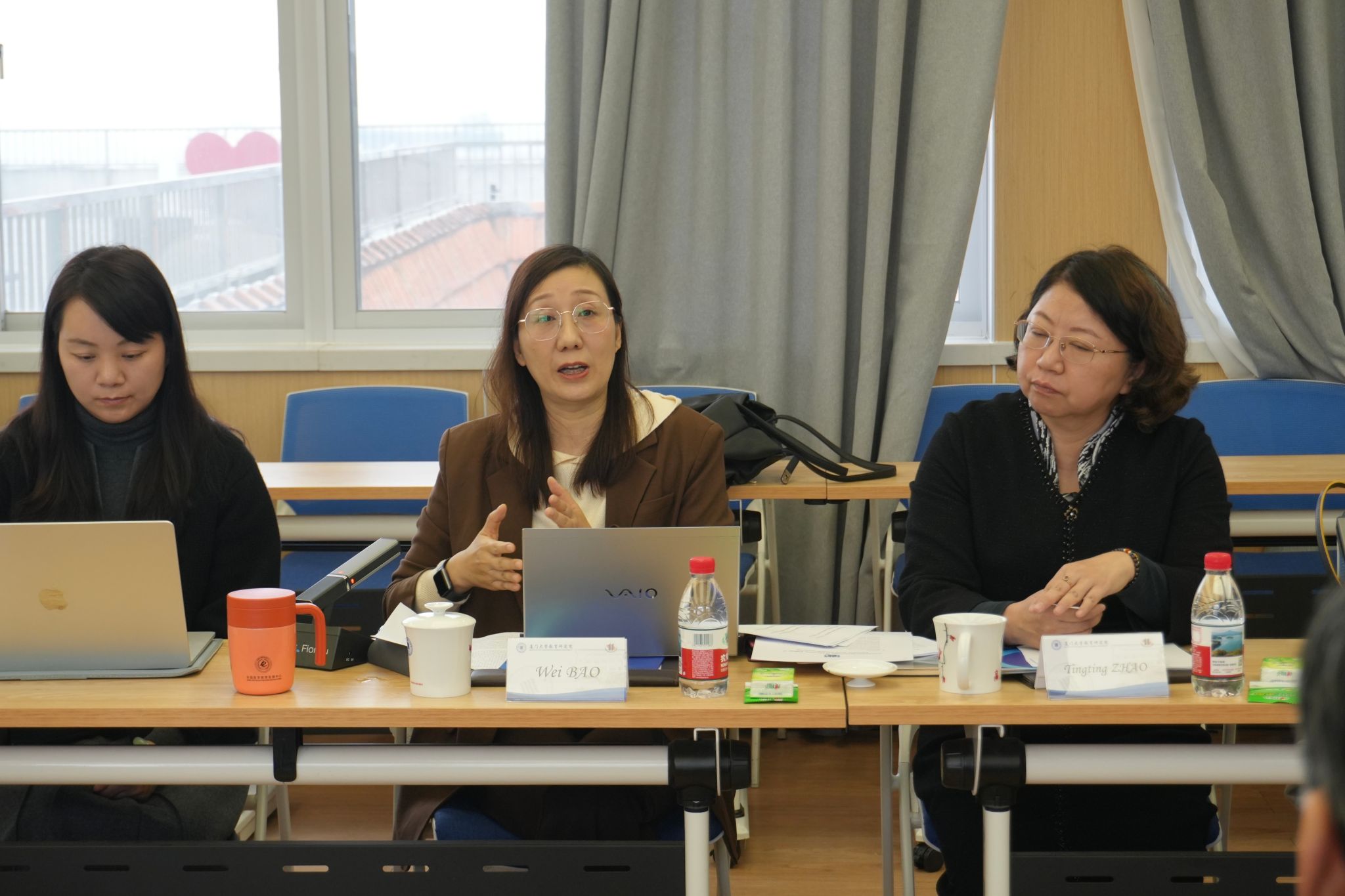
The meeting was chaired by Professor Bao Wei, Director of the Center for Higher Education Development of Xiamen University. Attendees from Xiamen University included Vice Deans Professor Zhao Tingting and Professor Qin Hongxia, along with Associate Professor Guo Yirong. The SNU delegation comprised distinguished scholars across various fields, including Professors Dae Joong KANG, Duck Joo KWAK, Dong II KIM, Hun Seok OH, Hyun Jeong PARK, Jong Ho SHIN, Kyung Hee SO, and Yun Jeong SHIN, as well as Assistant Professor Sang Moo Lee and four research assistants.
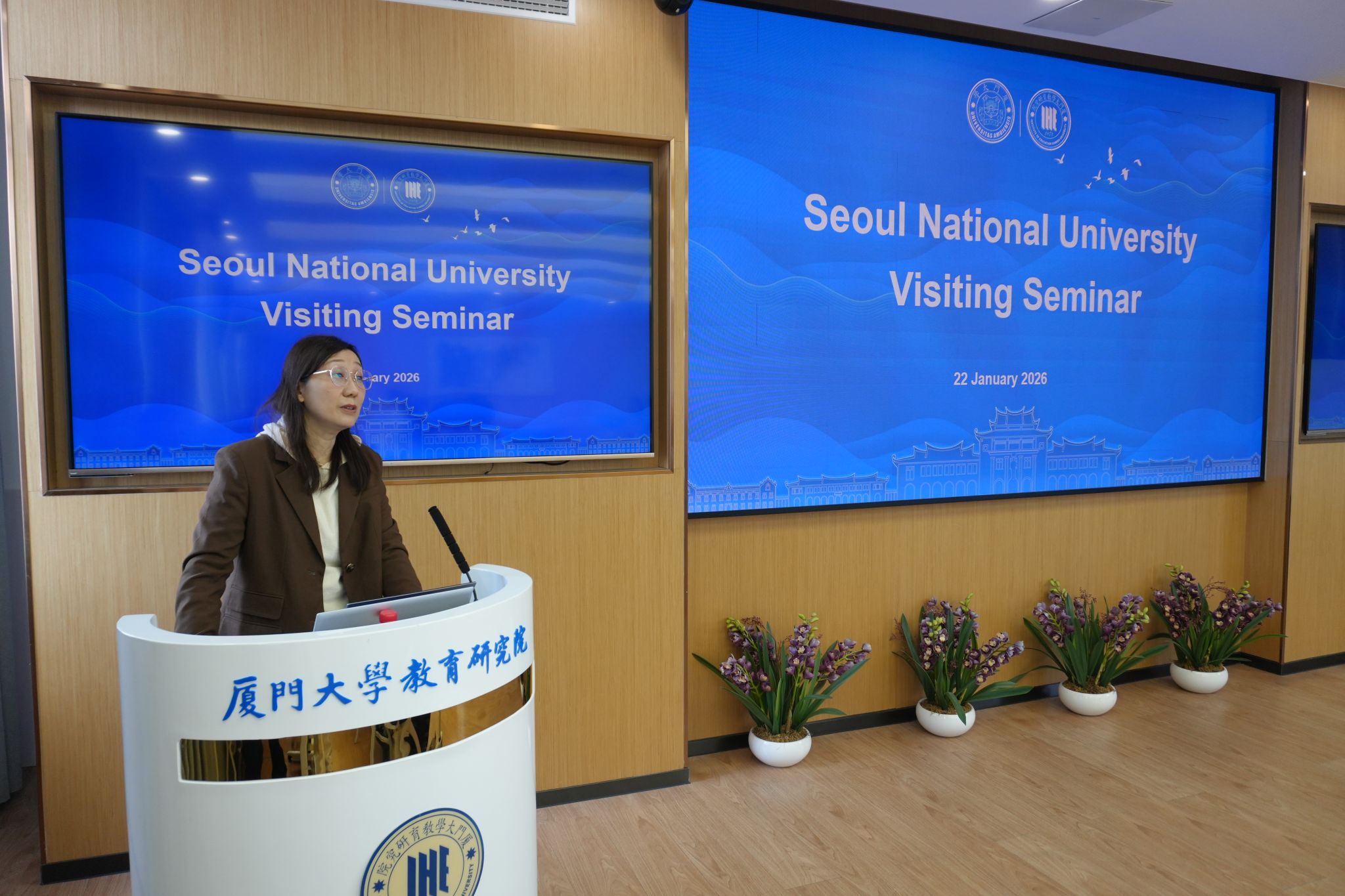
At the opening of the seminar, Professor Bao Wei delivered a welcome speech. She extended a warm welcome to the SNU delegation and emphasized that educational research is a vital component of university academic endeavors. Professor Bao noted that higher education in both China and South Korea faces shared challenges, including massification, quality assurance, admission system reforms, declining birth rates, and student development issues. She highlighted the urgency of comparative research and deeper academic cooperation.
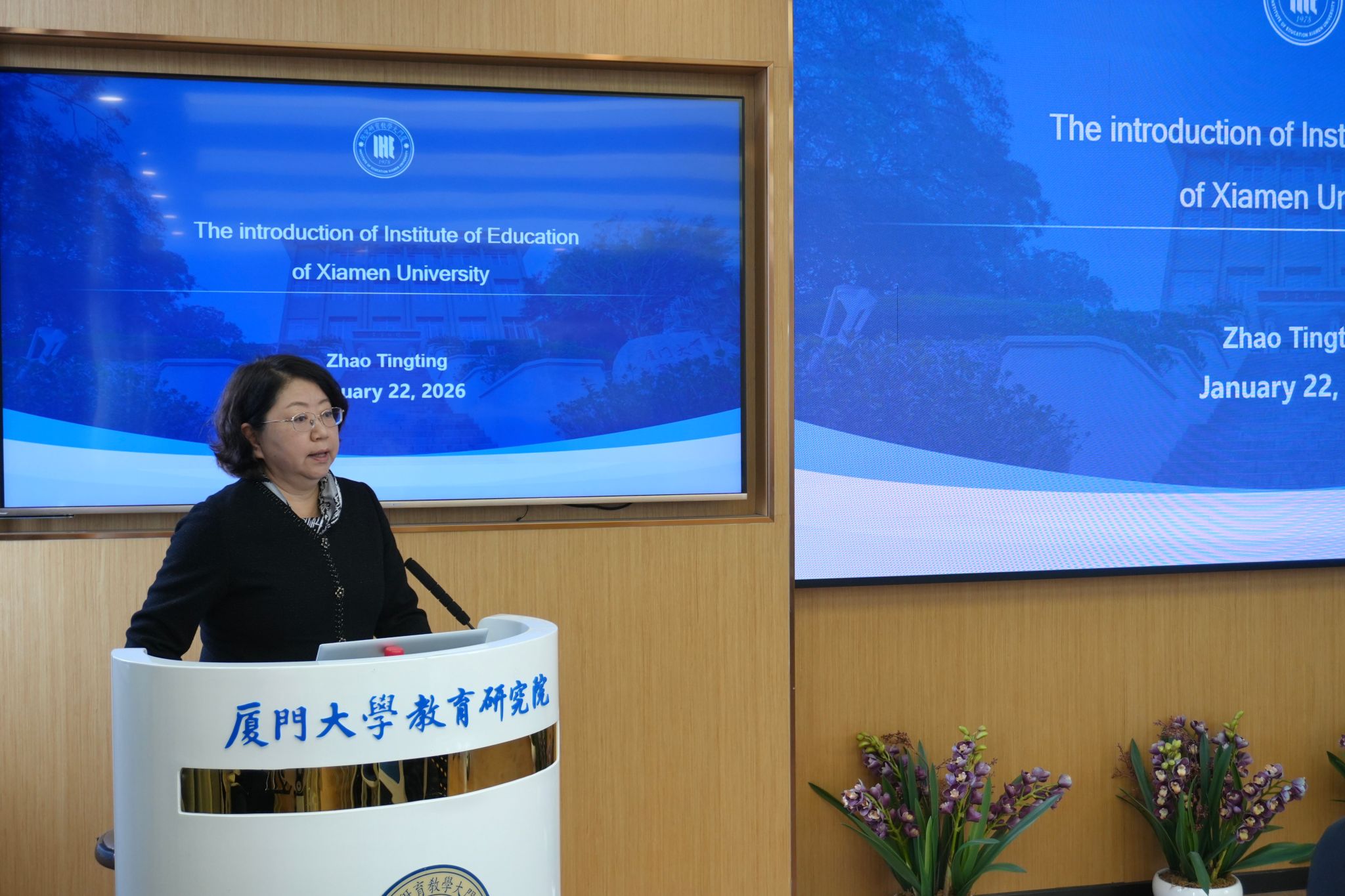
Subsequently, Professor Zhao Tingting systematically introduced the Institute of Education from six dimensions, including its history, organizational structure, research fields, degree programs, international cooperation, and future prospects. Tracing its roots to 1921, the Institute has achieved numerous "firsts" in China's higher education research and established partnerships with over 30 top universities worldwide.
Professor Qin Hongxia then focused on the construction of Xiamen University’s Examination Research Center, highlighting its significant academic achievements in college entrance examination reforms and imperial examination system research, which include the publication of over 40 monographs and 800 academic papers.
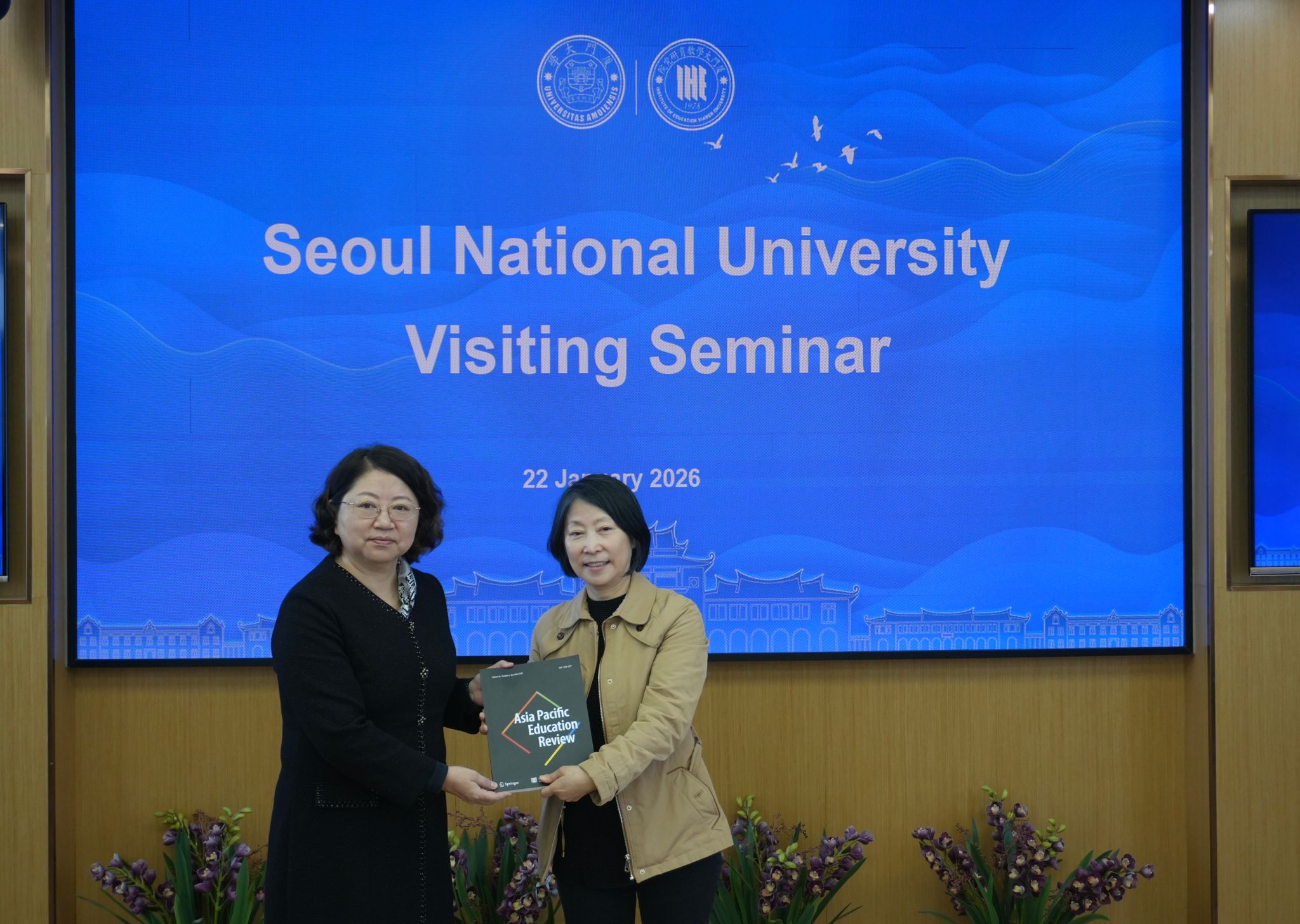
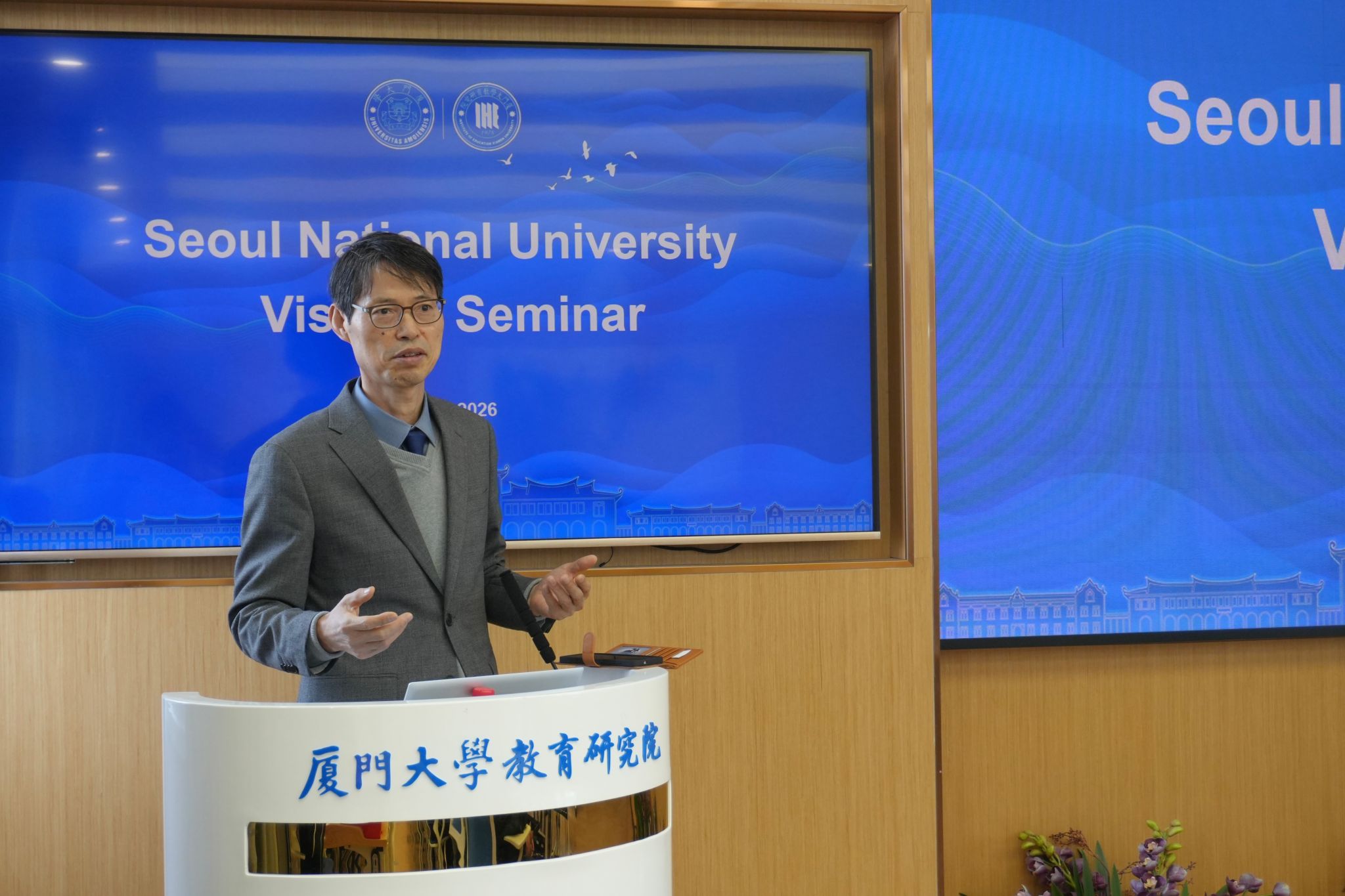
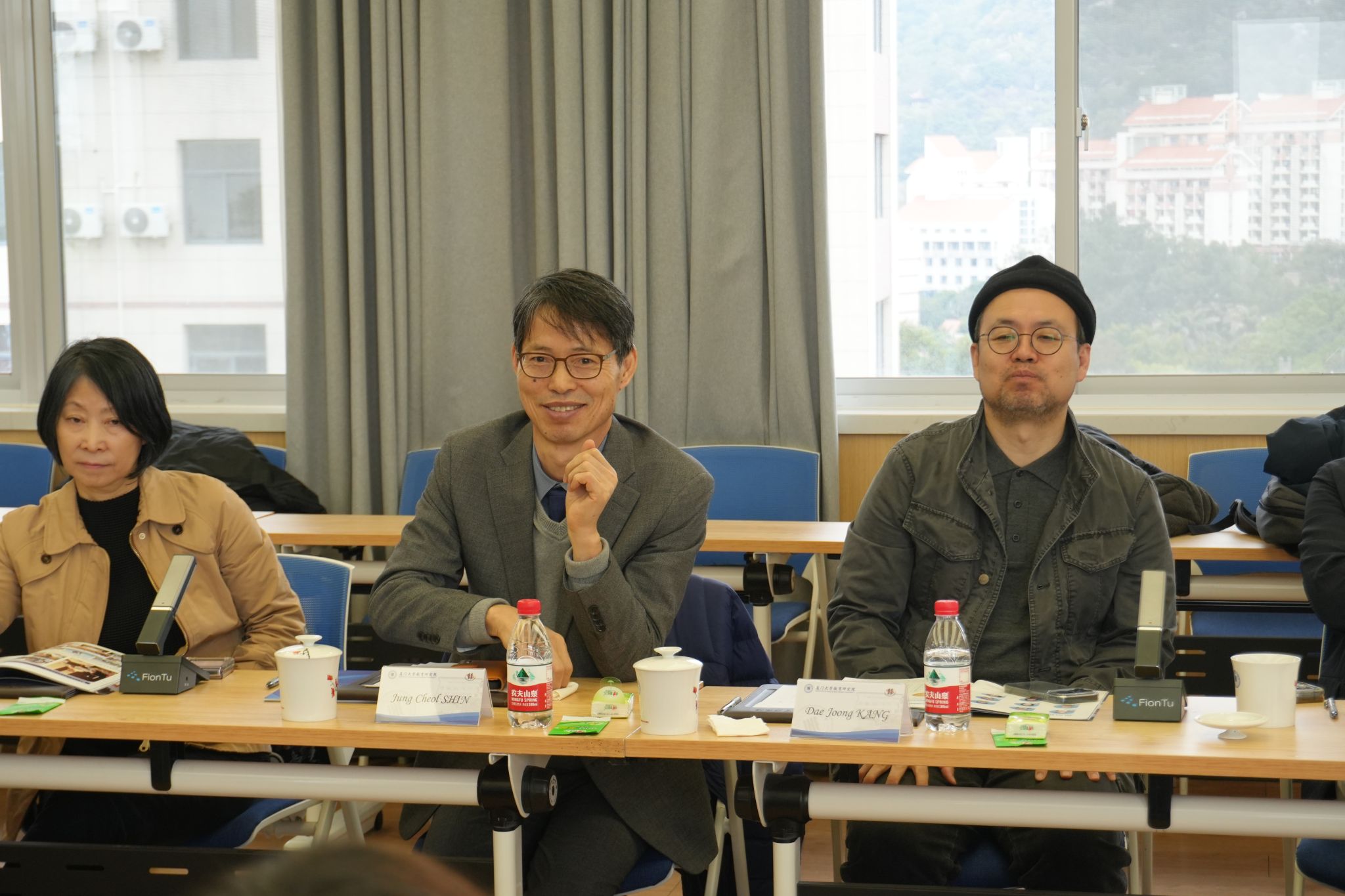
On behalf of the Korean delegation, Professor Jung Cheol SHIN, Chair of the Department of Education at SNU, introduced the historical evolution of SNU’s Department of Education. He highlighted the "Institute for Innovation and Coexistence Education Research" supported by the BK21 (Brain Korea 21) FOUR Project, and the department's influential journals, including the SSCI-indexed Asia Pacific Education Review and the KCI-indexed Asian Journal of Education. He specifically invited XMU scholars to the upcoming 26th International Conference on Educational Research (ICER), scheduled for July 2026. Delegation members also shared insights from their respective fields, such as educational psychology, special education, and curriculum studies.
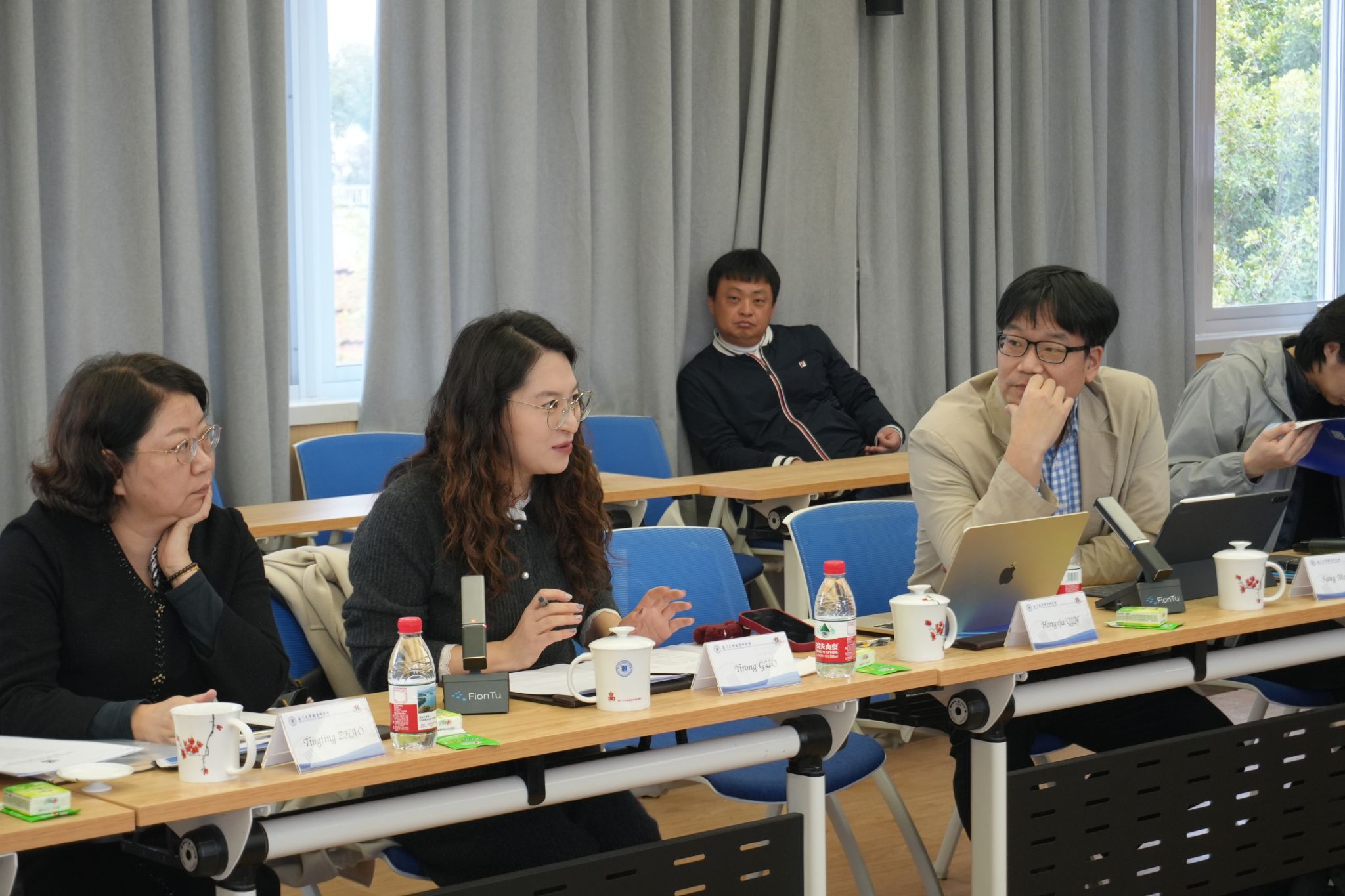
During the open discussion session, Associate Professor Guo Yirong presented research on educational psychology and the digital transformation of higher education. She proposed specific future cooperation directions, including a PhD student exchange program, joint academic lectures, and the co-development of summer courses. The Korean side responded positively, engaging in active discussions on methods such as exchanging PhD students to participate in international conferences and research visits, and establishing joint training programs. Additionally, the two sides conducted in-depth discussions on topics such as university admission systems, financial aid evaluation standards, and faculty promotion criteria.
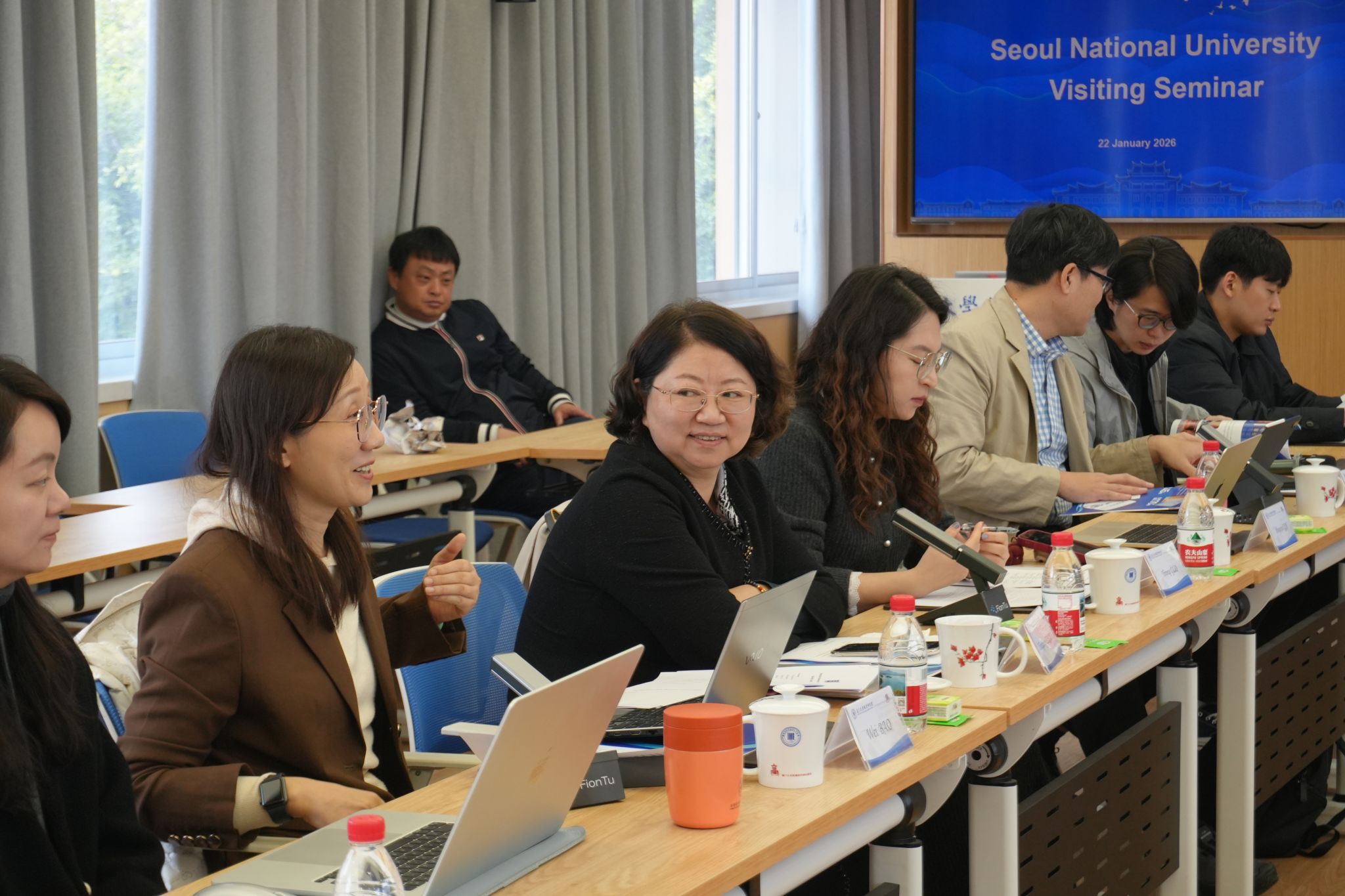
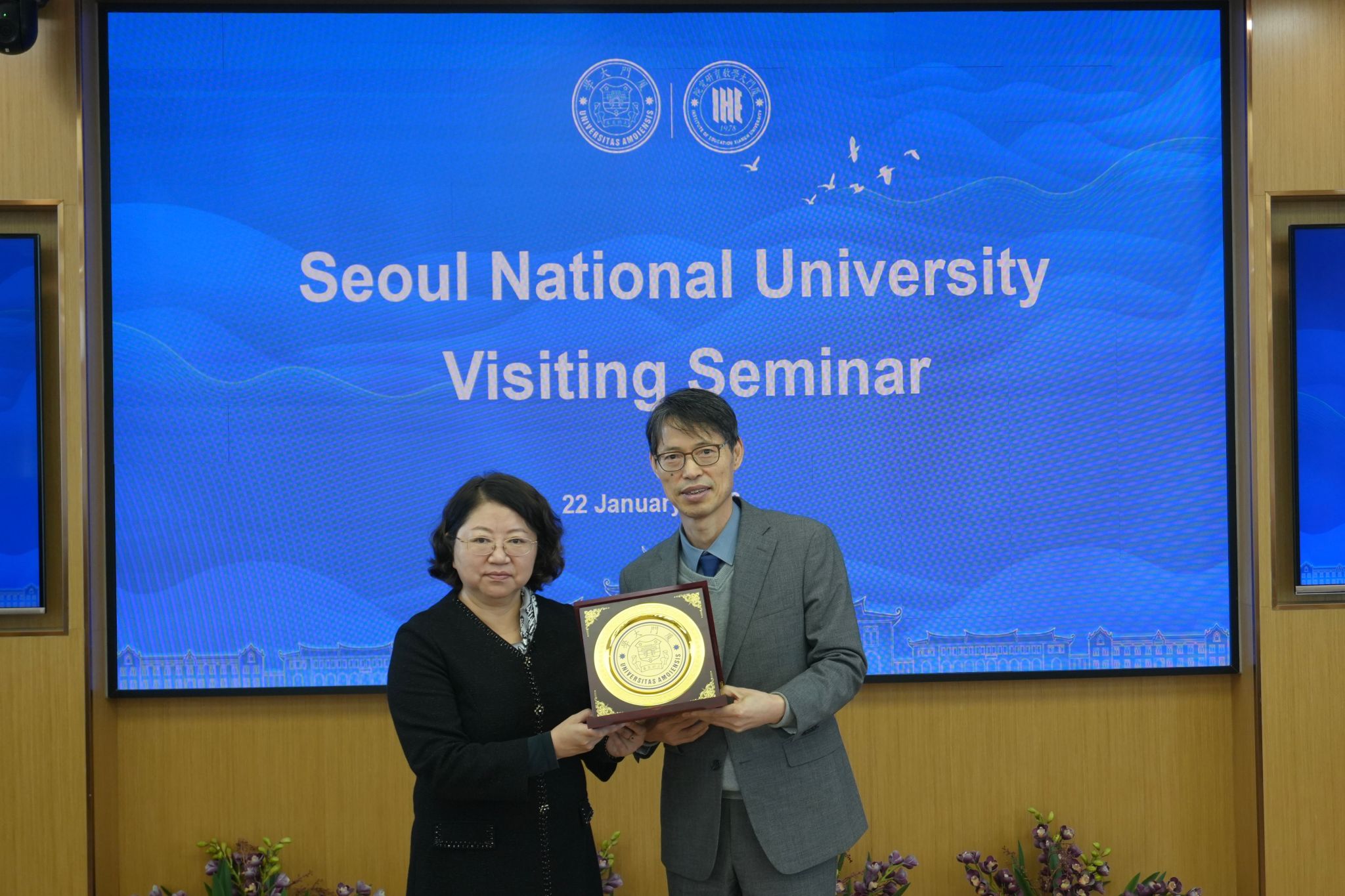
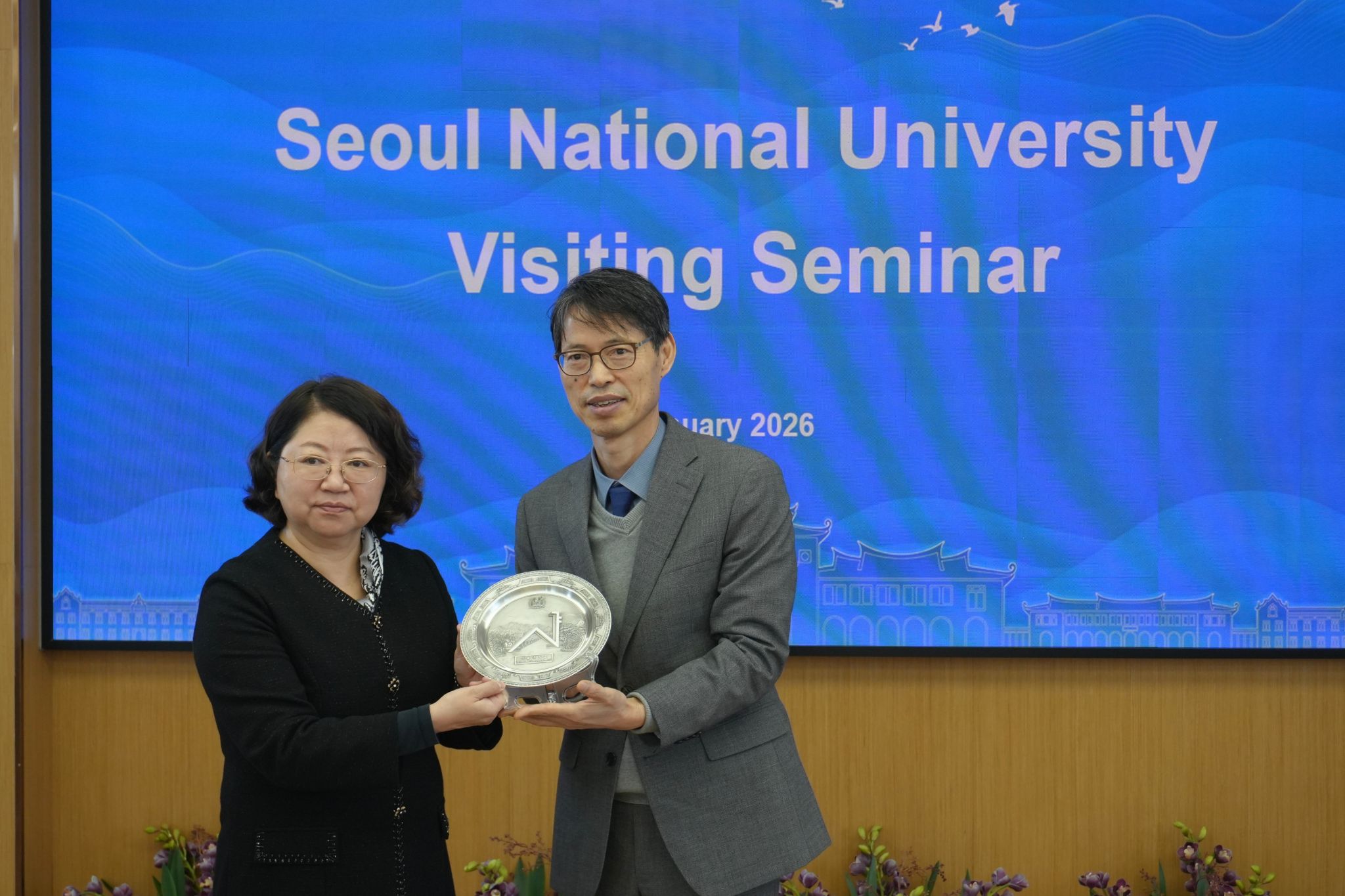
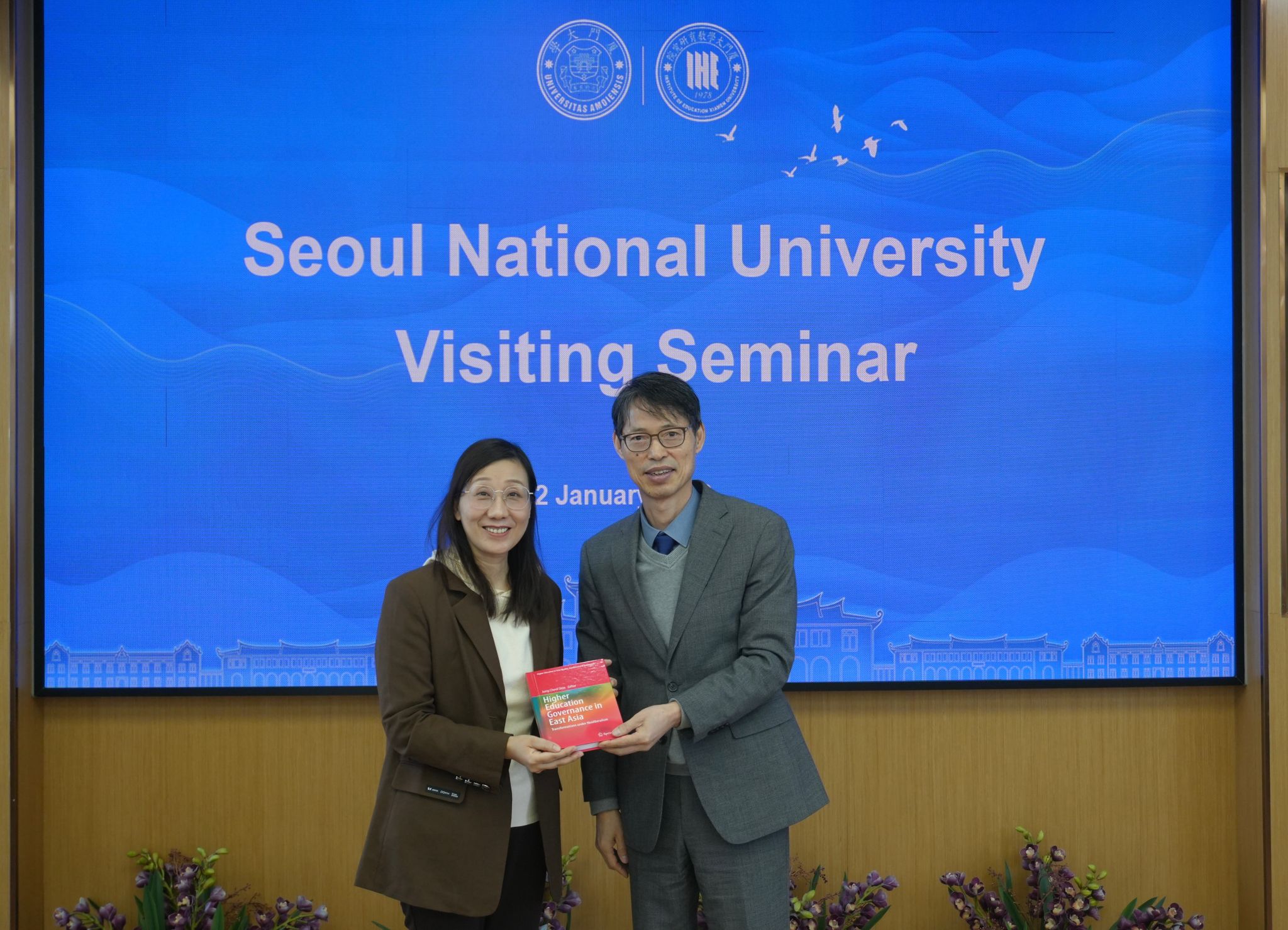
To conclude the meeting, representatives from both institutions exchanged souvenirs to commemorate the fruitful exchange. This seminar successfully built a platform for direct dialogue, laying a solid foundation for future in-depth cooperation and innovation in the field of education between the two institutions. Both sides agreed to further strengthen exchanges and collaboration to jointly address challenges and opportunities in education, thereby effectively enhancing the influence of both universities in the international academic community and contributing collectively to the advancement of educational endeavors.