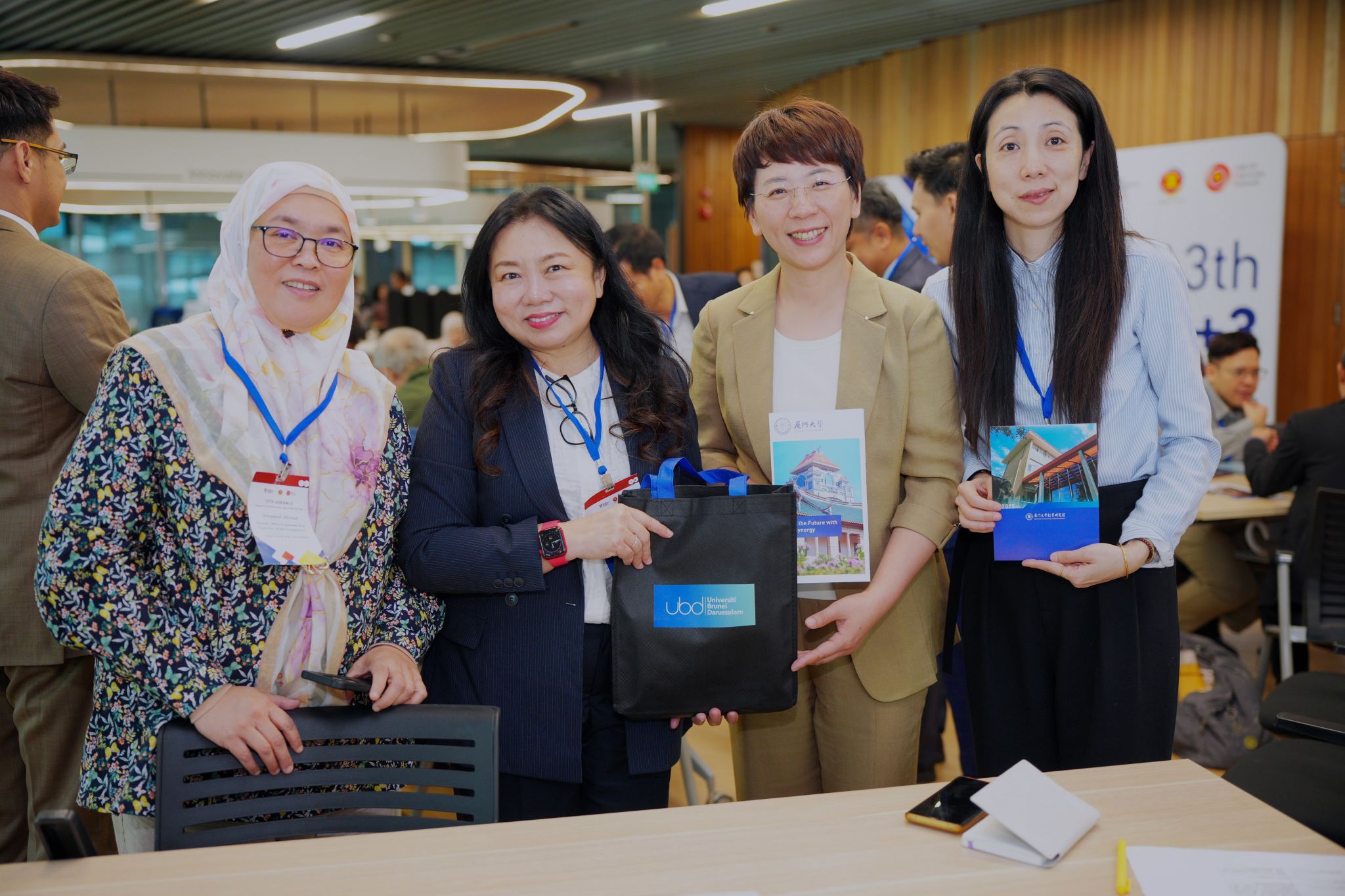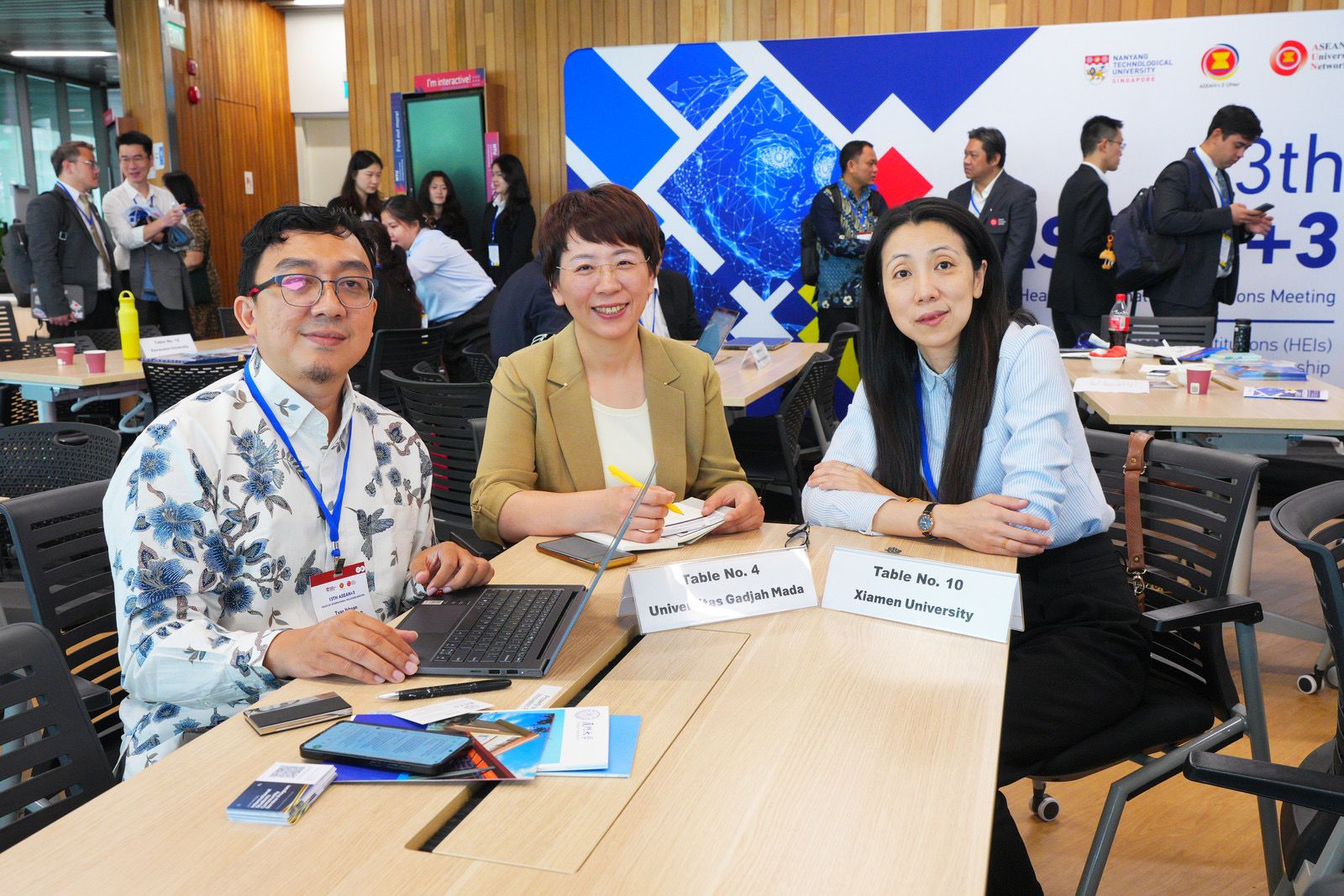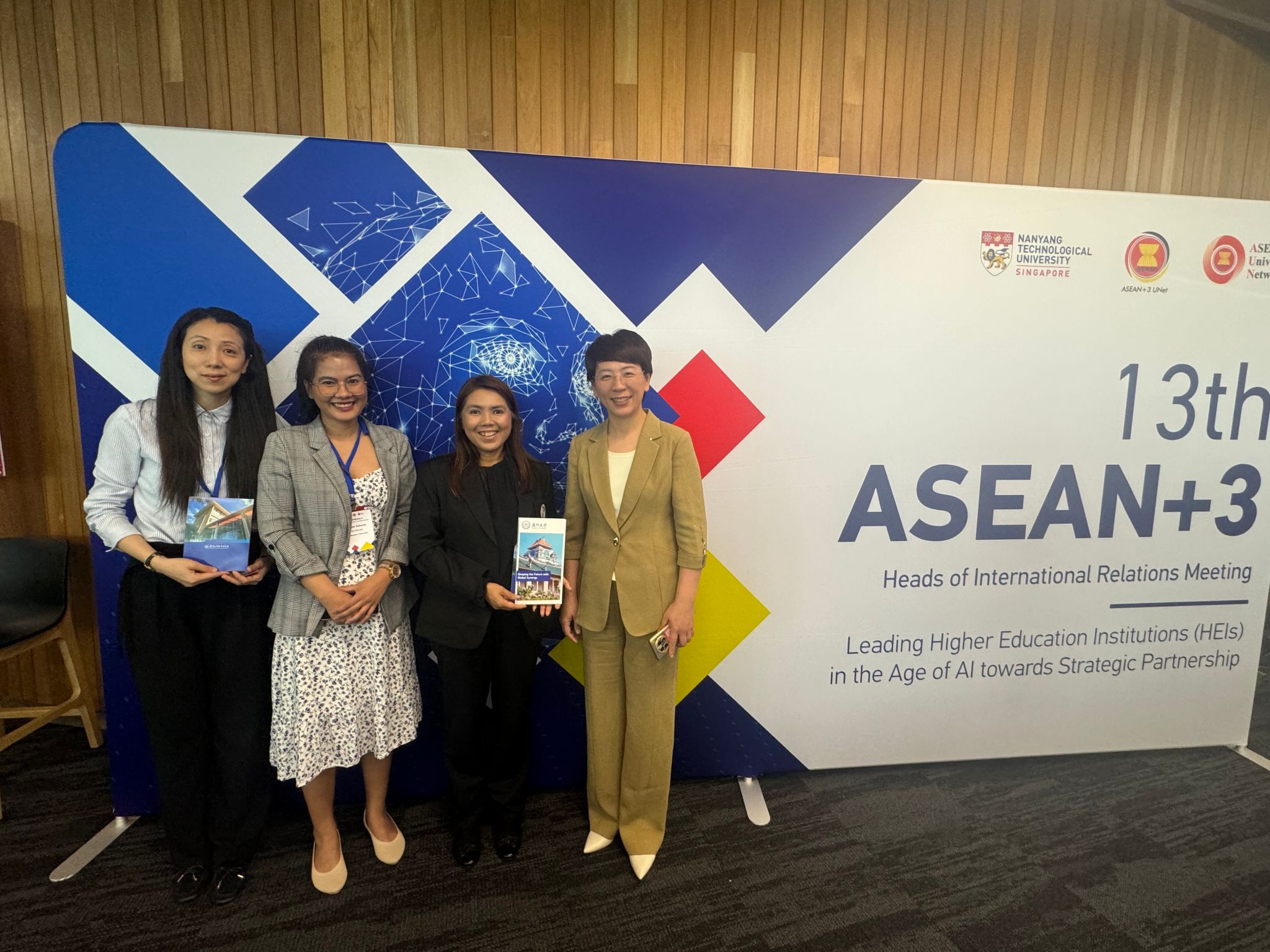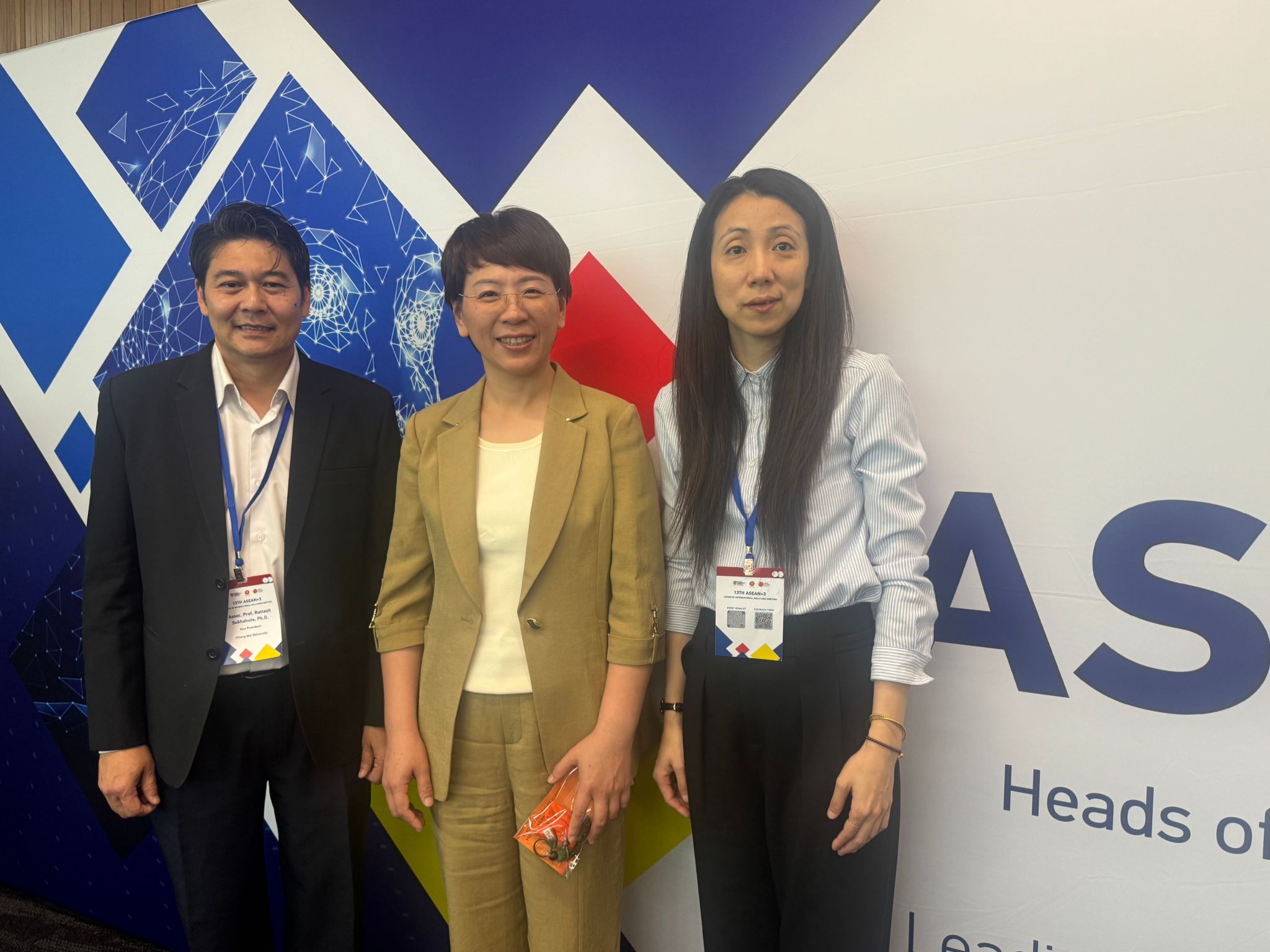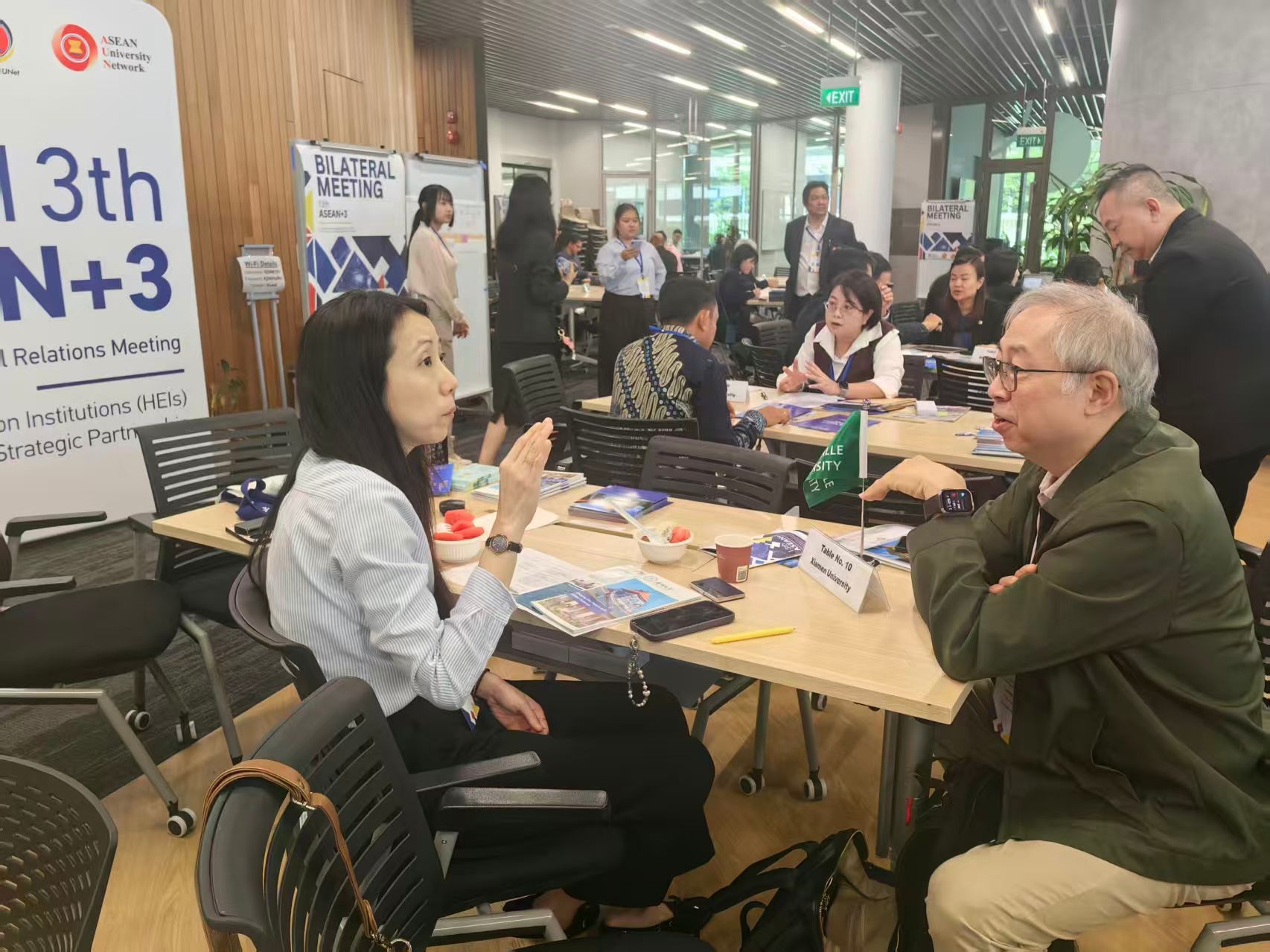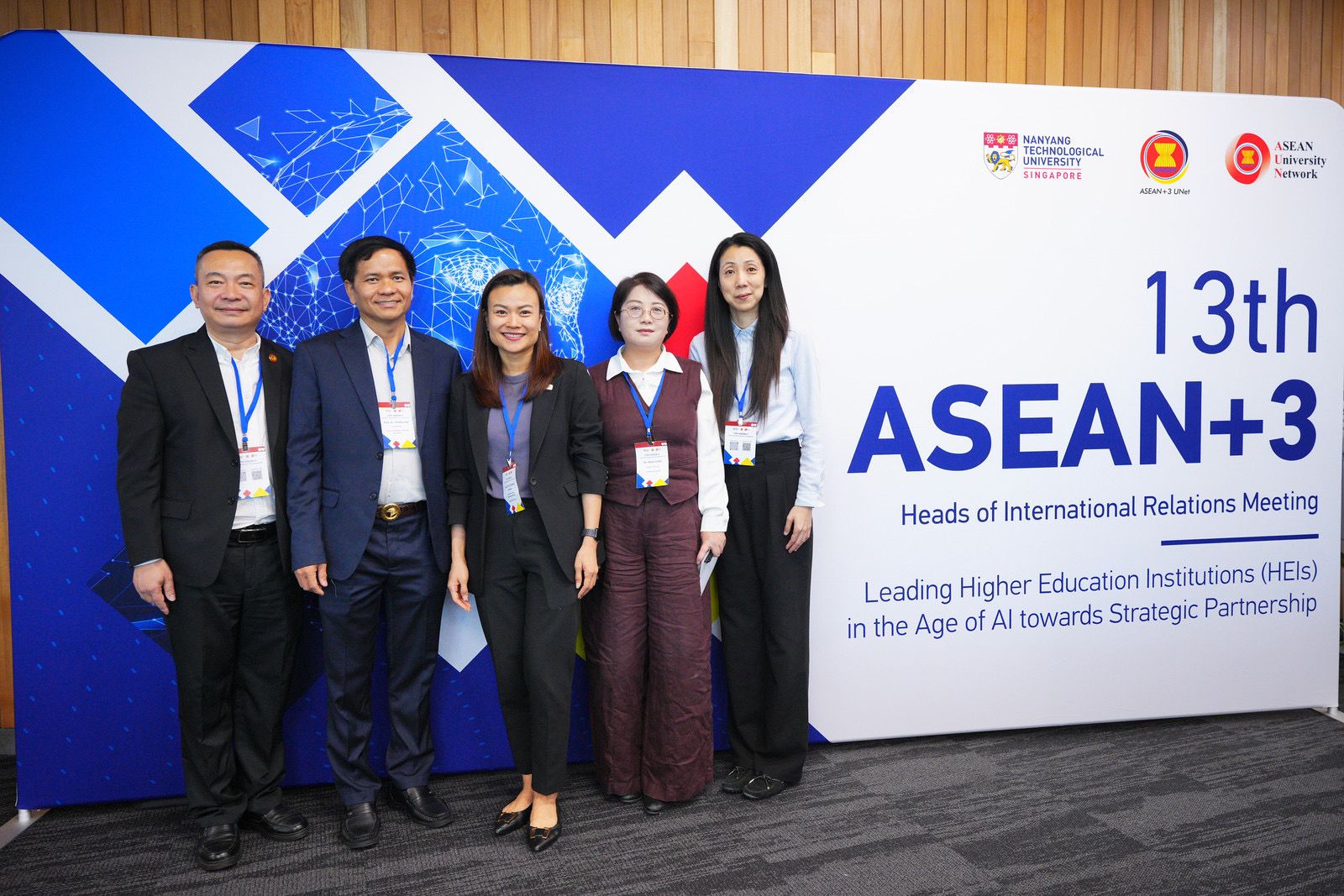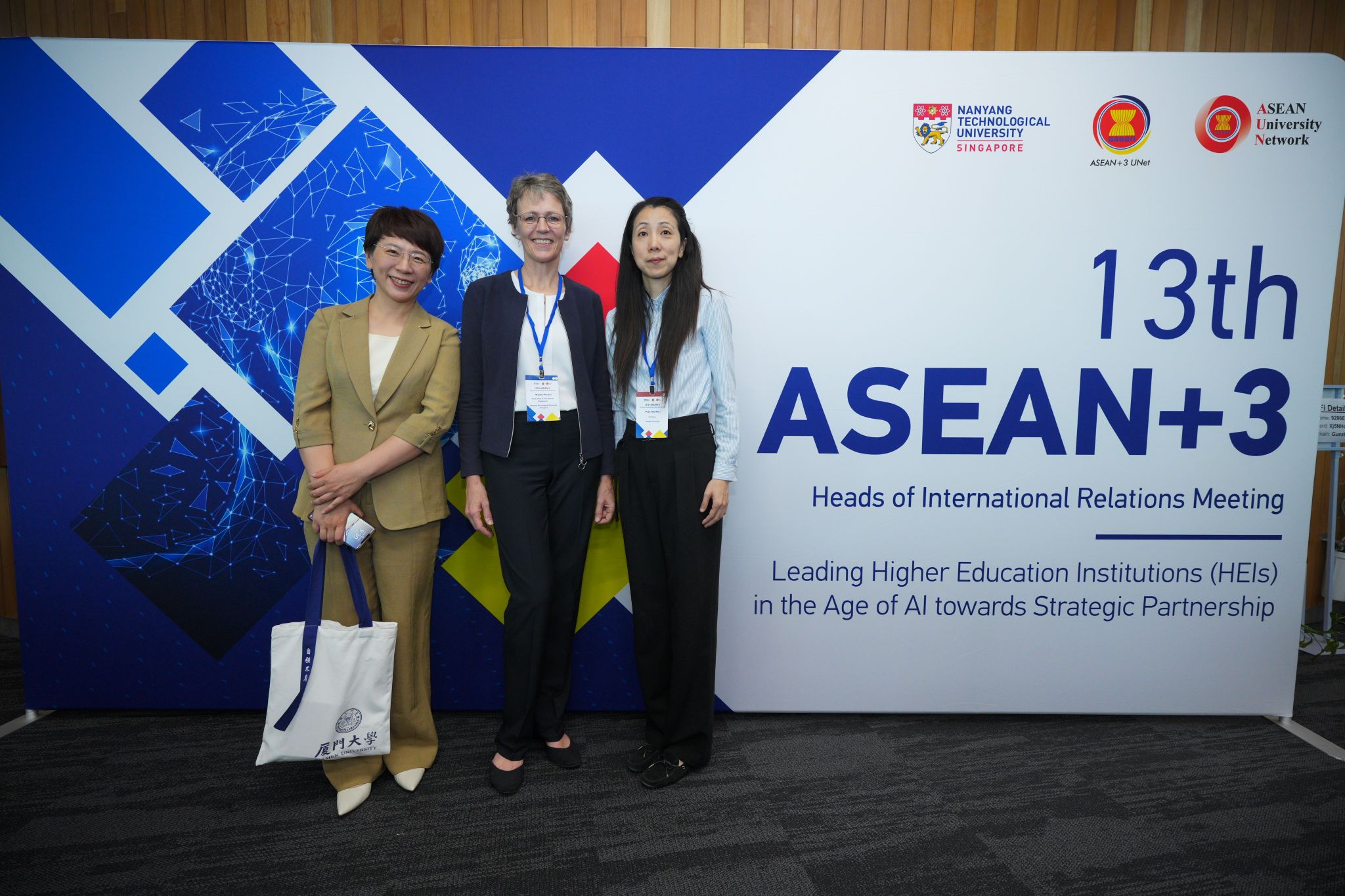
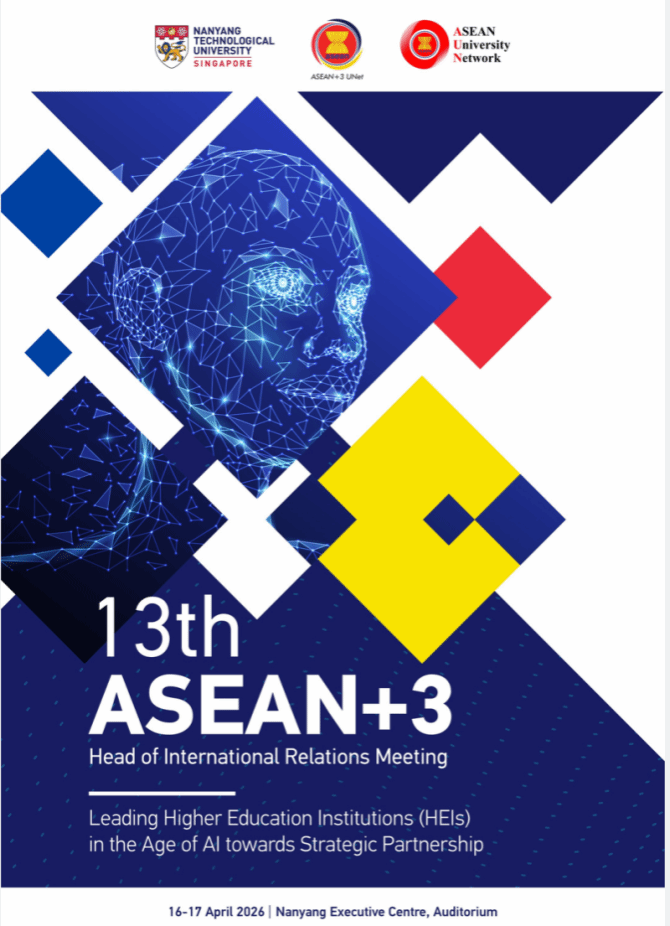
From April 16 to 17, 2026, the 13th ASEAN+3 Heads of International Relations Meeting was held at Nanyang Technological University in Singapore. Under the theme “Leading Higher Education Institutions in the Age of AI towards Strategic Partnership,” the meeting aimed to promote deeper collaboration among participating universities amid the wave of digital transformation and to jointly explore new directions for the sustainable development of higher education. Huang Chen, Deputy Director of the Office of International Cooperation and Exchange of Xiamen University, and Professor Wu Wei, Deputy Director of the Center for Higher Education Development of Xiamen University, attended the meeting as representatives of the university.
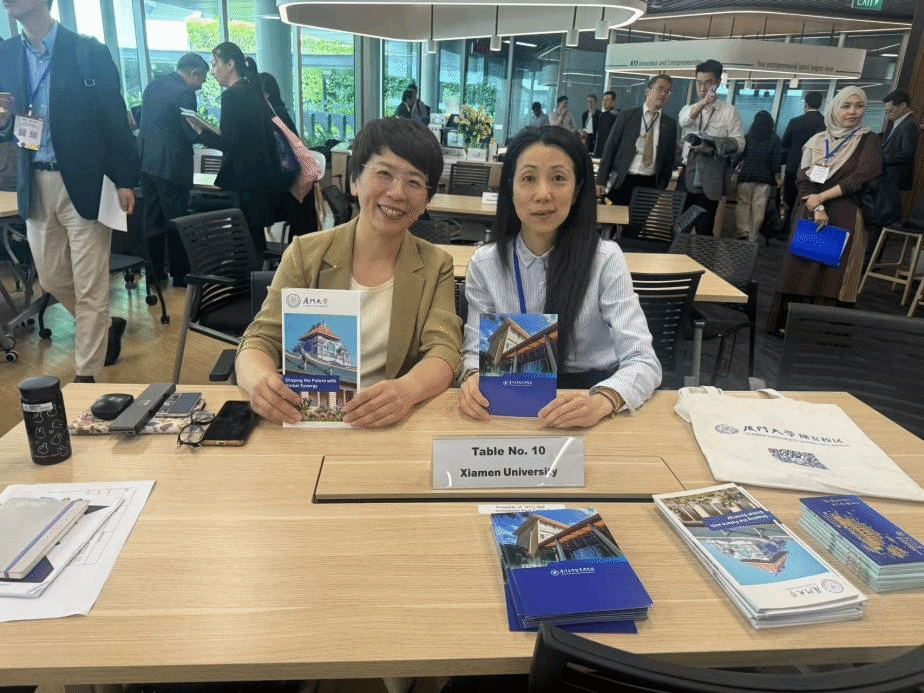
The meeting centered on the key issue of how higher education institutions can keep pace with the times in the era of artificial intelligence, focusing on three core areas. First, it explored how to help students enhance their comprehensive ability to respond to uncertainty in an AI-driven future economy. Second, it discussed how to empower faculty members to innovate in instructional design and integrate AI into teaching practices and internationalization activities in a prudent and responsible manner. Third, it encouraged higher education institutions to re-examine and reshape their missions, values, and positioning amid a rapidly changing global landscape.
On April 17, Professor Wu Wei and Deputy Director Huang Chen held bilateral exchanges with heads of international relations offices from universities including Nanyang Technological University, Universiti Malaya, Universiti Brunei Darussalam, Chiang Mai University, Universitas Gadjah Mada, and De La Salle University. They engaged in in-depth discussions on topics such as the integration of artificial intelligence and higher education, student and faculty exchanges, research collaboration, and ways to jointly conduct comparative higher education research.
Their participation not only promoted exchanges between Xiamen University and universities in ASEAN member states, Japan and the Republic of Korea, but also enabled the Institute of Education to gain a deeper understanding of the schools and faculties of education at the relevant institutions, while jointly exploring opportunities for student and faculty exchanges, collaborative research, and the expansion of regional academic networks.