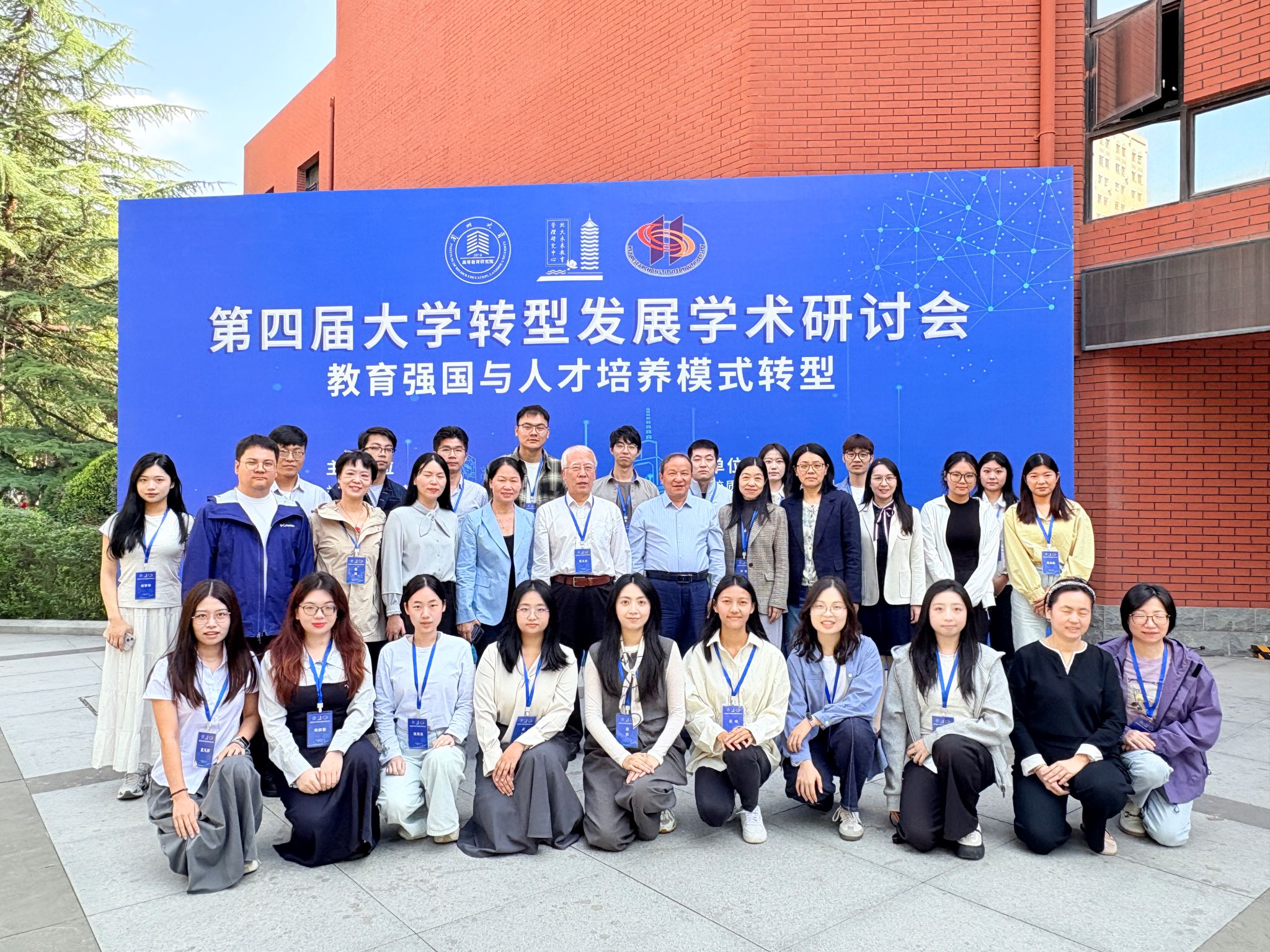
On September 26, 2025, the 4th Academic Symposium on University Transformation and Development—jointly hosted by the Institute of Higher Education at Lanzhou University, the Center for Future Education Management at Peking University, and the Center for Higher Education Development of Xiamen University—was held in Lanzhou, Gansu Province. Professor Wu Daguang, Chair of our University Council and former Vice-President, Professor Bie Dunrong, Dean of the Institute of Education, and Professor Liu Zhentian, former Party Secretary of the Institute of Education, attended as invited guests. Assistant Professor Yi Mengchun and more than 20 master’s and doctoral students also participated.
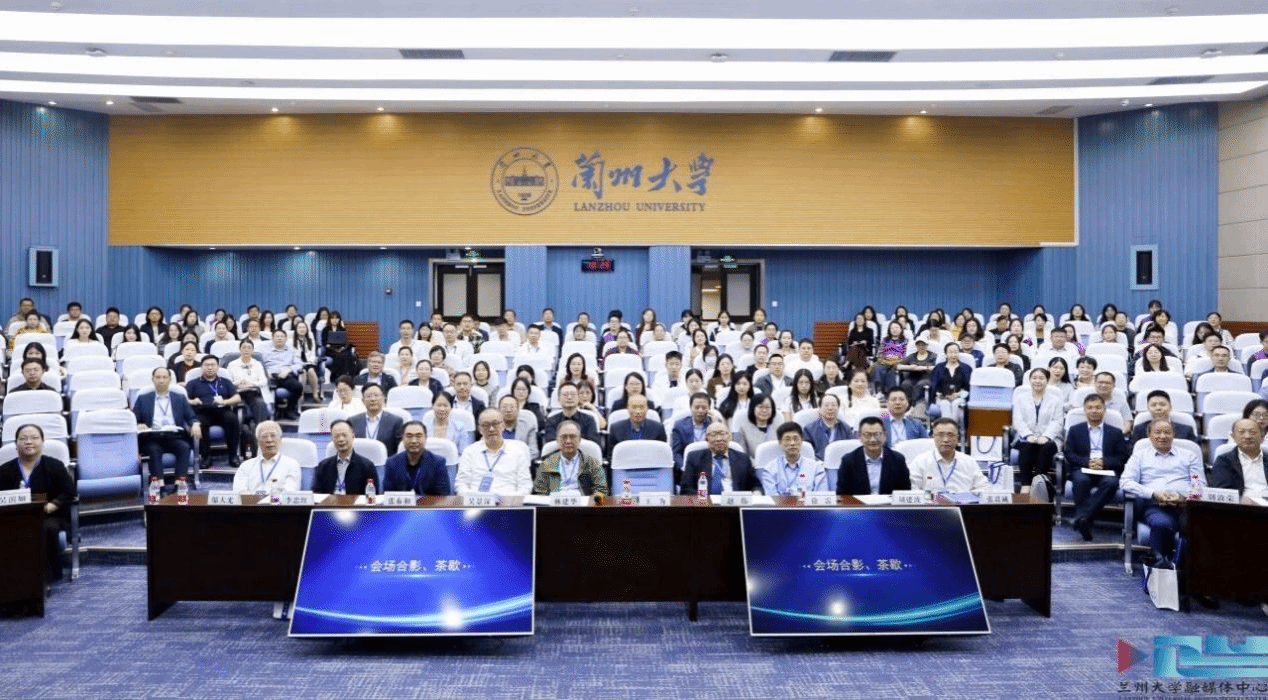
Centered on the theme “Building an Education Powerhouse and Transforming Talent-Development Models,” the symposium brought together leading scholars to map out next-generation approaches to cultivating talent. Distinguished participants included Lin Jianhua, former President of Peking University and Director of its Center for Future Education Management; Zhao Wei, eighth President of the University of Macau and Provost of Shenzhen University of Advanced Technology; Wu Jingshen, Vice President of HKUST (Guangzhou); Xi Youmin, President of Xi’an Jiaotong-Liverpool University; and Xu Lei, former Vice President of Fudan University. Professor Wu Daguang opened the conference, Professor Bie Dunrong chaired the plenary forum, and Professor Liu Zhenton moderated the breakout session on “Transforming Talent-Development Models in Research Universities.”
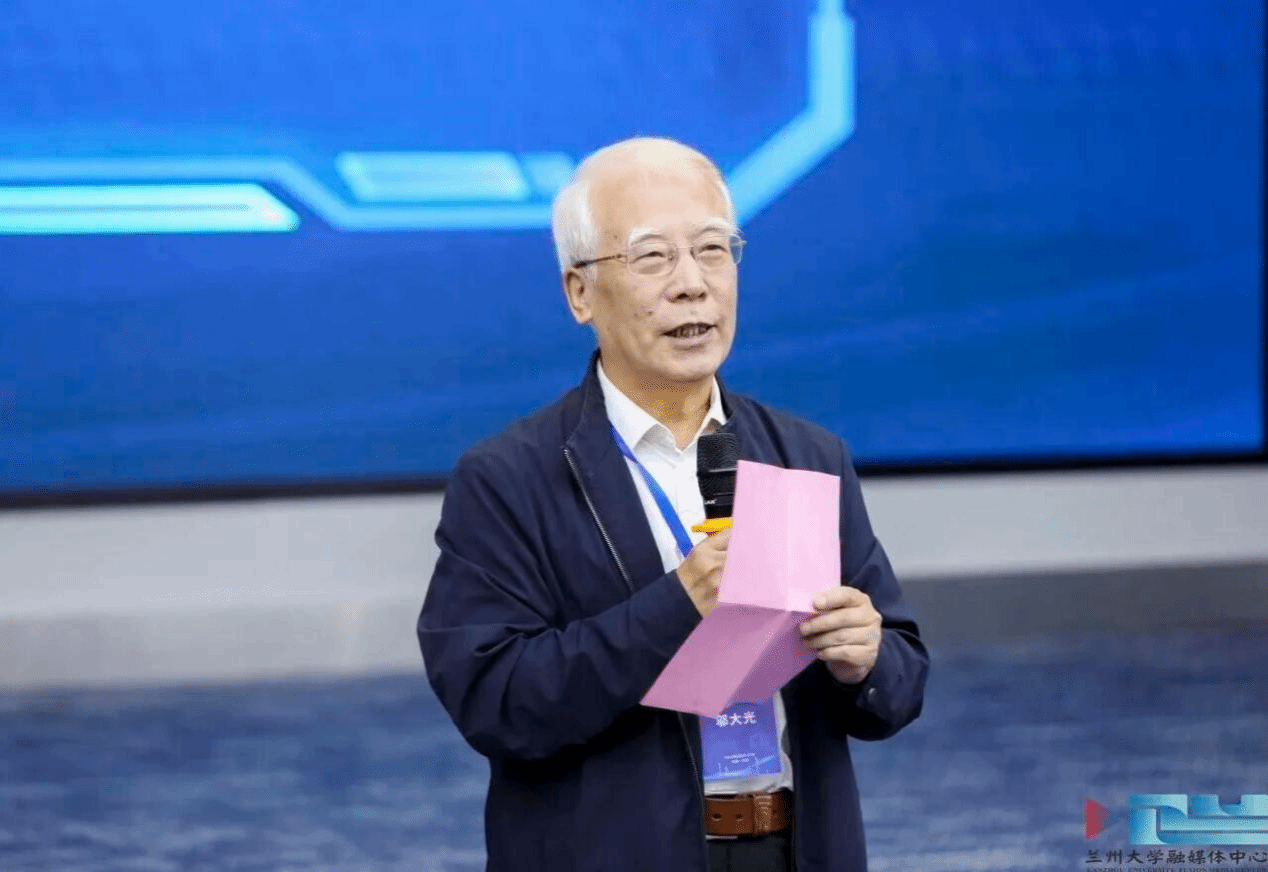
Professor Wu Daguang extended a warm welcome to all attendees. In his opening remarks, he emphasized that university transformation is a systemic endeavor and expressed the hope that experts and scholars would seize this symposium as an opportunity to actively explore and exchange theories and practical models of university transformation suited to China’s national conditions.
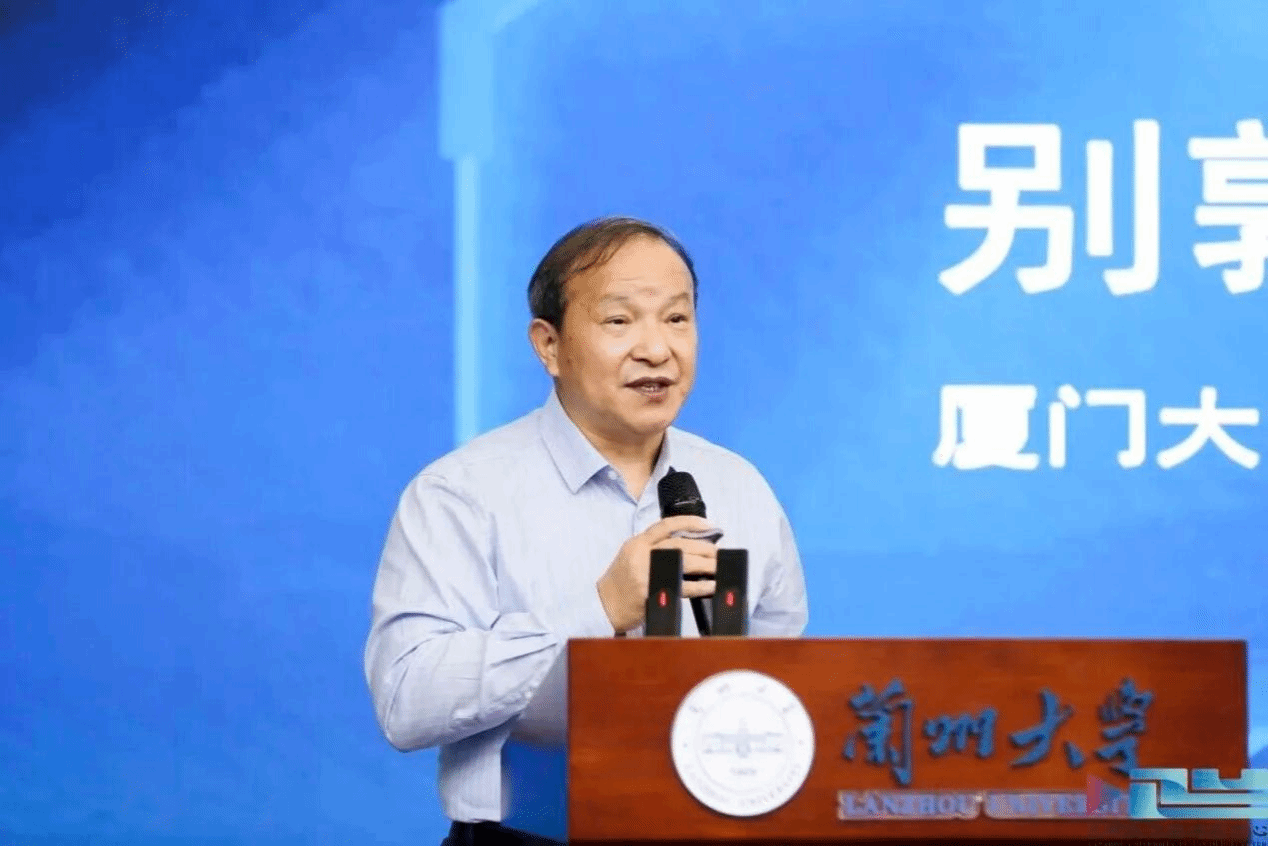
Professor Bie Dunrong praised the symposium for its openness and intellectual diversity. He noted that the plenary presentations were both brilliant and wide-ranging, with experts offering fresh perspectives on the evolution of higher education, the building of interdisciplinary universities, talent cultivation in the digital-intelligence era, reforms to talent-training models within world-class universities, the development of high-skilled personnel, and the transformation of regional institutions.
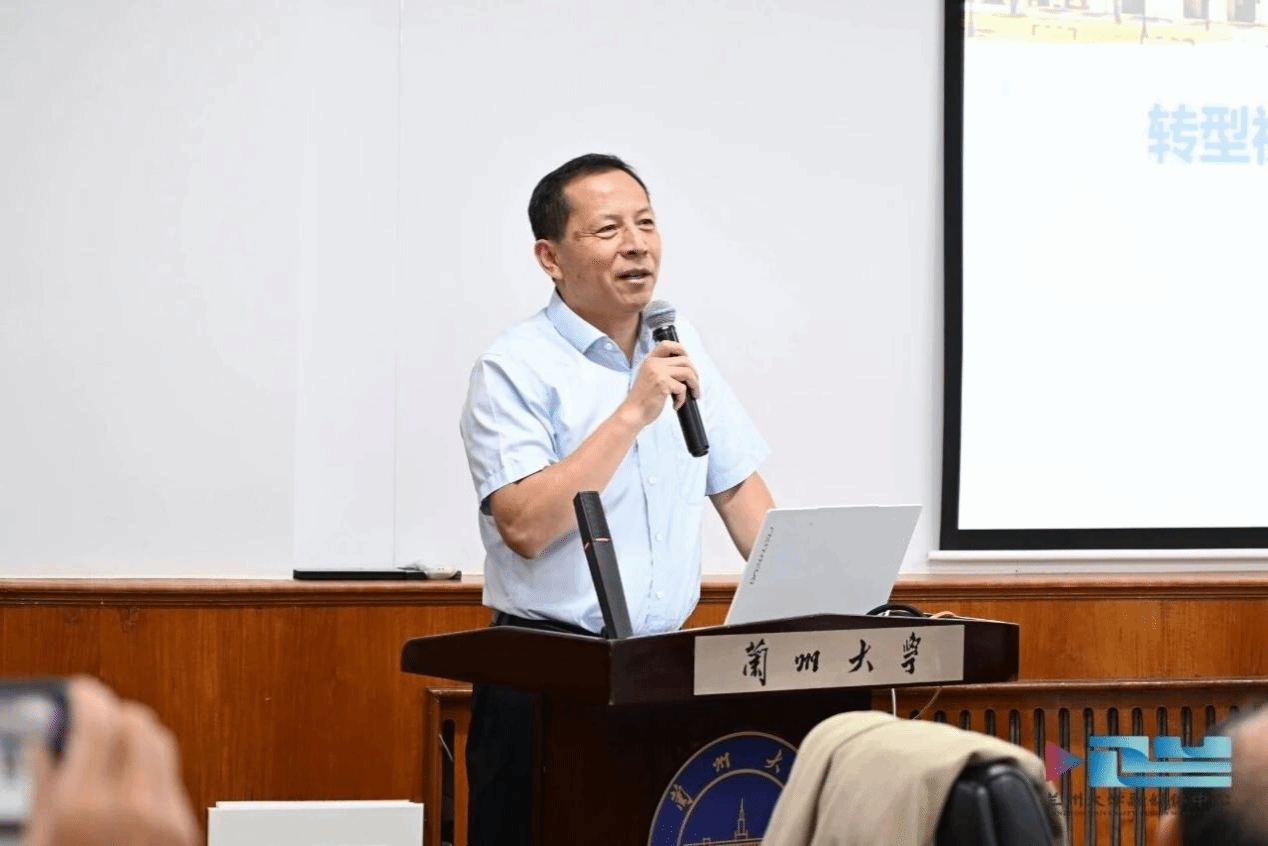
Professor Liu Zhentian delivered a keynote titled “Promoting Differentiated Reform and Development in Universities from the Perspective of Transformation.” He argued that the transformation of higher education is the prerequisite for diversified development, while differentiation is the concrete manifestation of this transformation. Overall, the overarching goal is to shift from traditional to modern models of education. At present, application-oriented universities must sharpen their institutional mission and talent-cultivation objectives, clarifying exactly whom they are training, how they will train them, and with what resources.
The “Symposium on University Transformation and Development” is a standing academic series launched by Center for Higher Education Development of Xiamen University, Peking University Center for Future Education Management, and Lanzhou University Institute of Higher Education. This fourth edition drew more than 200 scholars and student delegates from across China. A plenary session and multiple parallel forums created a multidimensional dialogue spanning research universities, application-oriented institutions, and vocational colleges. Grounding their discussions in the needs of higher education in the new era, participants shared practical experience and cutting-edge insights on interdisciplinary integration, industry–education collaboration, digital-intelligence empowerment, and model reform, vividly demonstrating both the exploratory achievements and the sense of responsibility that Chinese universities are bringing to the transformation of talent-development models.