On 6 December 2025, the “Symposium on Higher Education Driving Regional Development and the Educational Thought of Pan Maoyuan,” co-hosted by our institute, Suzhou City University, and Xiamen Nanyang Vocational College, was successfully held on the Suzhou City University campus. More than 300 scholars, experts, and student delegates from universities nationwide attended. Representing our institute were Dean Bie Dunrong, Vice-Deans Zhao Tingting and Wang Shutao, Associate Professor Chen Bin (Director of the Institute of Educational Theory and History), and a number of doctoral and master’s students.
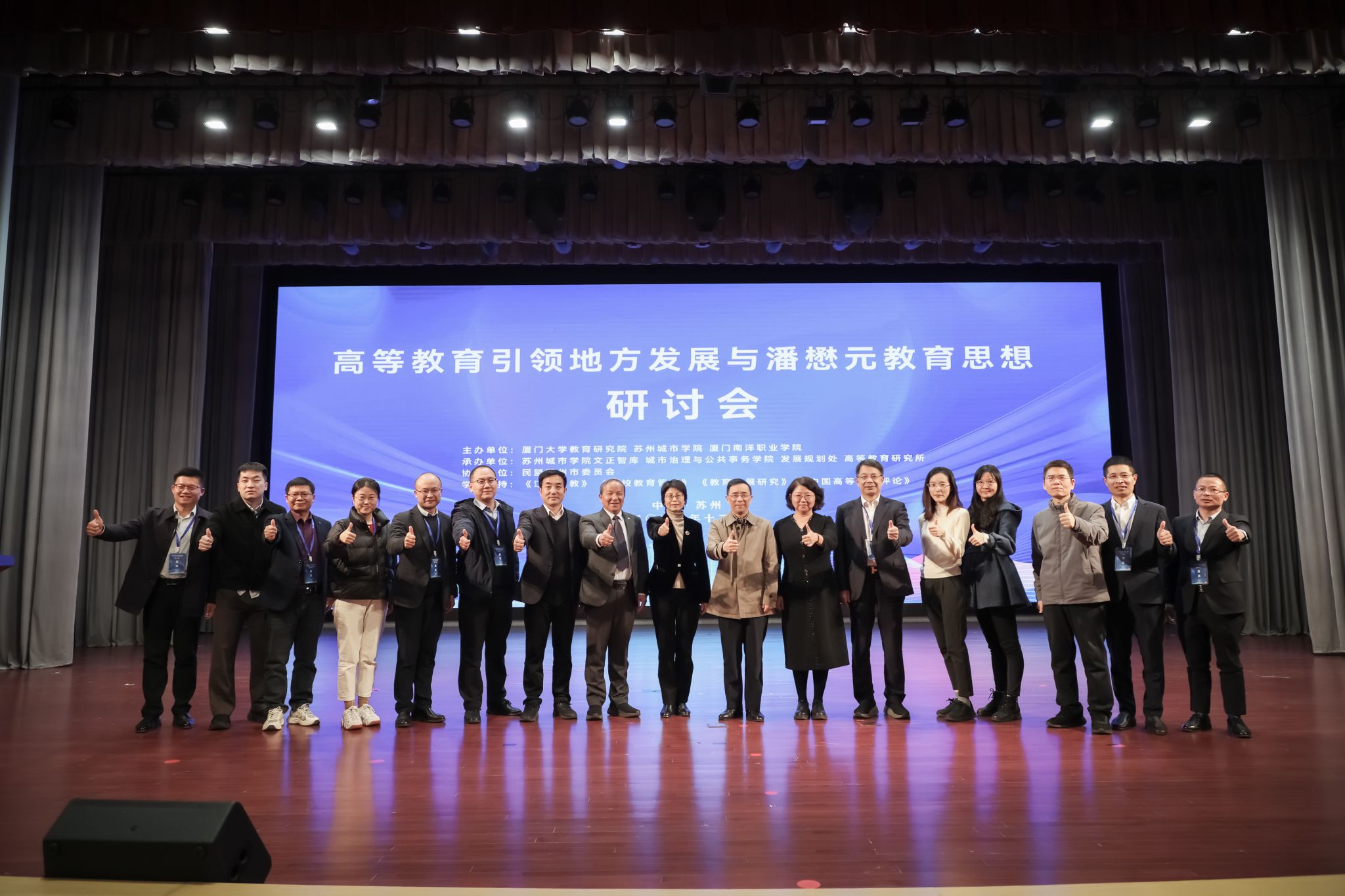
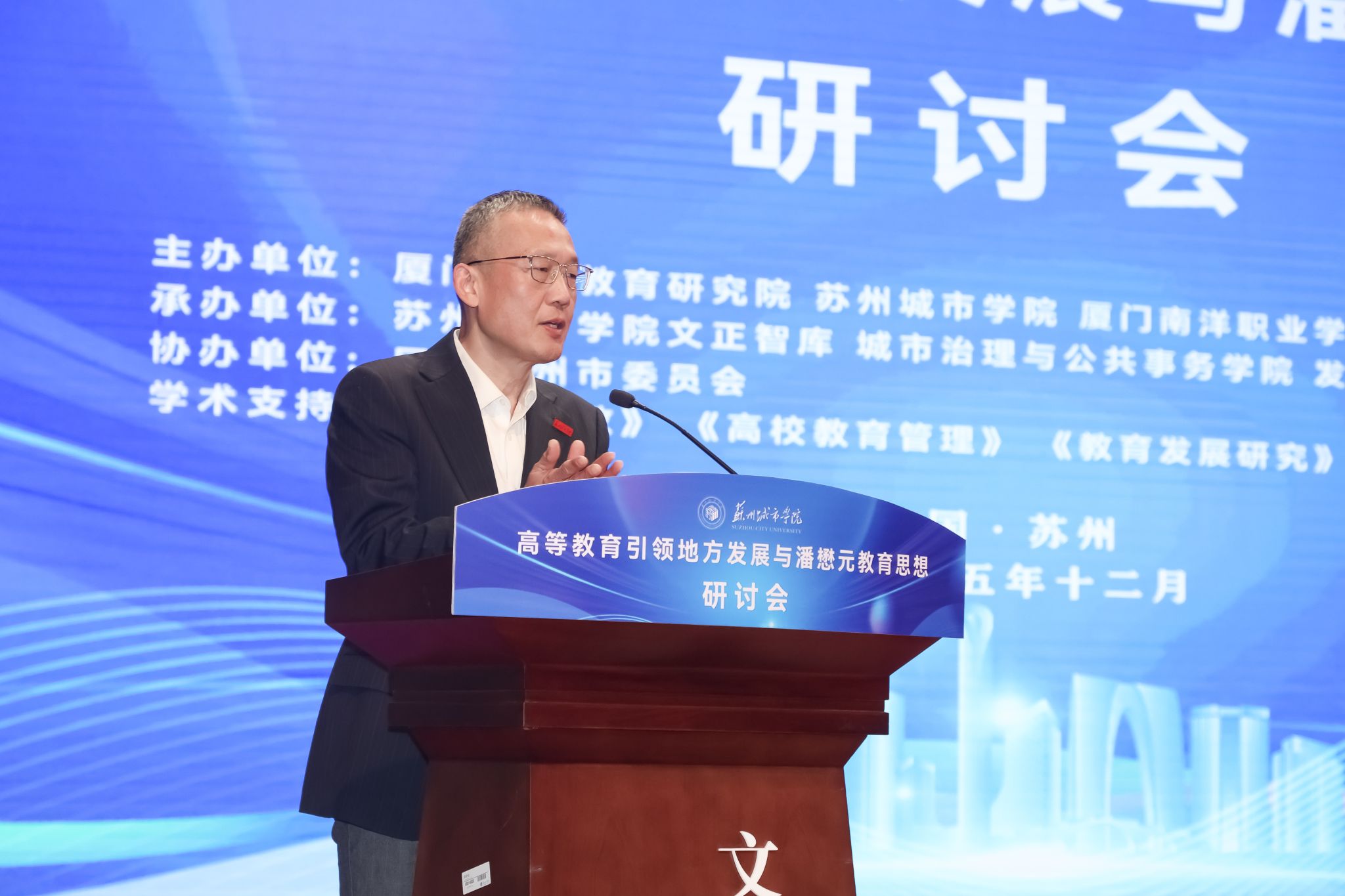
The opening ceremony was chaired by Huang Jianqiu, member of the Party Committee Standing Committee and Vice President of Suzhou City University.
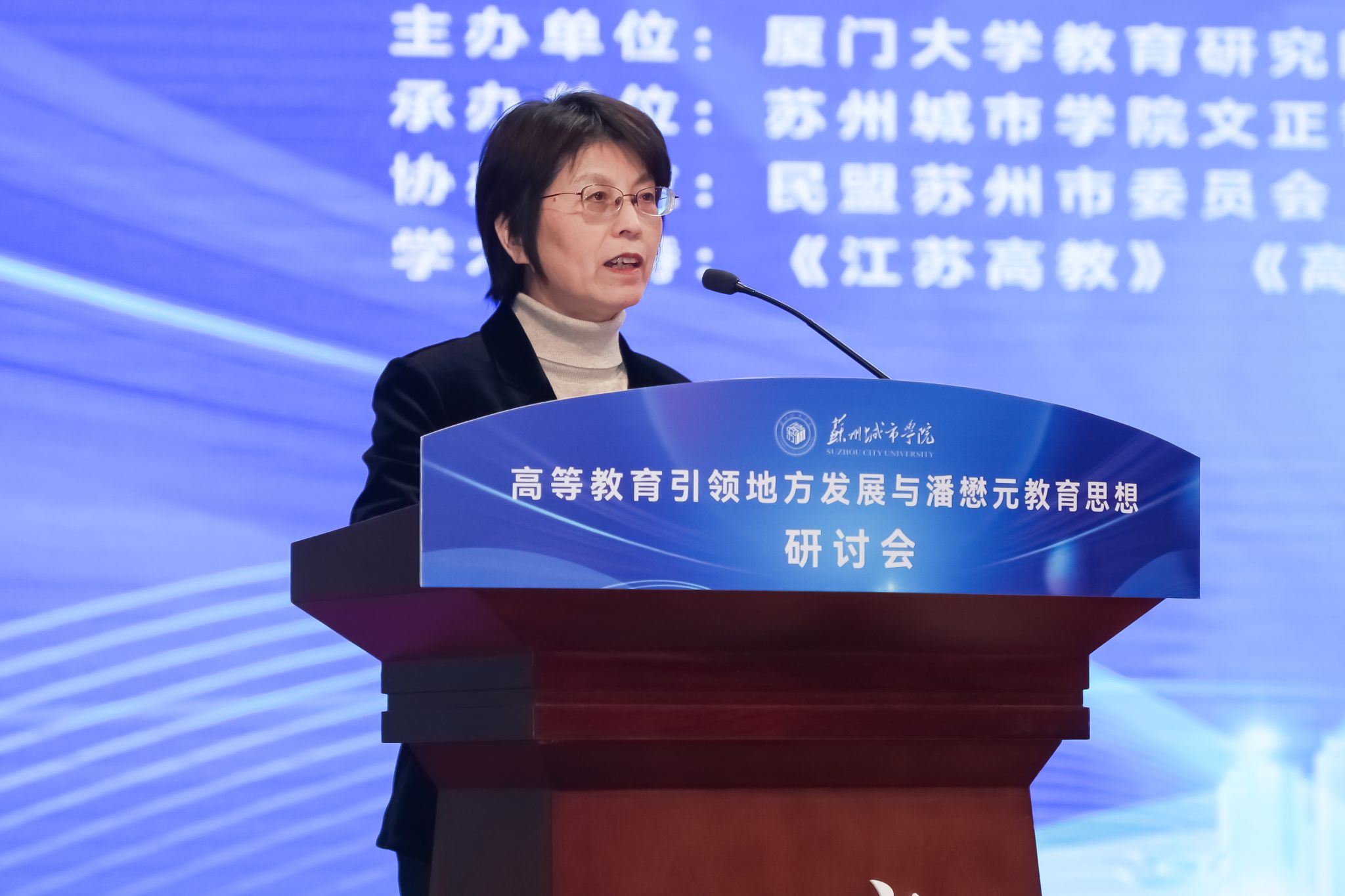
In her opening address, Zhou Yuling, Party Secretary of Suzhou City University, extended a warm welcome and heartfelt thanks to all guests. She stressed that, confronted with the new mandate of building a strong education nation, there is an urgent need to draw wisdom from Pan Maoyuan’s educational thought, to probe the path of higher-education development with Chinese characteristics, and to craft university-growth models that fit the realities of the nation, the province, and the city.
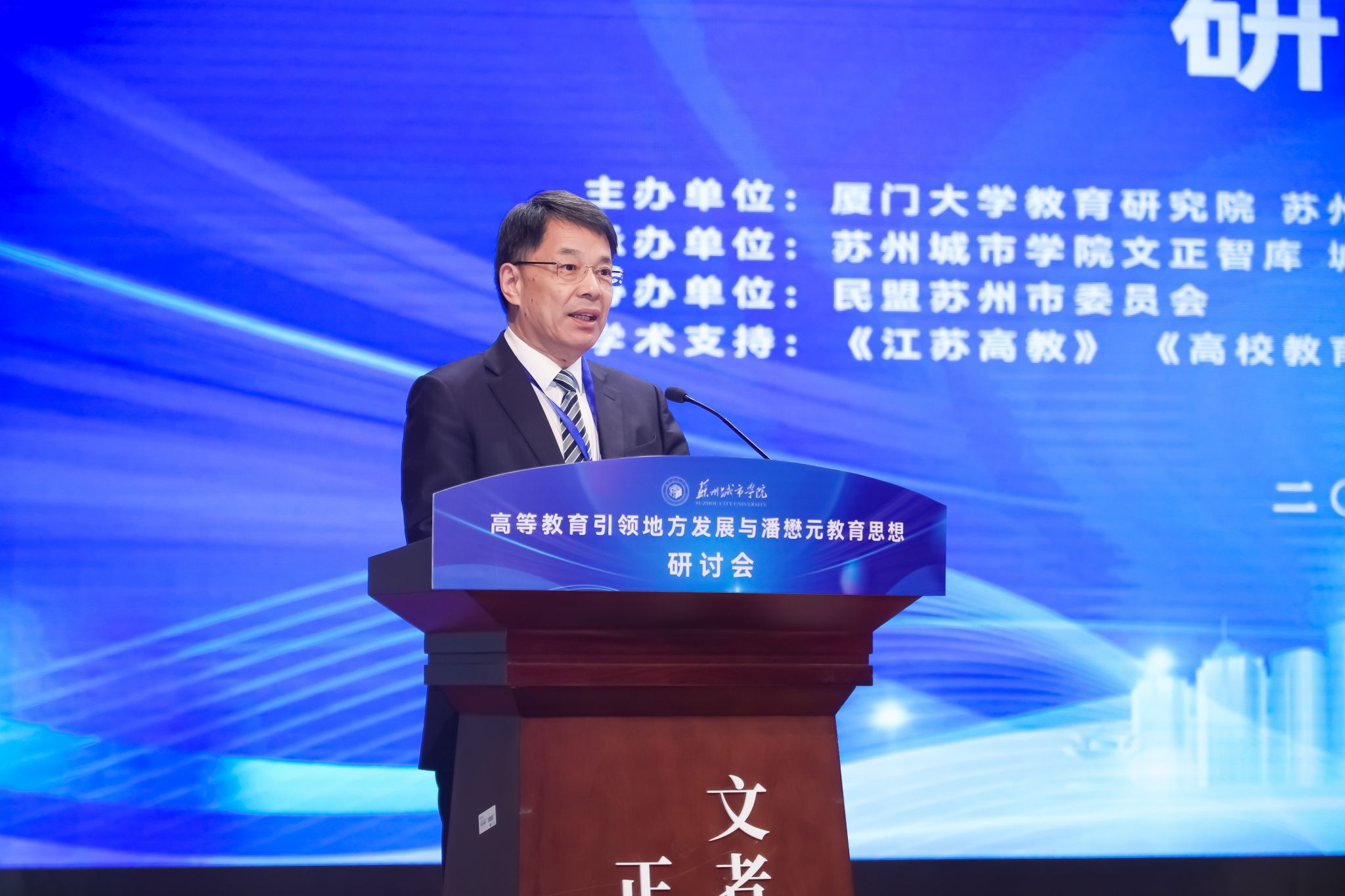
At the opening ceremony, Lu Jiasheng, founder of Xiamen Nanyang Vocational College and chairman of Nanyang Education Investment, explained the original intention of holding the symposium on Pan Maoyuan’s educational thought, calling on more universities and academic colleagues to join hands in carrying forward Mr. Pan’s educational philosophy.
In Vice-Dean Zhao Tingting’s address, she paid heartfelt tribute to Mr. Pan Maoyuan and underscored the enduring theoretical value and practical guidance of his ideas. She emphasized that higher education’s role in spearheading regional development has become a pressing national issue—one that Pan himself began exploring decades ago. With today’s increasingly regionalized socio-economic landscape, universities must embed themselves within national, provincial, and local development blueprints, anticipate strategic and economic needs, re-engineer disciplinary structures and talent pipelines, and cultivate research ecosystems that accelerate talent aggregation, resource integration, and technology transfer. Only by systematically amplifying their capacity for innovation and social service, she argued, can universities deliver the high-octane momentum regional high-quality development now demands.
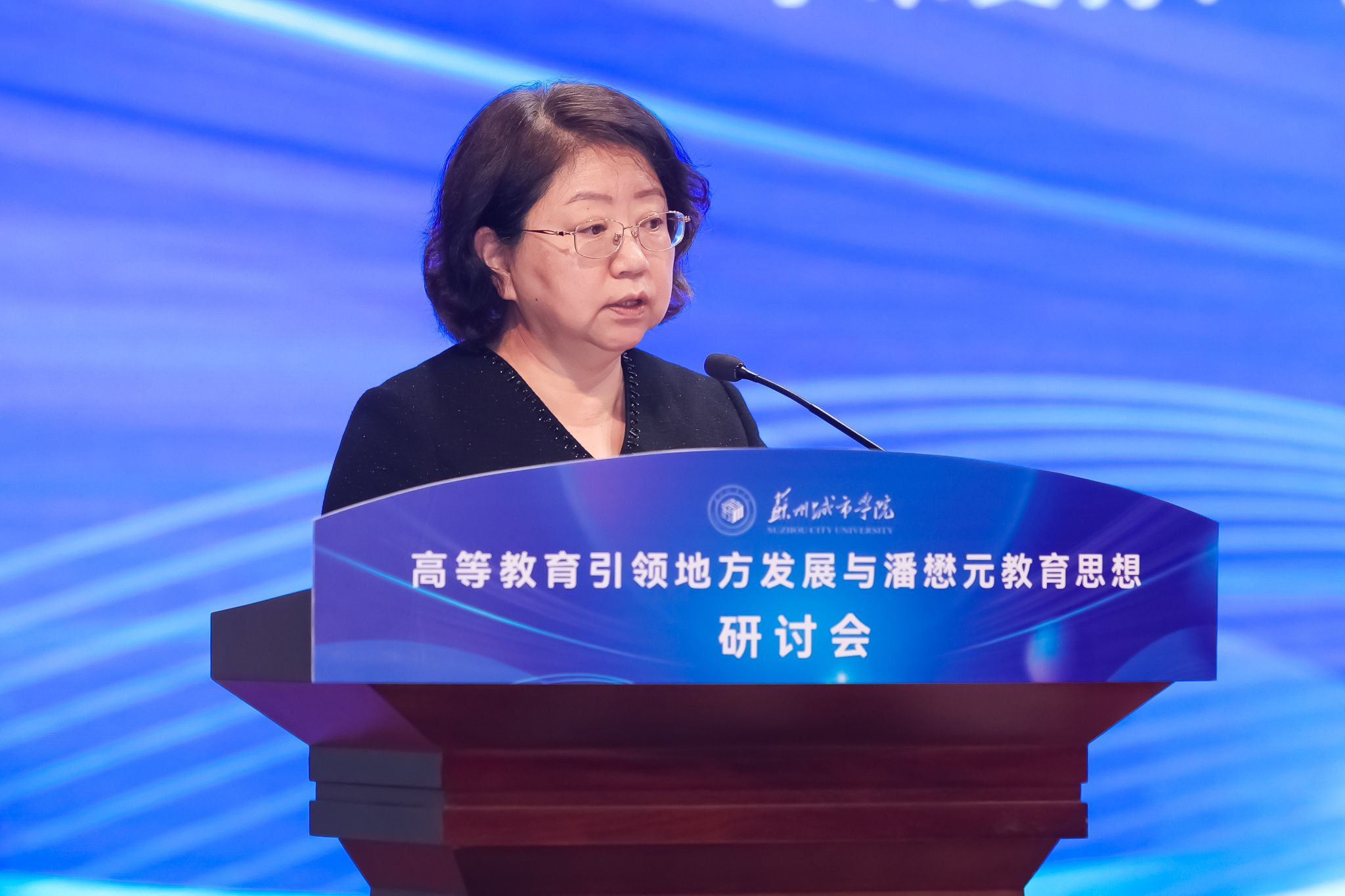
The keynote segment was a tour de force. Pan Shiping, former Party Secretary of Xiamen City Vocational College; Prof. Hu Jianhua, Nanjing Normal University; Prof. Zhou Chuan, Soochow University; Prof. Gu Yong’an, Suzhou Institute of Technology’s Research Center for Application-Oriented Universities; Prof. Zhang Kewen, Guizhou University of Finance and Economics; Researcher Huang Jianqiu, Vice President of Suzhou City University; Prof. Han Wei, Southern University of Science and Technology; Prof. Wang Shutao, our own Vice-Dean; and Prof. Li Jun, Executive Director of the Faculty of Education at Shenzhen University, delivered keynote addresses, each offering cutting-edge research and hard-won practical insights on the conference theme.
Across four parallel panels, 38 scholars engaged in lively, in-depth discussions on:
1. “Pan Maoyuan’s Educational Thought and Universities’ Role in Serving and Leading Regional Development”
2. “Building a Strong Education Nation and Universities’ 15th Five-Year Development Planning”
3. “Pathways to Building Strong Education Provinces, Cities, and Counties”
4. “Artificial Intelligence and the Reform of University Talent-Cultivation Models”
At the closing ceremony, Dean Bie Dunrong gave a high appraisal of the symposium’s achievements, stressing that its centerpiece was the spotlight it threw on the cutting-edge theme of “higher education as the engine of social development”—a focus that dovetails perfectly with Pan Maoyuan’s educational philosophy and underscores both its scholarly value and real-world relevance. “Higher education driving local development,” he emphasized, is a cornerstone of Pan’s thought. As early as 1995, Pan was already calling for universities to reach out to rural areas, a prescient plea whose deeper import was precisely that higher education should lead local—and therefore social—advancement. Pan’s lifelong concern for regional institutions, vocational colleges, newly established universities and application-oriented undergraduate programs sprang not from abstract theory but from the twin imperatives of higher education’s own evolution and the needs of Chinese-style modernization. Continuing to study Pan Maoyuan’s educational ideas, Dean Bie concluded, is at once a profound act of remembrance and a way to honor Pan’s lifelong quest for the discipline and enterprise of higher education. He expressed the hope that the symposium’s findings will now be systematically synthesized and widely disseminated to broaden their reach and impact, and he urged colleagues across the field to join future discussions of Pan’s thought, deepening inquiry, passing the torch, and vigorously promoting both his educational philosophy and his spirit as an educator, so that they become a lasting force propelling high-quality development in higher education.
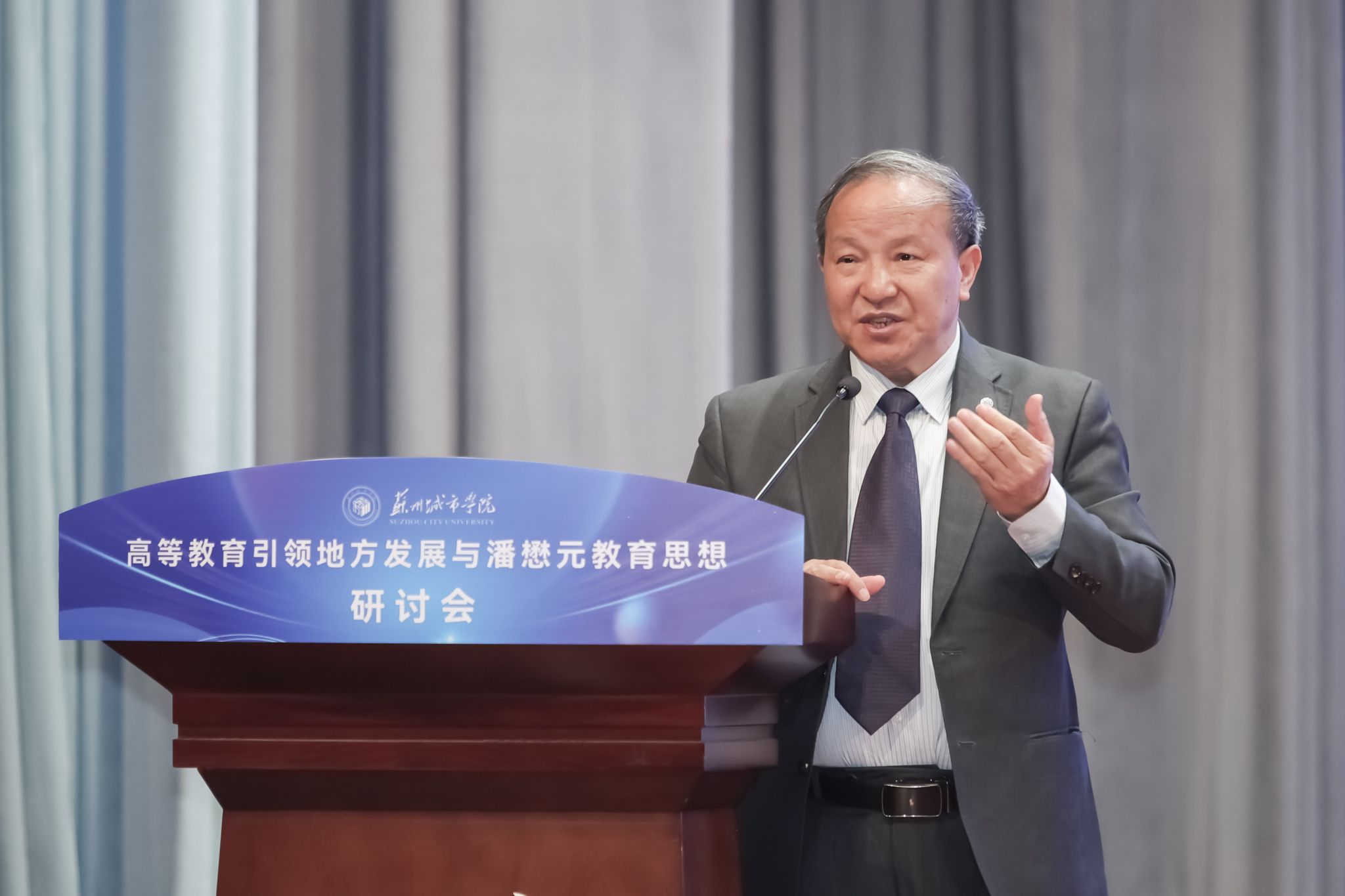
Bringing together a wide spectrum of scholars and university leaders, the symposium—through its keynote speeches and parallel forums—both deepened theoretical understanding of Pan Maoyuan’s educational thought and furnished solid academic grounding and practical pathways for higher education to better guide and serve regional economic and social development, thereby helping build China into an education powerhouse.