From November 21 to 23, 2025, the 7th National Postgraduate Academic Forum on Higher Education was held at Xiamen University. More than 400 participants, including experts in higher education research, journal editors, and young scholars from over 60 universities and research institutions nationwide, attended the event. With the core theme of "Building a Powerful Education Nation and Higher Education Reform in the Digital-Intelligent Era," the forum was co-hosted by the Institute of Education of Xiamen University, the School of Education, Huazhong University of Science and Technology, and the School of Education, Nanjing University. It was organized by the Graduate Student Union of Xiamen University's Institute of Education and co-sponsored by Chaoxing Fanya Group.


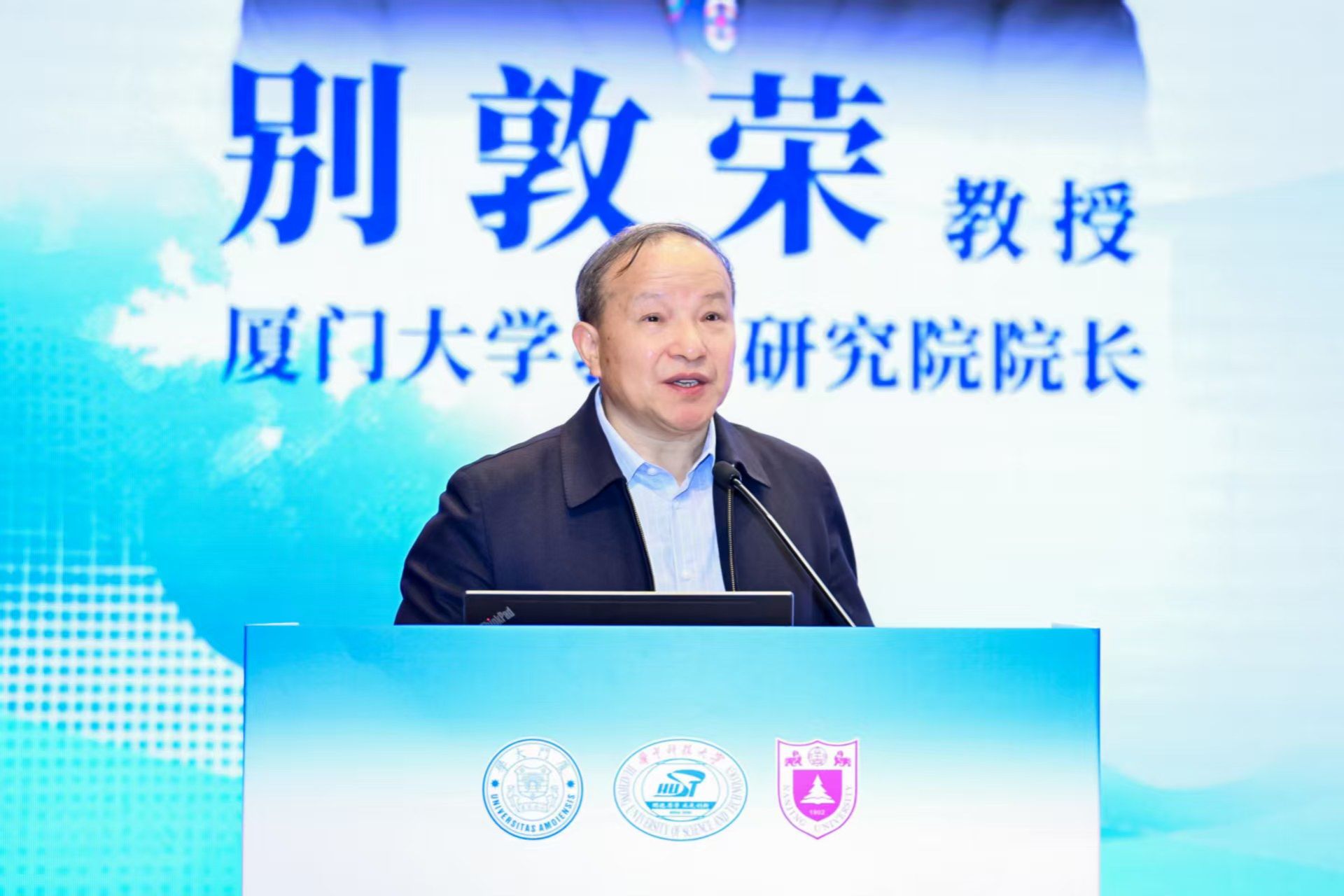
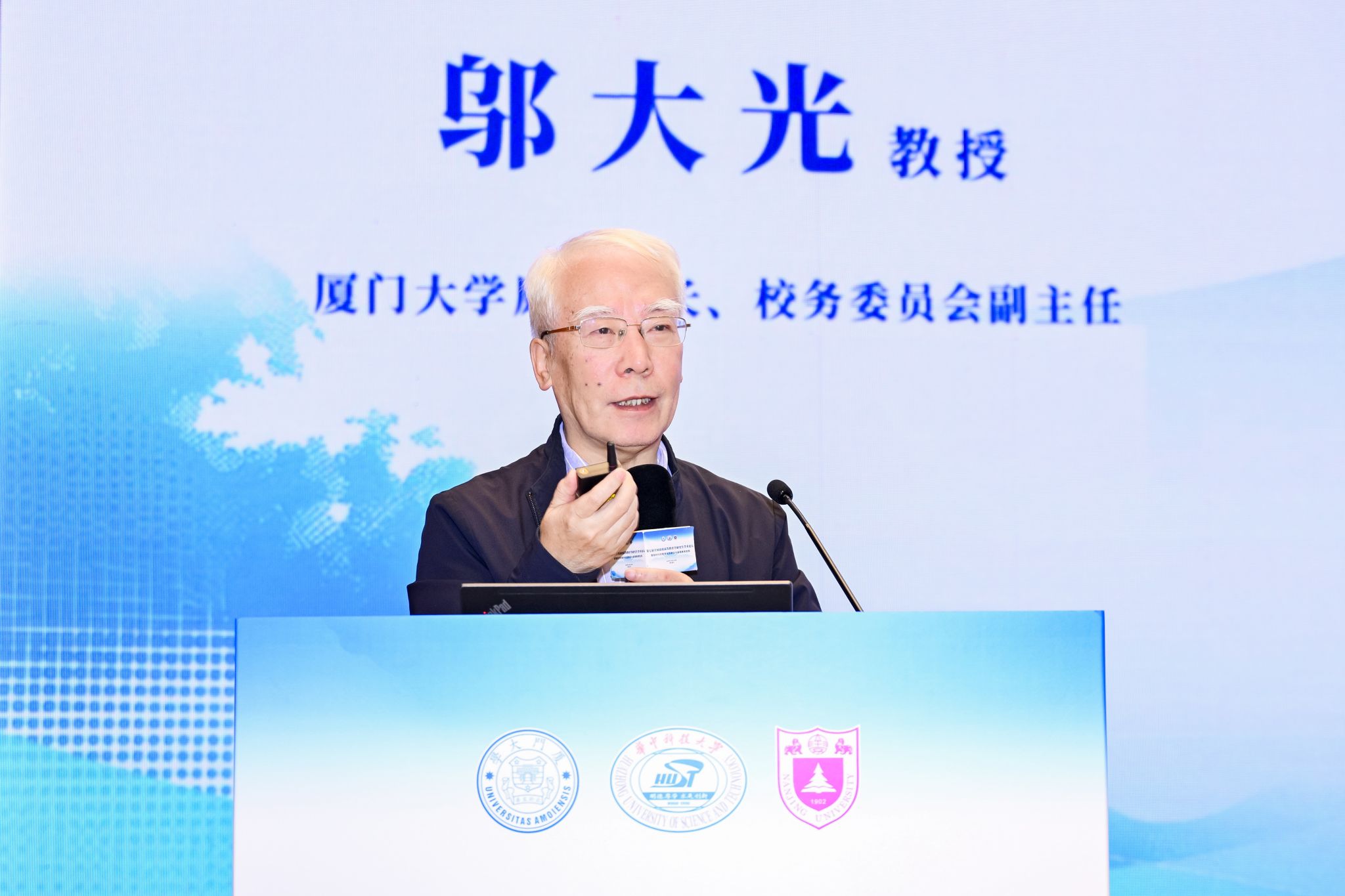
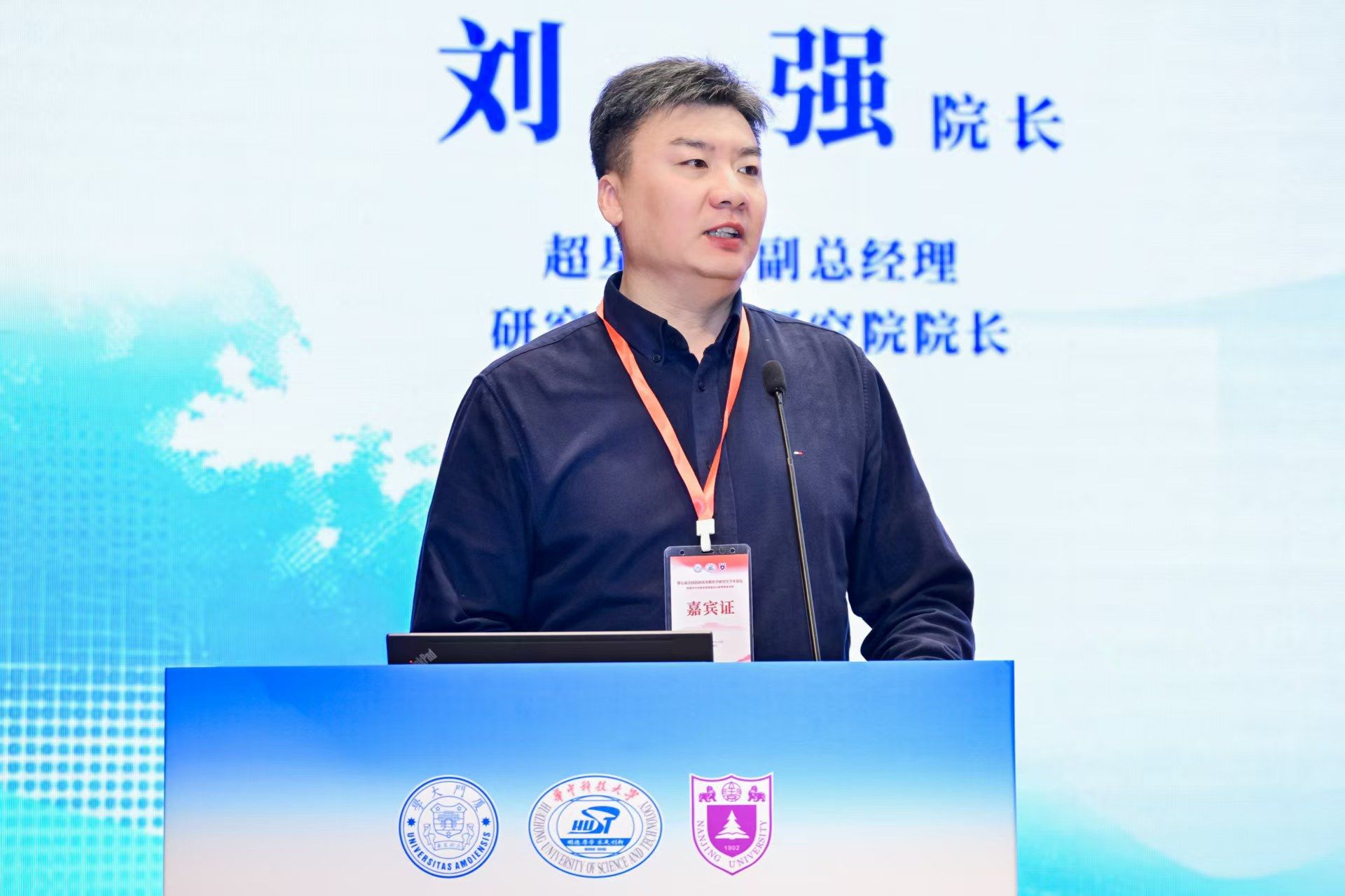
On the morning of November 22, the opening ceremony took place at the Concert Hall of Xiamen University's Science and Art Center, hosted by Cheng Feiya, a PhD candidate from the university's Institute of Education. Professor Bie Dunrong, Dean of the Institute of Education, delivered a welcome speech. He warmly greeted the distinguished guests, experts, and young scholars in higher education from across the country, and introduced the professional contributions of invited guests such as Professor Luo Qingming, Member of the Chinese Academy of Sciences and President of Hainan University; Professor Wu Daguang, former Vice President of Xiamen University; Professor Yan Guangcai, Director of the Institute of Higher Education at East China Normal University; and Liu Qiang, Deputy General Manager of Chaoxing Fanya Group and Dean of its Institute of Education. Professor Bie also shared Xiamen University's educational philosophy of upholding its founding mission and maintaining a pure academic tradition, as well as the advantages of the Institute of Education in developing the discipline of higher education by leveraging its unique geographical location and cultural heritage. He emphasized that the forum, co-founded and rotated by Xiamen University, Huazhong University of Science and Technology, and Nanjing University, is an academic exchange platform independently planned and operated by postgraduates for master's and PhD students in higher education nationwide. He expressed hope that the forum would serve as an academic link for young scholars to communicate, amplify their voices, and mark a new starting point for their growth.
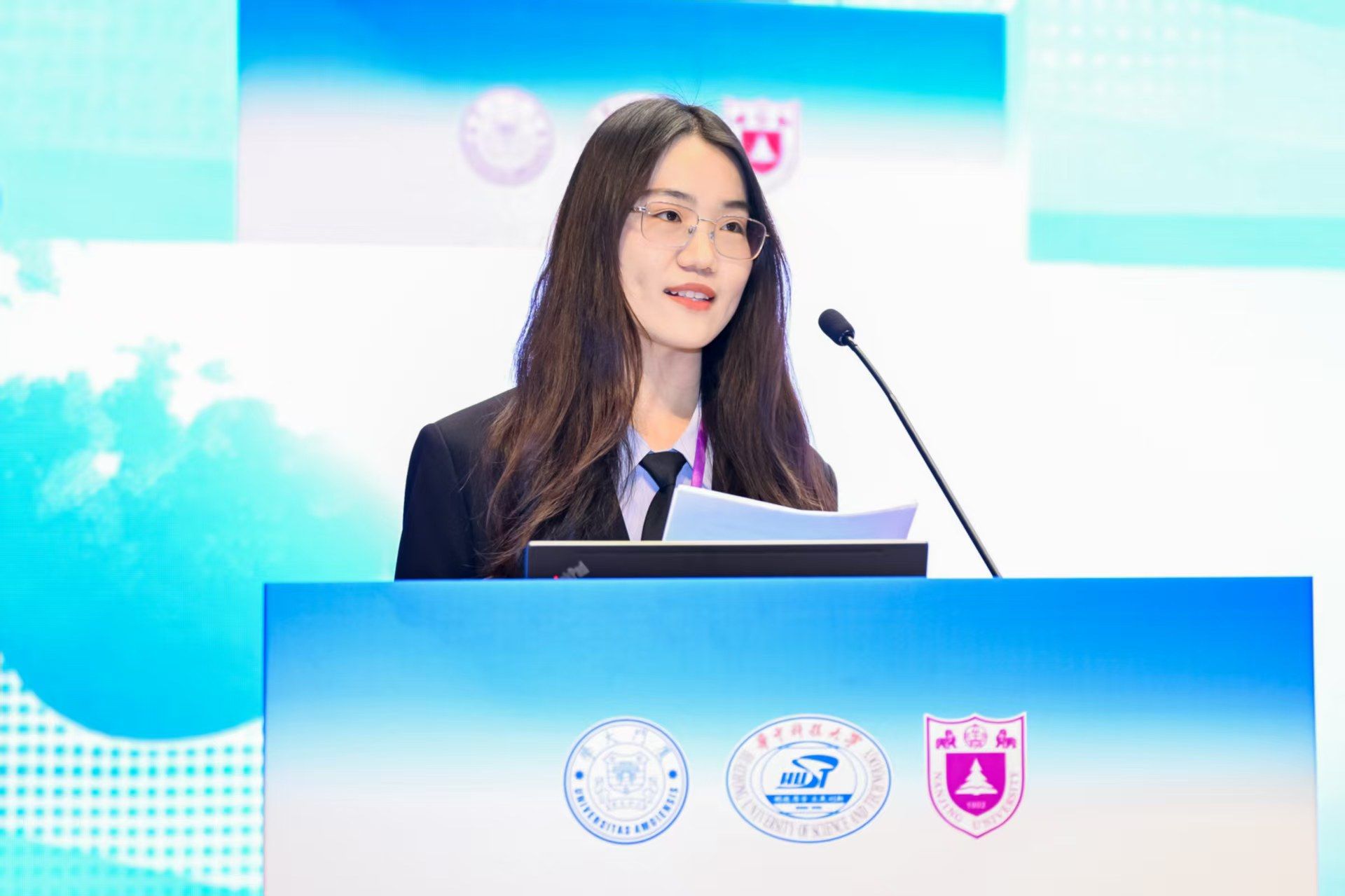
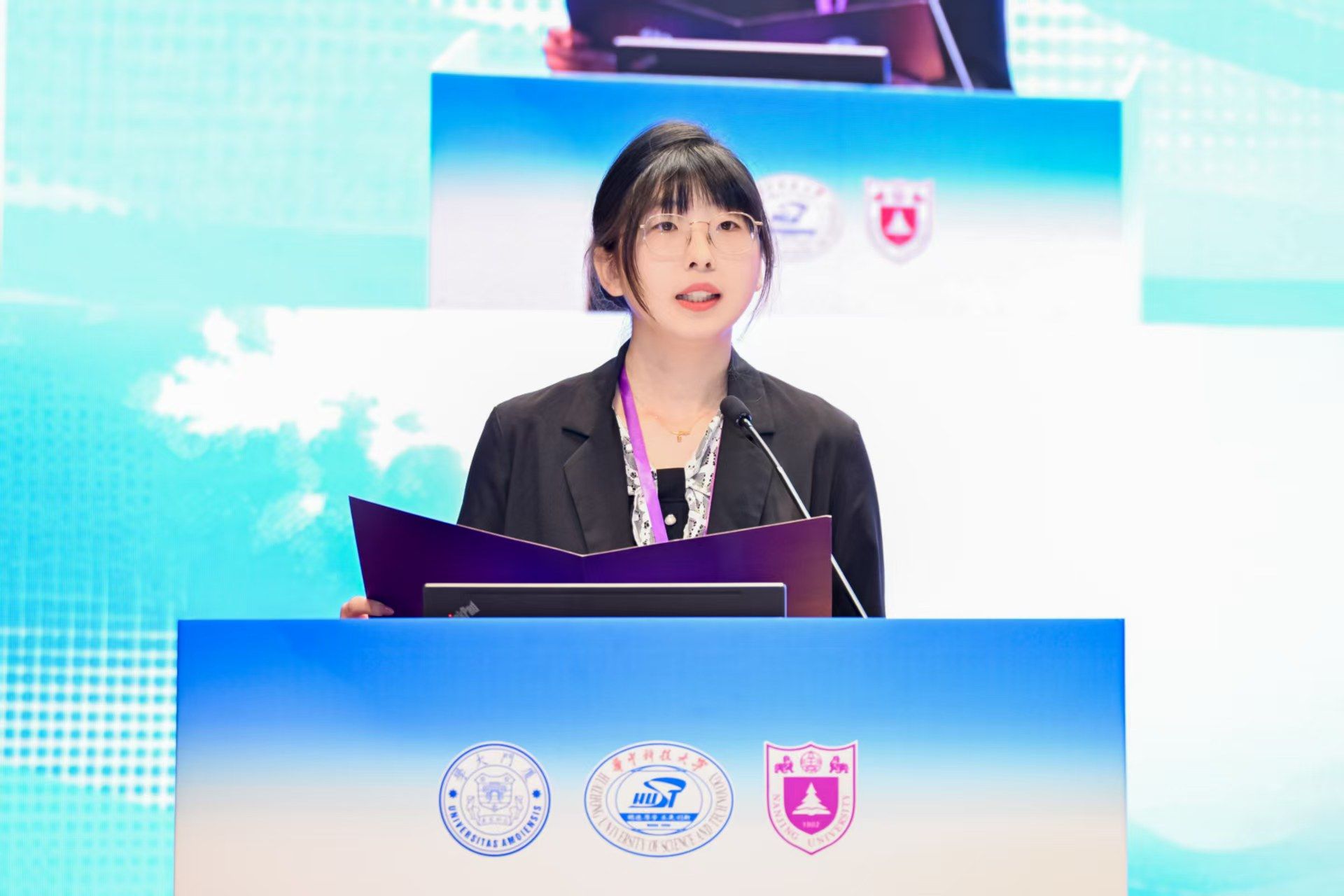
Kang Rui, Chairman of the Graduate Student Union of the School of Education, Huazhong University of Science and Technology, and Wang Yunni, Chairman of the Graduate Student Union of the School of Education, Nanjing University, delivered speeches on behalf of the co-hosts, sharing their insights and expectations for the development of the higher education.
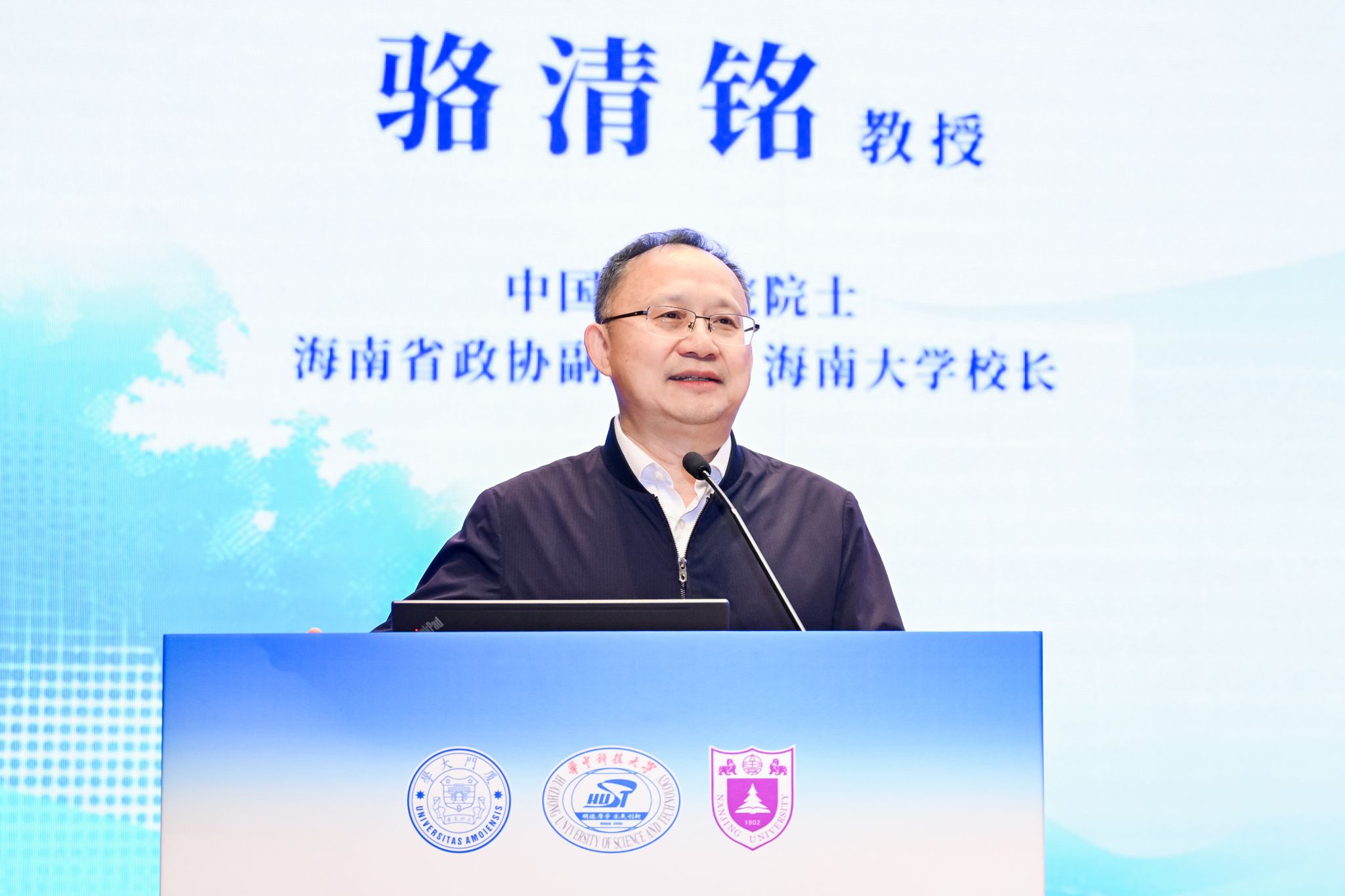
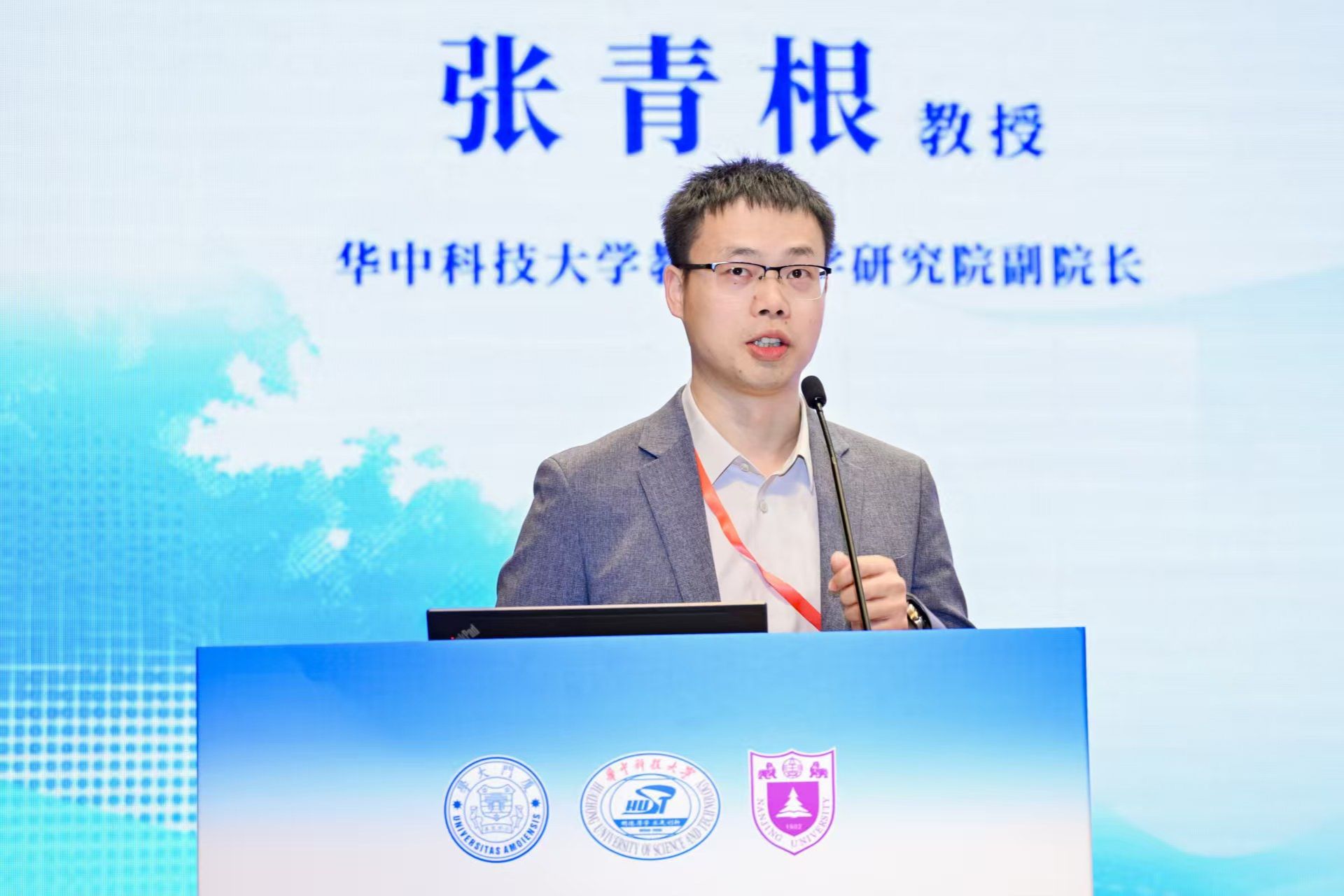
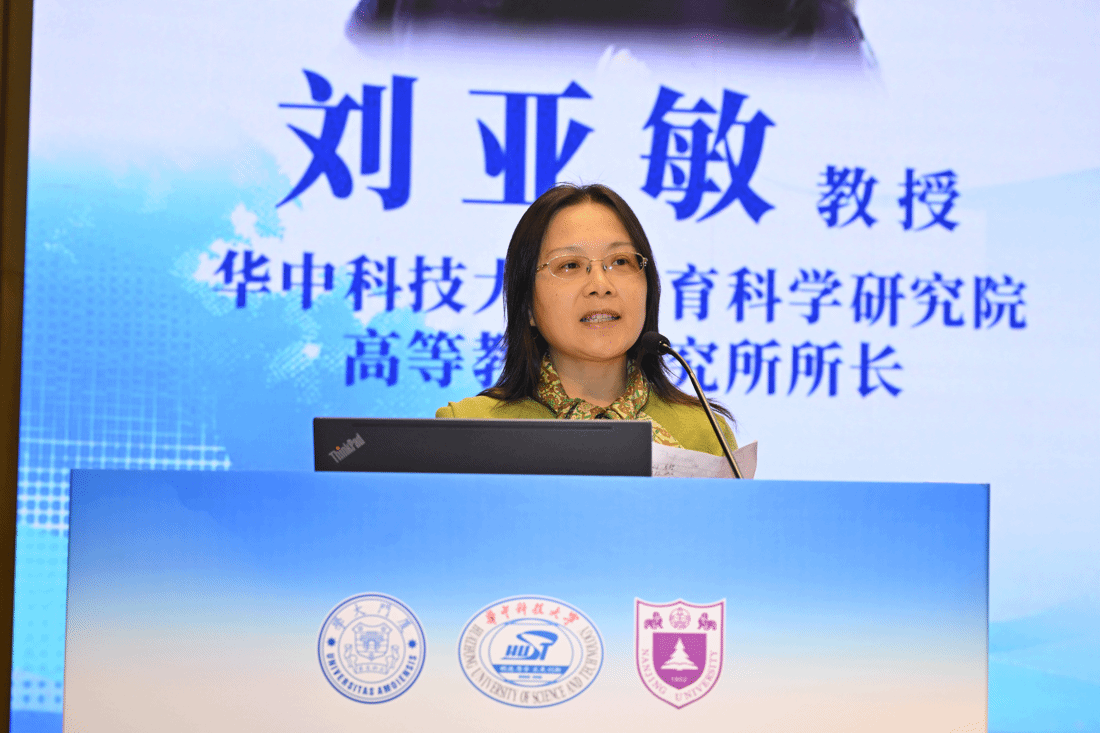
Following the opening ceremony, the keynote report session kicked off grandly. Academician Luo Qingming, Professor Wu Daguang, Professor Yan Guangcai, Professor Yu Xiulan, Associate Professor Zhang Qinggen, and Dean Liu Qiang took turns to deliver speeches. They focused on core topics including the development strategies of local universities, theoretical innovation in higher education research, dilemmas in educational empirical research, cultivation of top-notch innovative talents, nurturing academic aspirations of students in basic disciplines, and AI-enabled postgraduate education, sharing cutting-edge research findings and profound academic insights. The reports, combining theoretical depth with practical guidance, broadened the academic horizons of young scholars.


Continuing the parallel forum format, the event set up seven sub-forums, which were held simultaneously at multiple venues including Xiamen University's Science and Art Center and Huang Yihong Building of the Institute of Education. Closely aligned with the core theme, the sub-forums focused on hot topics such as "New Quality Productive Forces and Optimization of Higher Education Structure," "AI Empowering Education Evaluation Reform and Interdisciplinary Talent Training," and "Deepening the Integration of Production and Education and the Growth of Top-notch Innovative Talents." They provided a high-quality academic platform for young researchers in higher education nationwide to conduct in-depth discussions, exchange ideas, and share achievements.
Nearly 100 postgraduate representatives from over 60 universities and research institutions, including Tsinghua University, Peking University, Nanjing University, Huazhong University of Science and Technology, Shanghai Jiao Tong University, East China Normal University, Dalian University of Technology, and City University of Macau, presented their latest research results. The reports covered a wide range of cutting-edge topics, such as the application boundaries of AI tools in educational scenarios, mechanisms for cultivating top-notch innovative talents, paths for digital transformation in higher education, nurturing academic aspirations of postgraduates, collaborative development of higher education and regional economies, modernization of university governance, and interdisciplinary integration. These presentations included both empirical analyses of hot educational issues and theoretical explorations of the laws governing higher education development, fully demonstrating the academic acumen, problem awareness, and innovative potential of postgraduates in higher education.
Senior experts in higher education were invited as commentators for the parallel forums, including Professor Du Ruijun from Beijing Normal University; Professors Jia Yongtang, Liu Yamin, and Guo Hui from the School of Education, Huazhong University of Science and Technology; Professor Wang Yashuang from the School of Education, Nanjing University; Professors Qin Hongxia, Wu Wei, and Chen Xingde from Xiamen University; Professor Jiang Jiaqiong, Editor-in-Chief of University Education Science; Wang Zhehe, Deputy Editor-in-Chief of China Higher Education Research; Luo Siming, Deputy Editor-in-Chief of Higher Engineering Education Research; and Nan Gang, Associate Editor of Educational Development Research. The experts provided detailed comments on each presentation, fully affirming the cutting-edge nature of the topics, the standardization of research methods, and the innovation of conclusions. They also offered constructive suggestions on the focus of research questions, the adaptability of theoretical frameworks, the logical reasoning of empirical data, and the feasibility of countermeasures. Some experts engaged in in-depth discussions with the presenters on research details. The strong academic atmosphere provided valuable support for young scholars to refine their research results and deepen their studies.
The success of the parallel forums promoted cross-university academic exchange and ideological integration among postgraduates in higher education nationwide. With precise guidance from experts, the forums consolidated the research foundation of young scholars and broadened their academic horizons. The youthful wisdom and research achievements gathered at the forum not only provided fresh grassroots perspectives for the reform and development of higher education in China but also injected youthful vitality into theoretical innovation in higher education, embodying the forum's purpose of "taking academia as the link and growth as the goal."
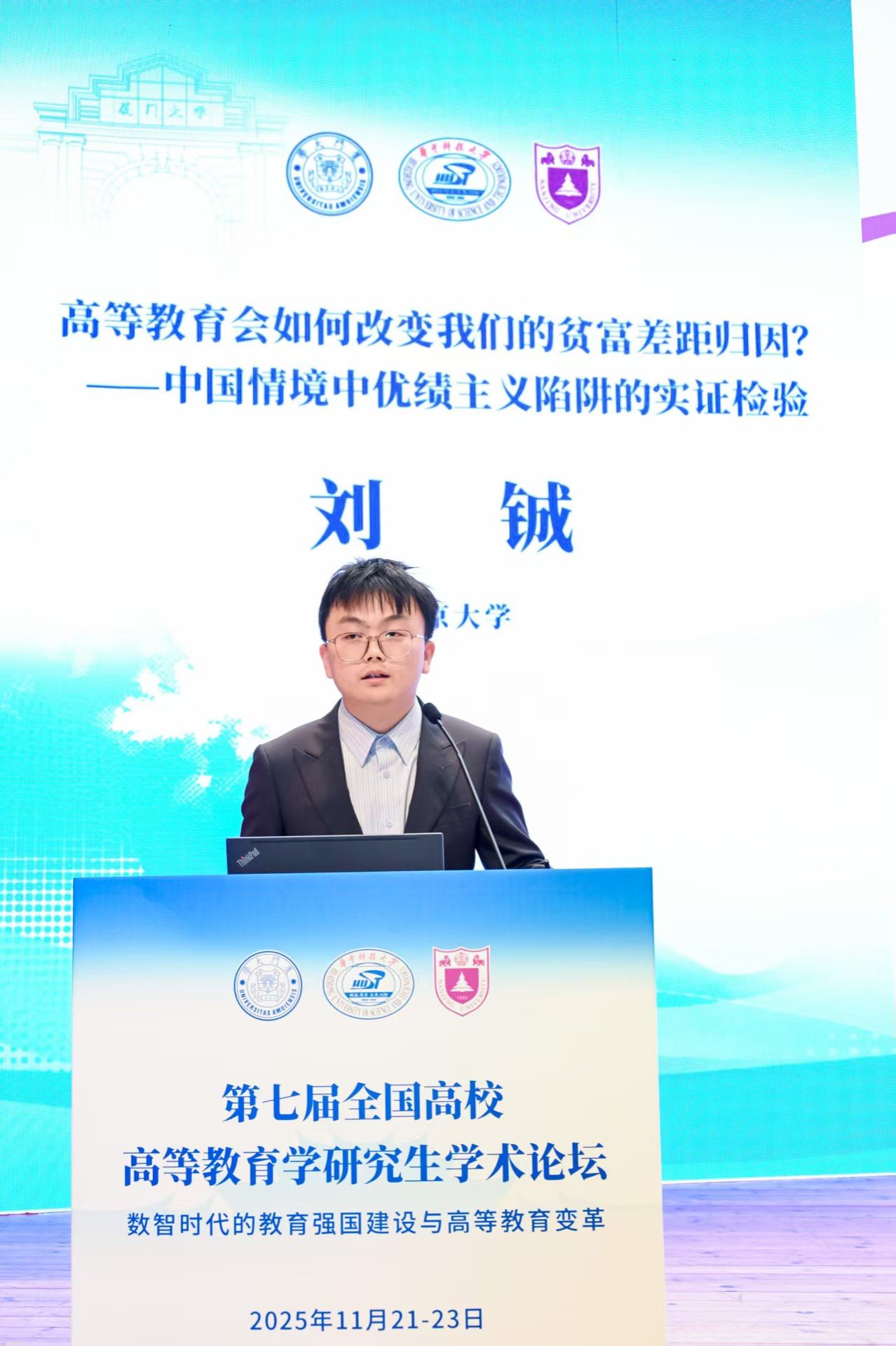
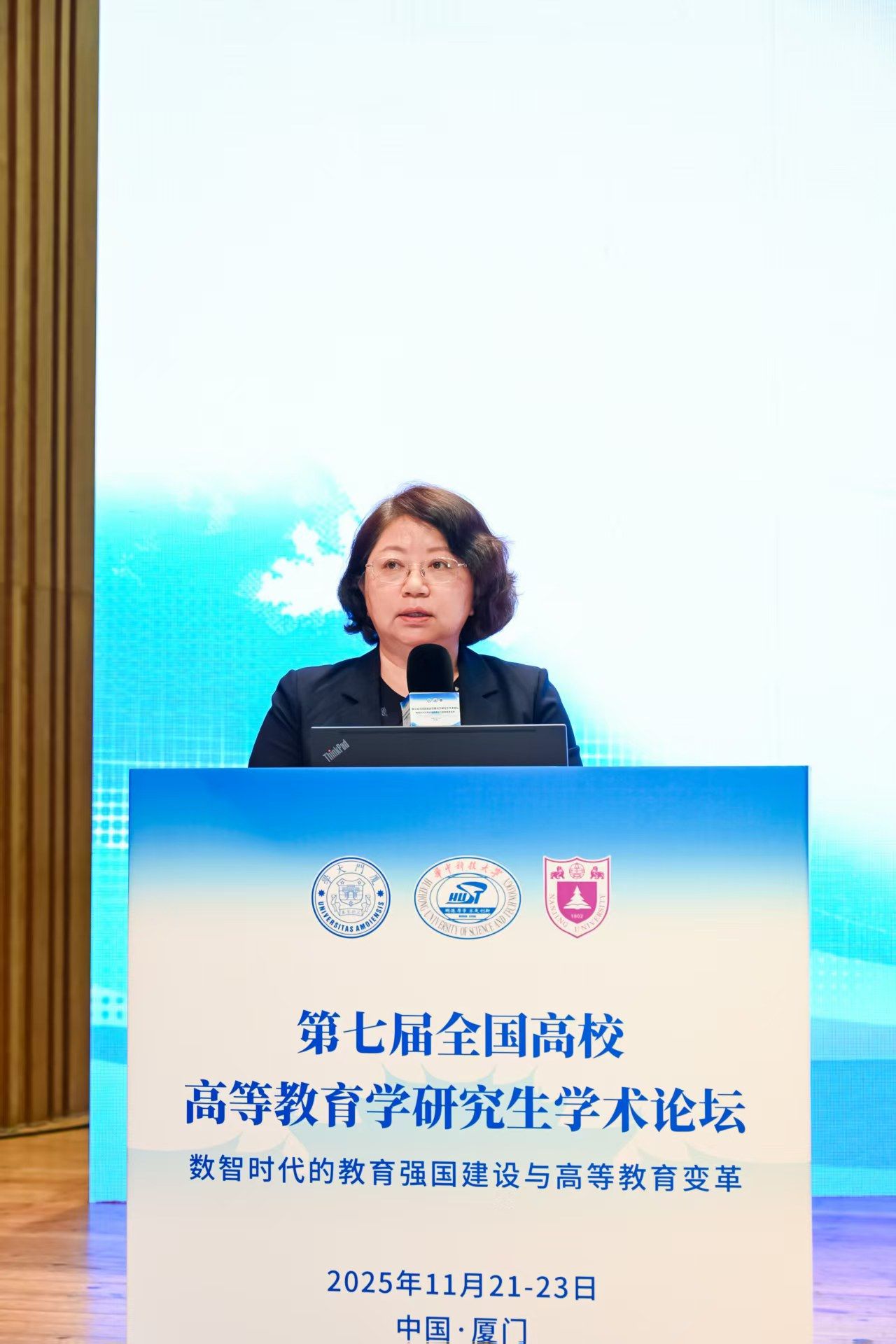
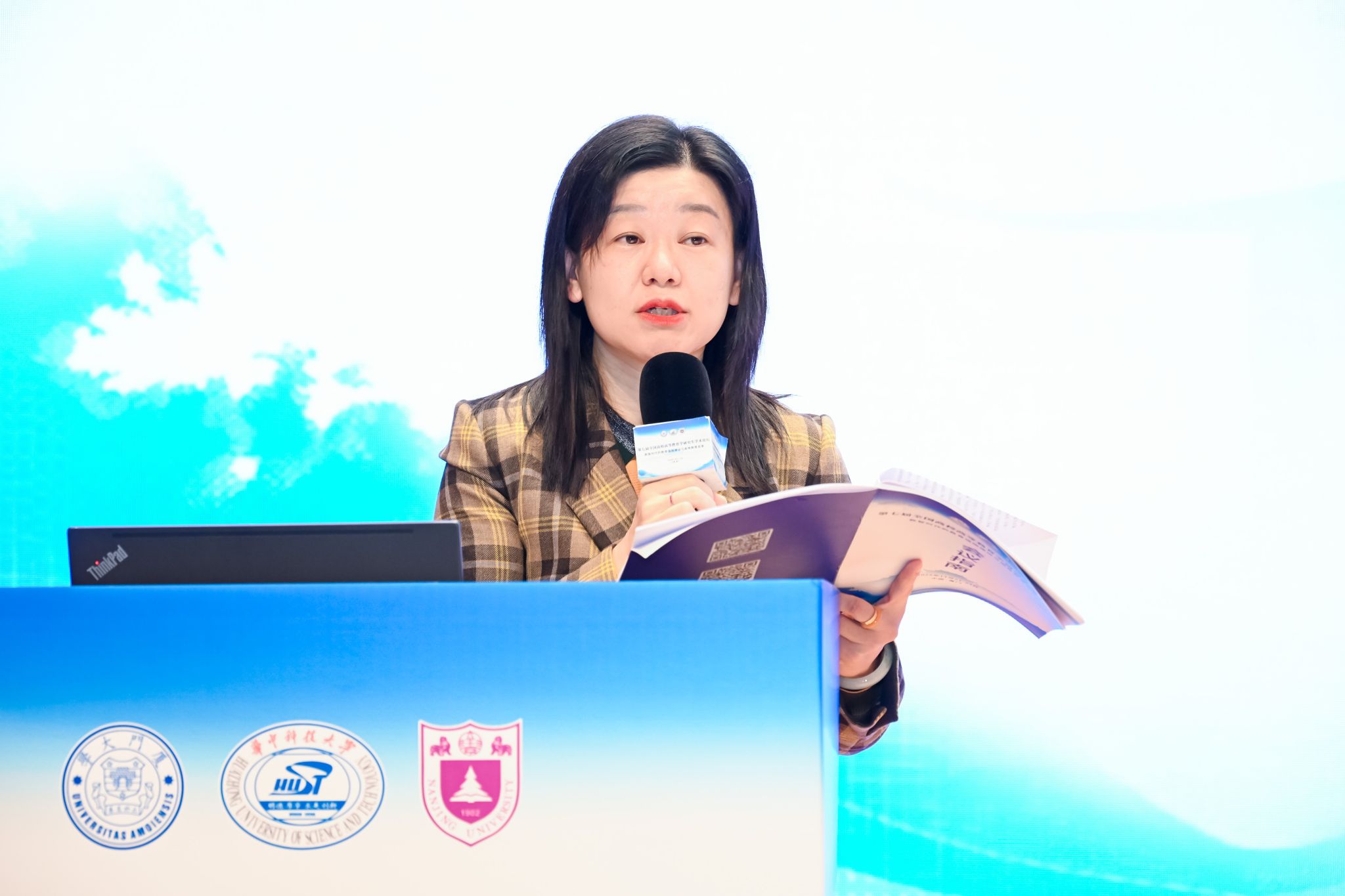
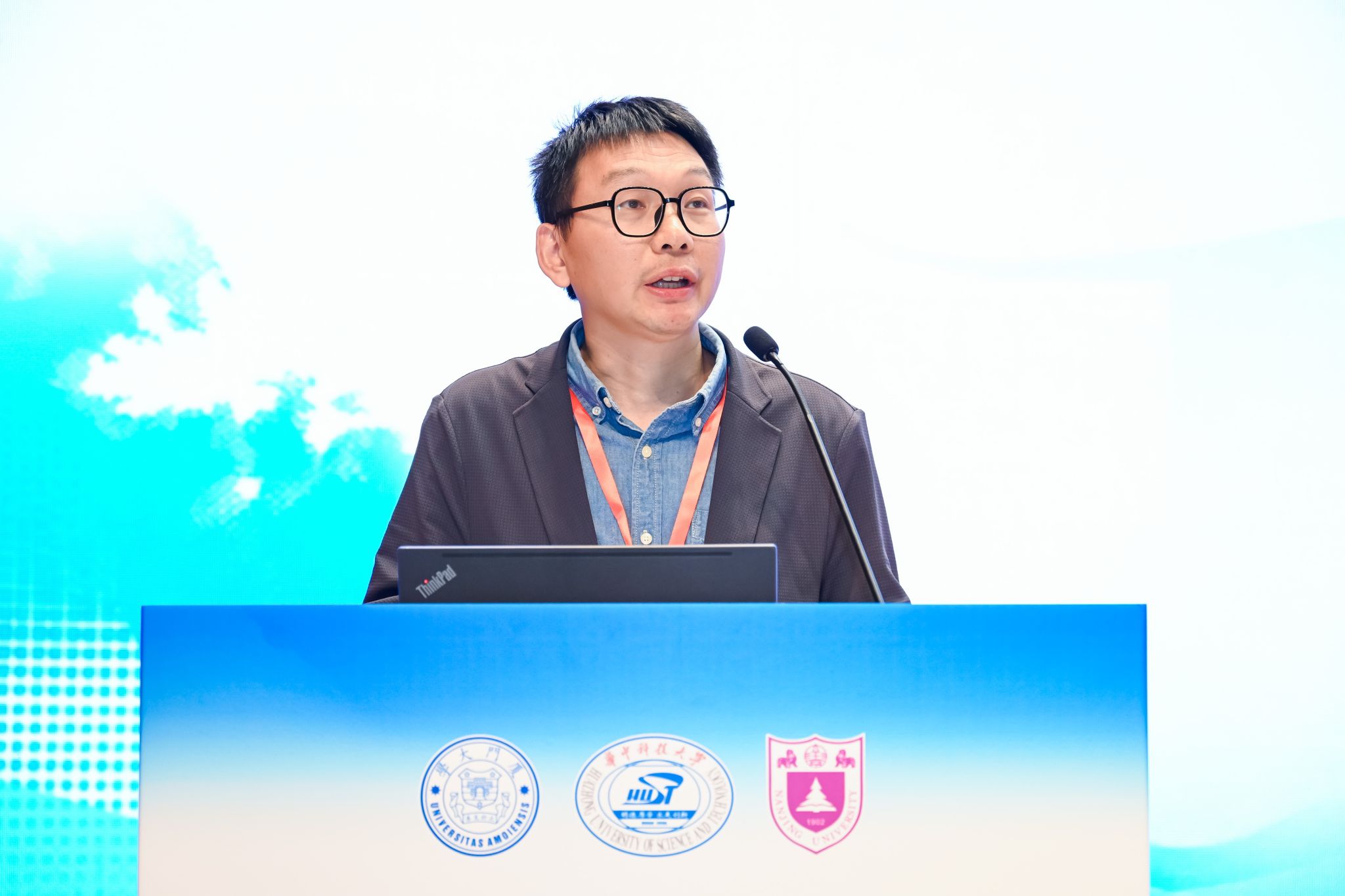
On the morning of November 23, the plenary report and keynote report sessions continued, bringing together young scholars and senior experts from universities across the country to explore cutting-edge issues in higher education. Liu Cheng from Nanjing University, He Yuanhao from Peking University, Xiong Letian from Xiamen University, Chen Songbai from Soochow University, and Zhang Luo from the School of Education, Huazhong University of Science and Technology presented their solid research results in turn. Their reports featured clear viewpoints and rigorous reasoning, fully demonstrating the academic vitality of postgraduates in higher education. Professor Zhao Tingting from Xiamen University, Professor Guo Hui from the School of Education, Huazhong University of Science and Technology, and Professor Wang Yashuang from the School of Education, Nanjing University jointly provided comments, affirming the innovative thinking of the young scholars and offering detailed suggestions on shortcomings in research frameworks and logical reasoning, paving the way for their academic growth.
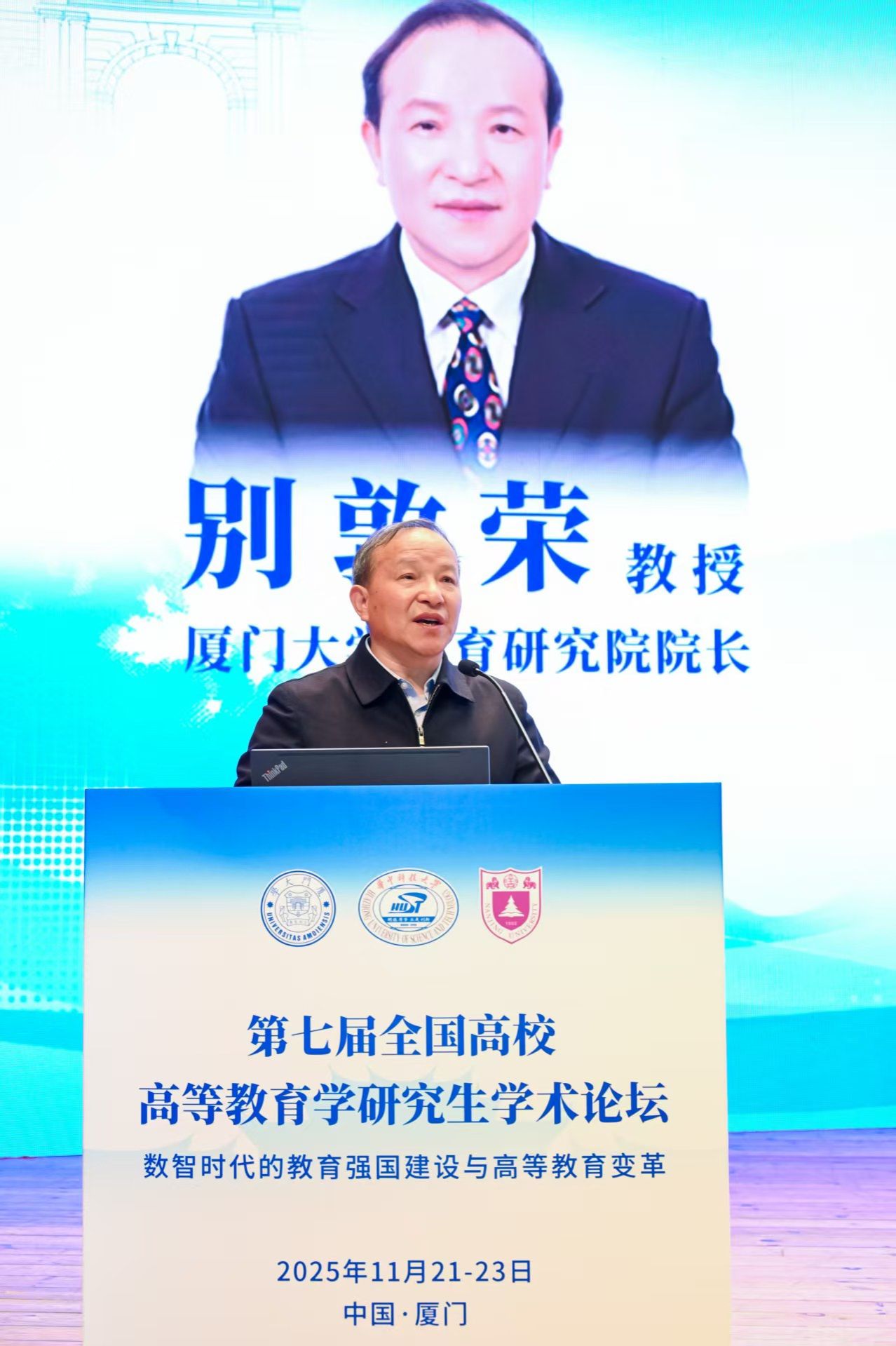
In the keynote report session, Professor Bie Dunrong delivered a speech titled "Contextual Changes and Paradigm Shifts in Higher Education Research." Drawing on his profound academic accumulation and keen professional insight, he started by clarifying basic concepts such as research discourse and research paradigms, accurately analyzed the era-specific changes in higher education research discourse, and explored the path of paradigm transformation. His speech offered an academic feast combining theoretical height and innovative enlightenment for the teachers and students.
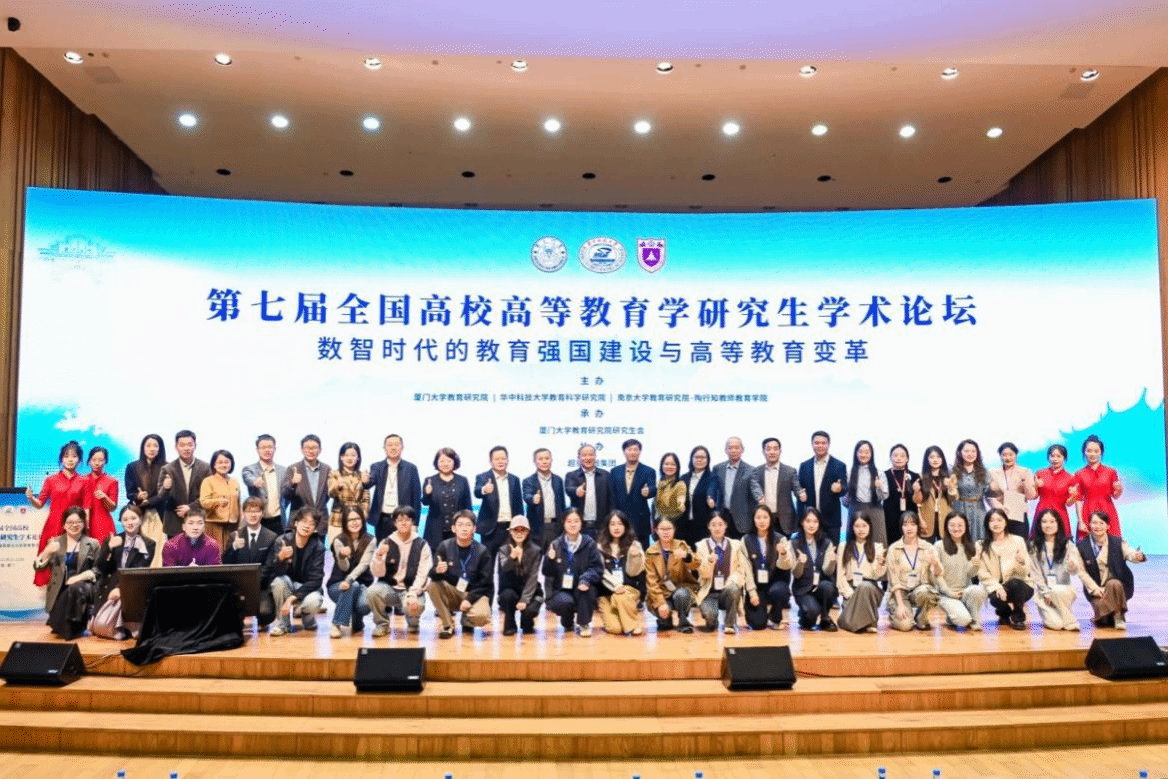
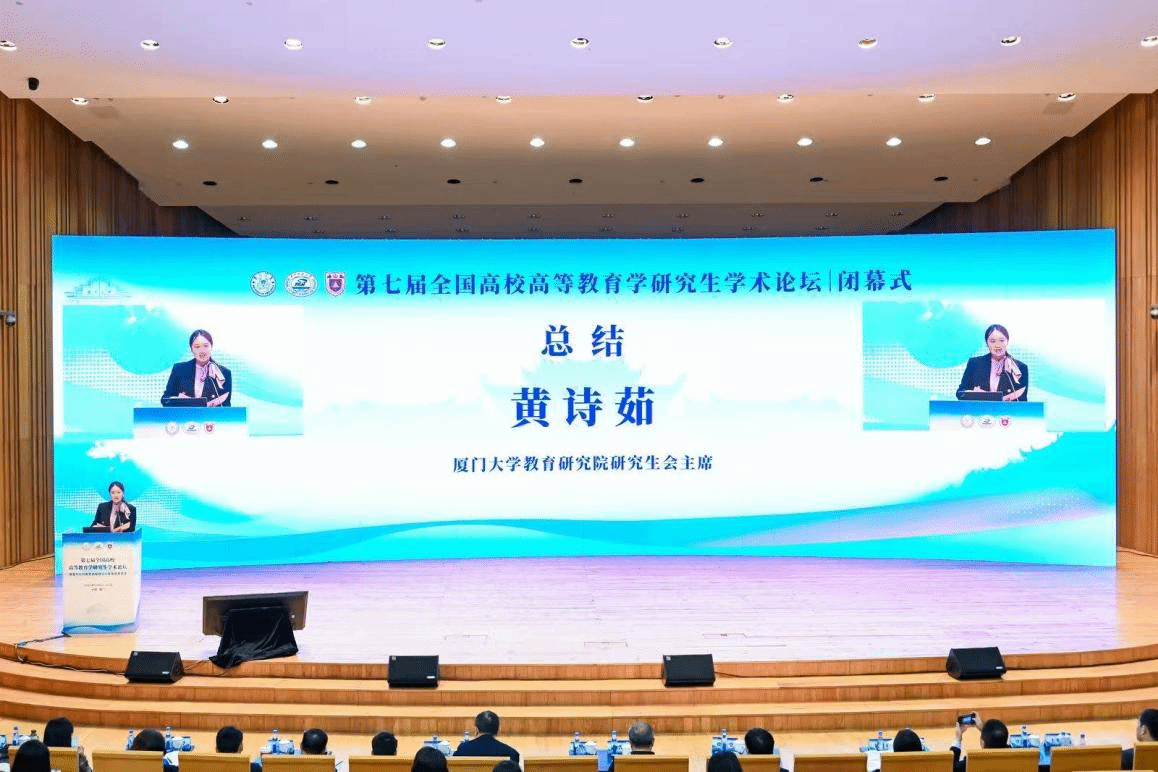
The closing ceremony was held at the Concert Hall of the Science and Art Center, hosted by Shao Jianyao, a PhD candidate from Xiamen University's Institute of Education. During the award ceremony, Professor Zhao Tingting, Professor Wang Shutao, Professor Qin Hongxia, and Deputy Party Secretary Yao Youxin from Xiamen University's Institute of Education presented awards to the winners of the Excellence Award. Professor Jia Yongtang, Director Guo Hui of the Institute of Engineering Education from the School of Education, Huazhong University of Science and Technology; Assistant Dean Wang Yashuang, Assistant Professor Liu Xiao, Deputy Director of the Institute of Educational Economics and Management from the School of Education, Nanjing University; Deputy General Manager Chen Jianhong from Fujian Chaoxing Group; and Secretary of the Party Committee Zou Jiangtao from Xiamen University's Institute of Education presented the first, second, and third prizes respectively. Dean Bie Dunrong awarded the Special Prize.
Huang Shiru, Chairman of the Graduate Student Union of Institute of Education at Xiamen University, delivered a summary speech on behalf of the organizers, reviewing the highlights, academic achievements, and organizational support of the forum. In the forum flag handover ceremony, Professor Qin Hongxia, Deputy Dean of Xiamen University's Institute of Education, handed over the forum flag to Associate Professor Zhang Qinggen, Deputy Dean of the School of Education, Huazhong University of Science and Technology, the representative of the next organizer. Professor Liu Yamin, Director of the Institute of Higher Education at the School of Education, Huazhong University of Science and Technology, extended an invitation to young scholars in higher education research nationwide, looking forward to reuniting at the foot of Yujia Mountain next year to discuss the new development of higher education.
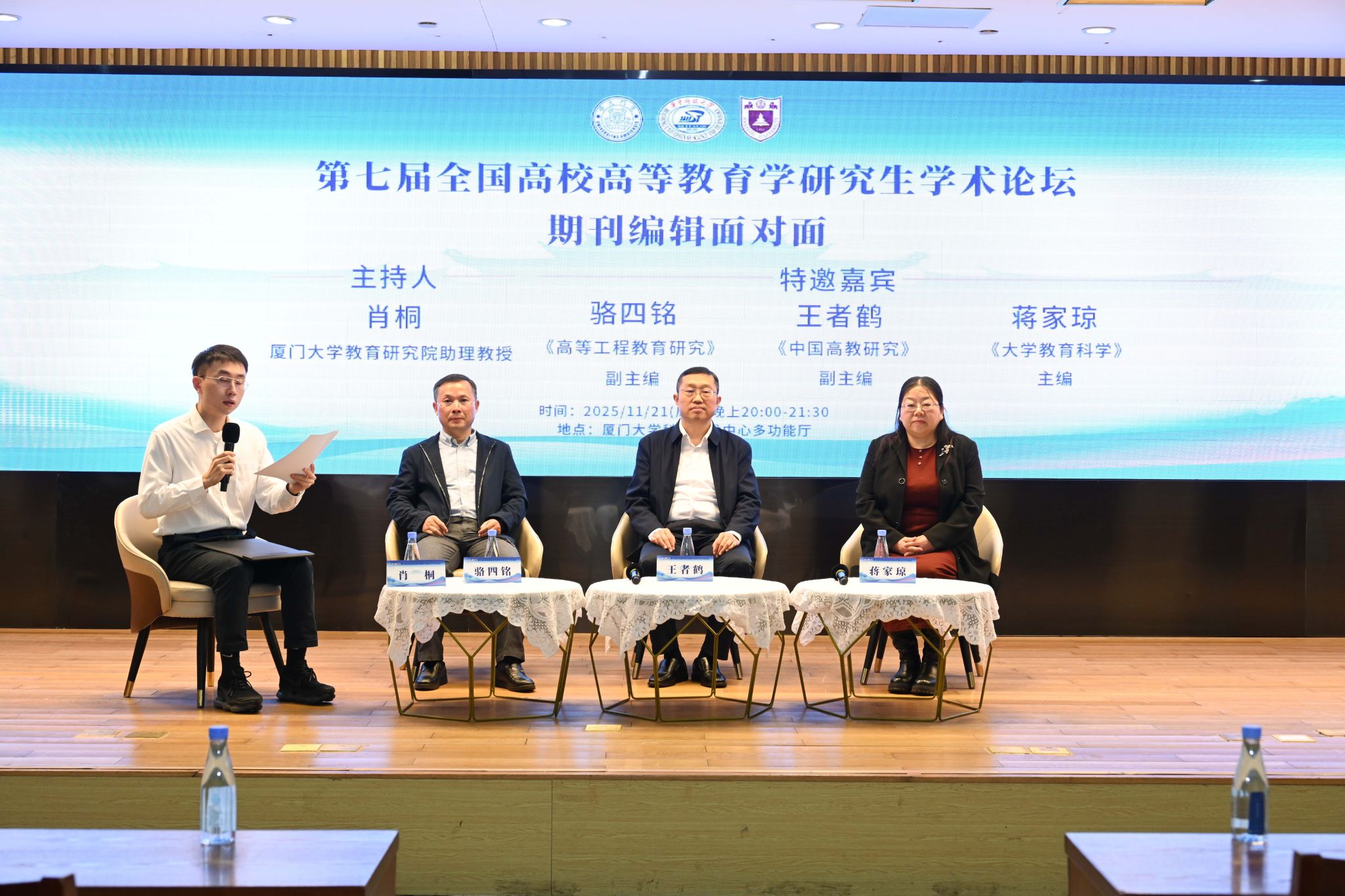
In response to the needs of participants, the "Face-to-Face with Journal Editors" roundtable was held at the Multi-Functional Hall of Xiamen University's Science and Art Center, hosted by Assistant Professor Xiao Tong from the university's Institute of Education. Three senior experts were invited to attend, including Professor Jiang Jiaqiong, Editor-in-Chief of University Education Science; Wang Zhehe, Deputy Editor-in-Chief of China Higher Education Research; and Luo Siming, Deputy Editor-in-Chief of Higher Engineering Education Research. Combining the positioning and manuscript review practices of their respective journals, the guests provided in-depth explanations on thesis topic selection, writing norms, and academic innovation. They not only elaborated on journal review standards and manuscript acceptance tendencies but also shared unique insights on hot issues such as the use of AI tools and academic integrity. In particular, they offered practical suggestions on aligning topic selection with practice, avoiding writing pitfalls, and balancing tool use with academic originality.
Through various forms such as famous scholars' reports, parallel forum discussions, and editor-author exchanges, this forum built a high-quality academic exchange platform for experts, scholars, and young students in the field of higher education. Its successful holding not only promoted the collision and integration of academic ideas but also gathered youthful forces to promote the innovative development of higher education. It is expected that the next forum will continue to inherit the academic torch and contribute more youthful wisdom and solutions to building a powerful nation in higher education.
Text and Images | Institute of Education, Xiamen University